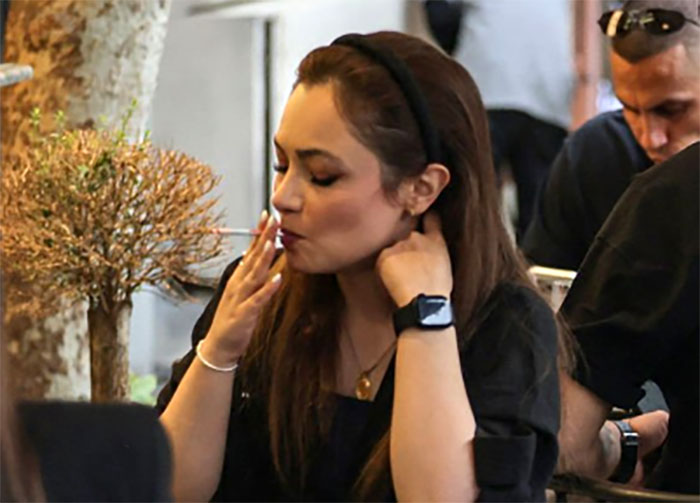
Tehran Without the Filter: Women, Street Life and Social Change
The Legal Context
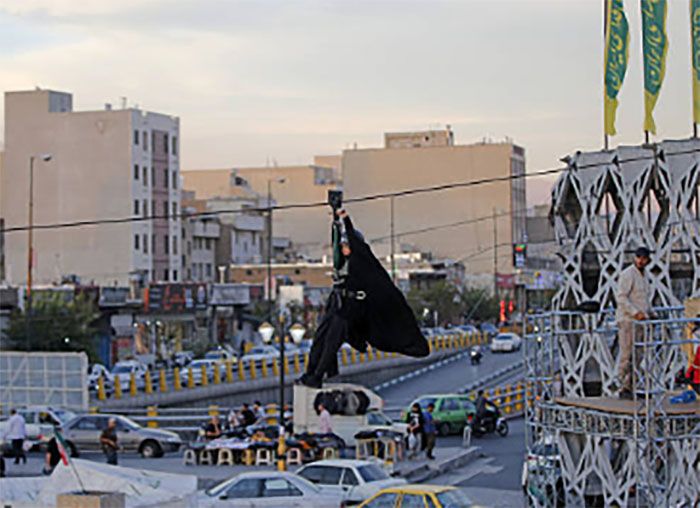
Iran’s public dress regulations have historically required women to observe hijab.
Authorities have used different mechanisms to enforce these rules, including morality-police patrols, warnings, arrests, legal proceedings and, at various times, surveillance technologies.
The level and method of enforcement have changed over time.
Following the 2022 protests, the question of how the state should respond to women appearing without hijab became a major domestic and international issue.
The government has periodically announced new enforcement measures, while many women have continued to challenge or ignore the rules.
This creates an ongoing tension between formal law and changing social behavior.
A Society in Transition
Tehran provides an especially clear example of how societies can change faster than laws.
Social attitudes can evolve gradually through millions of individual decisions.
A young woman may decide to wear her scarf differently.
Another may stop wearing it.
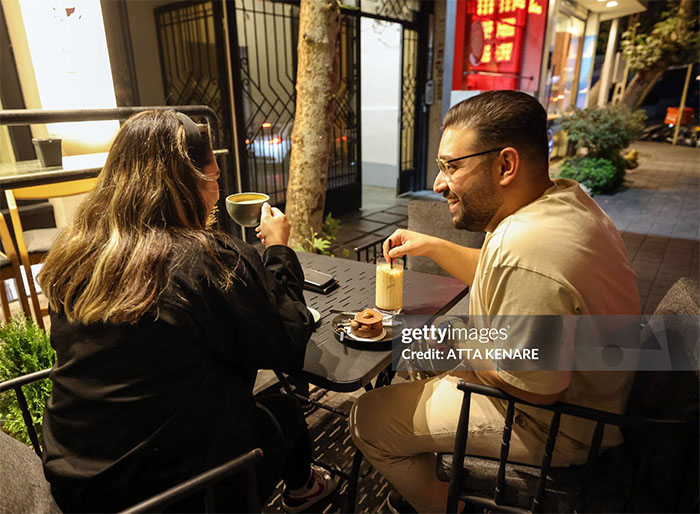
A café owner may create an environment that attracts customers with more relaxed social attitudes.
Friends may normalize behavior that previous generations considered unusual.
Over time, these individual decisions can produce visible changes across an entire city.
This does not necessarily mean that every resident shares the same values.
Instead, it demonstrates the diversity of contemporary Iranian society.
October 7, 2026 | 8:24 pm