What Does a Strange Taste in Your Mouth Mean?
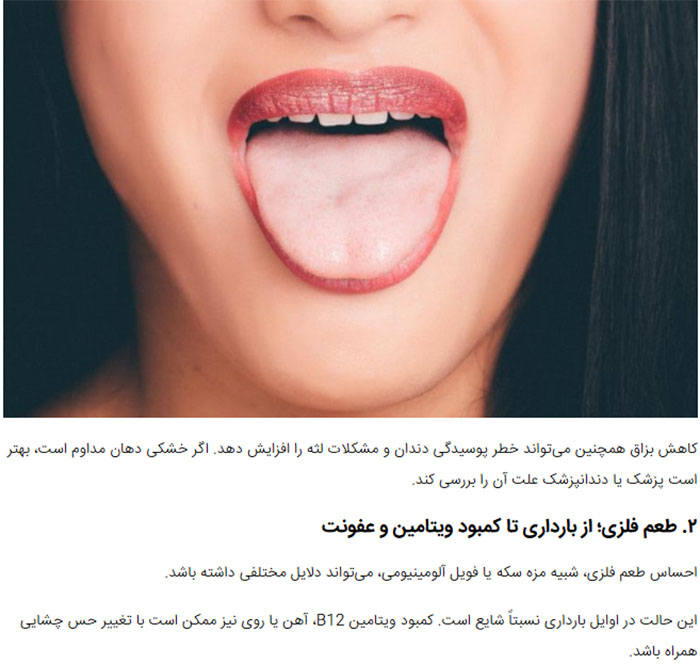
Pregnancy and Hormonal Changes
A metallic taste in the mouth can occur during early pregnancy. Some pregnant people notice that water, coffee, or familiar foods suddenly taste unusual.
Hormonal changes may influence taste and smell sensitivity, although the precise reasons vary and are not fully understood.
A metallic taste by itself does not confirm pregnancy. Other early symptoms can include a missed period, nausea, breast tenderness, and fatigue.
If pregnancy is possible, a home pregnancy test used according to its instructions can help clarify the situation.
Iron, Vitamin B12, and Zinc Deficiencies
Nutritional deficiencies can sometimes contribute to taste disturbances, particularly when they affect the health of the mouth, tongue, or nervous system.
Iron deficiency may be associated with fatigue, weakness, pale skin, shortness of breath during activity, or changes in the tongue. Vitamin B12 deficiency can cause fatigue, mouth soreness, tongue inflammation, and neurological symptoms such as tingling or numbness.
Zinc is important for normal taste and smell function, and inadequate zinc status may contribute to taste changes in some people.
However, a metallic taste alone is not enough to determine whether someone has a vitamin or mineral deficiency.
A clinician may consider a blood count, iron studies, vitamin B12 testing, or other investigations depending on the person’s symptoms, diet, medical history, and risk factors.
Taking high doses of supplements without confirming a deficiency is not advisable. Excessive iron or zinc can be harmful, and supplements can interact with medicines.
Mouth, Sinus, and Respiratory Infections
Infections affecting the mouth, nose, sinuses, throat, or respiratory tract can change taste perception.
October 22, 2026 | 10:08 pm