Tajrish Bazaar Struggles: Slow Economic Growth Amid Iran–Israel War
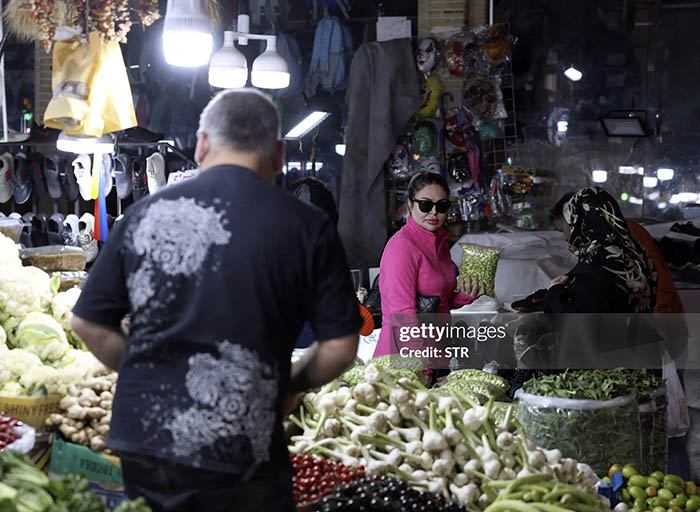
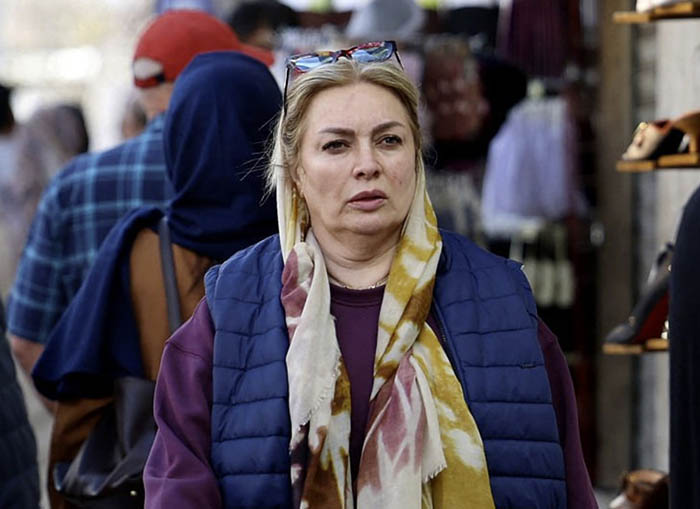
Introduction The bustling lanes of Tajrish Bazaar, one of the most iconic marketplaces in Tehran, are no longer what they … Continue reading ➝
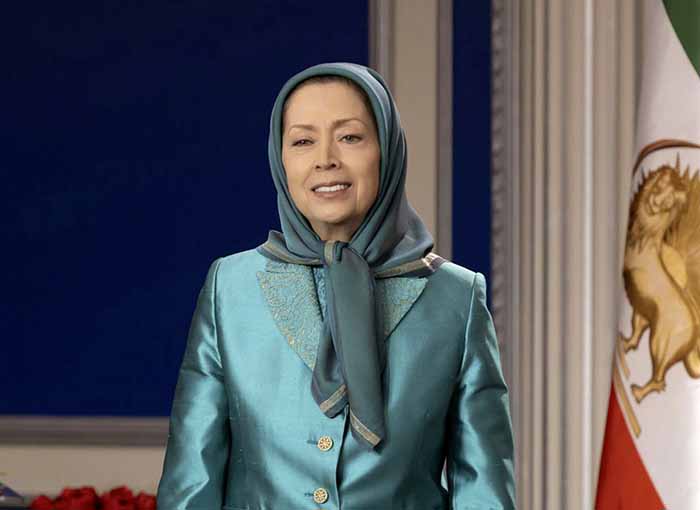
Introduction Maryam Rajavi remains one of the most debated figures in modern Iranian politics. As the President-elect of the National … Continue reading ➝
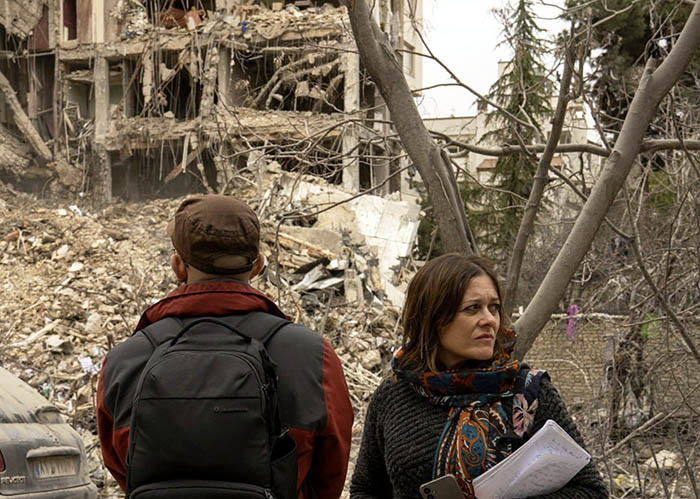
Introduction The Enderzgu district of Tehran, Iran’s bustling capital, has recently become the epicenter of a devastating military attack that … Continue reading ➝
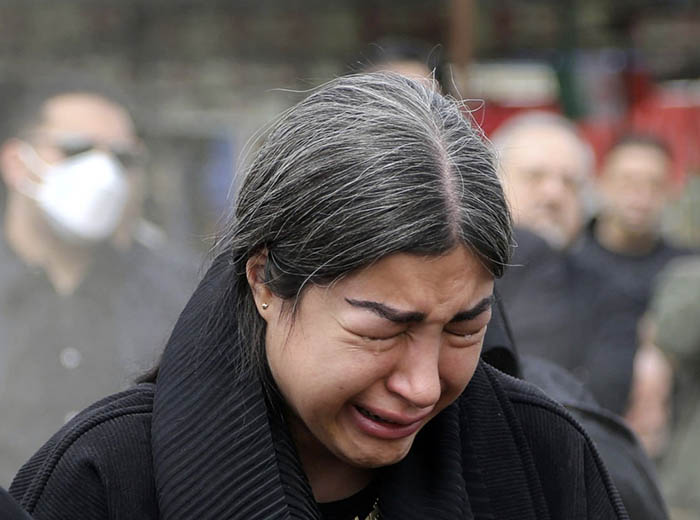
Introduction Thousands of people gathered in Tehran to attend a funeral ceremony for forces affiliated with the Islamic Republic regime, … Continue reading ➝
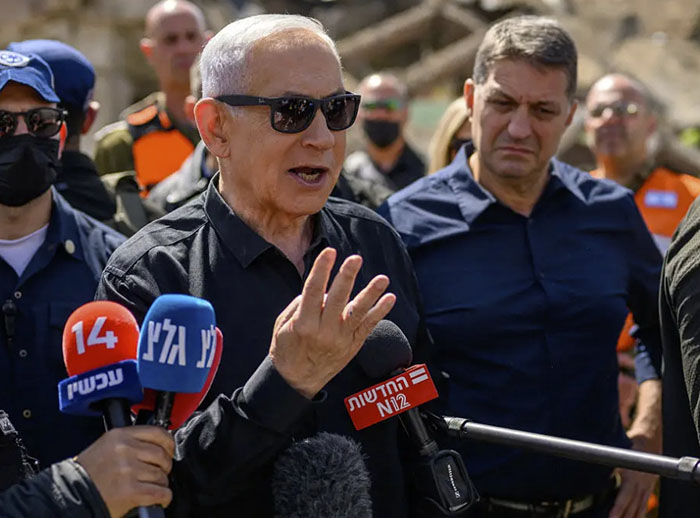
Introduction The conflict between Israel and Iran has entered a dangerous new phase, as waves of missiles and drones continue … Continue reading ➝