Prominent Women Leaders Meet with Supreme Leader: Zhila Sadeghi
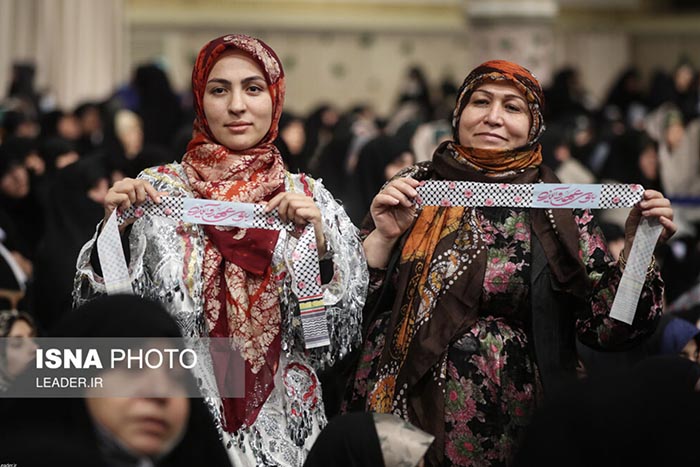
The Role of Women and Girls in Iranian Society and Politics
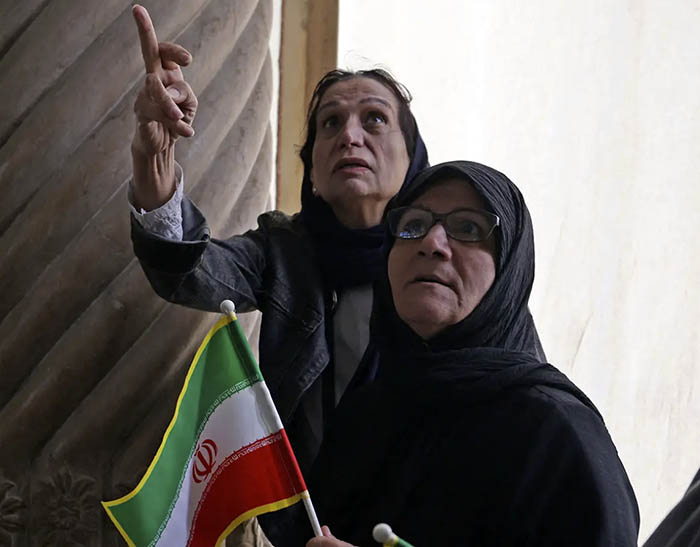
Women in Iran are active across sectors despite restrictions. They are scientists, engineers, entrepreneurs, artists, and politicians. For example, women have served in parliament, held ministerial positions, and led social movements advocating for reform.
Young girls and students are particularly active in advocating for their rights. Universities have become hotbeds of activism, with students organizing campaigns for gender equality, academic freedom, and social justice. The “Girl of Enghelab Street” protests in recent years exemplify how young women challenge societal restrictions and demand change.
However, societal expectations rooted in tradition and religion often constrain women’s full participation. Cultural norms still prioritize women’s roles as caregivers and homemakers, and some segments of society resist rapid change. The government’s approach oscillates between reformist rhetoric and conservative resistance, creating a dynamic environment where progress is often met with setbacks.
The recent meeting with the Supreme Leader signals a possible shift in societal attitudes—an acknowledgment that women’s leadership is vital for Iran’s social cohesion and future stability. It also highlights the importance of giving women a platform to voice their aspirations directly to the highest authority.
Domestic and International Media Reports
Iranian state media portrayed the event as a historic step toward greater inclusion of women in national life, emphasizing themes of unity and progress within Islamic values. International outlets recognized it as a sign of gradual social change, with some commentators expressing cautious optimism about future reforms.
Some critics, however, questioned whether the event would lead to substantive policy changes or remain symbolic. They pointed out the persistent legal and social barriers faced by women in Iran, emphasizing the need for concrete reforms beyond high-profile meetings.
Reactions from Iranian Women, Activists, and Political Analysts
Many women and activists viewed the event as a breakthrough—a sign that the leadership is beginning to acknowledge the importance of women’s contributions. Some expressed hope that this could pave the way for legal reforms and greater societal inclusion.
Others remained skeptical, warning that without sustained pressure and policy change, such meetings risk being superficial gestures. Nonetheless, they welcomed the visibility and dialogue as crucial steps forward.
Social Media Discourse and Public Opinion
On social media platforms, hashtags celebrating women’s empowerment trended nationally and internationally. Women shared their aspirations, stories, and calls for ongoing activism.
Conservative voices criticized the event, framing it as a deviation from Islamic principles, while progressive factions celebrated it as a historic milestone. The diverse reactions reflect Iran’s complex social fabric and the ongoing debate about gender roles and societal progress.