Prominent Women Leaders Meet with Supreme Leader: Zhila Sadeghi
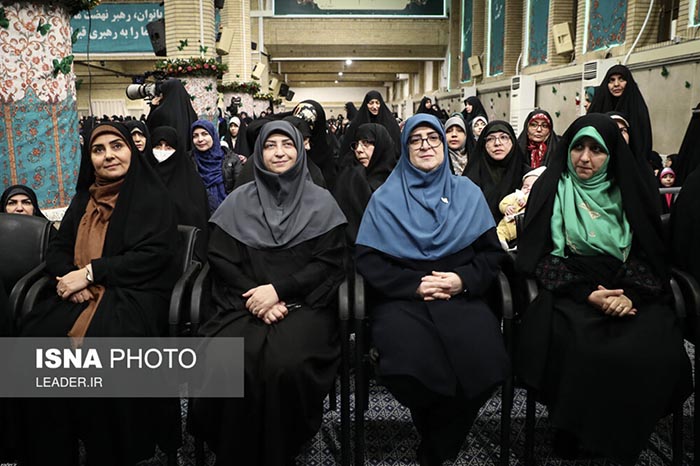
The Significance of Husseiniyeh Khomeini as a Political and Religious Center
Husseiniyeh Khomeini, located in Tehran, is more than just a religious site; it symbolizes the political authority of the Islamic Republic. Named after Ayatollah Khomeini, the founder of the Islamic Revolution, it has hosted major religious gatherings, political speeches, and national events.
Hosting a meeting of women leaders at Husseiniyeh Khomeini marks a symbolic convergence of religious authority and social progress. It signifies that the leadership recognizes women as essential contributors to Iran’s future, positioning their empowerment within the framework of Islamic values.
This act of convening women at such a revered site demonstrates a strategic approach: it underscores the importance of religious legitimacy in fostering social change. It also subtly challenges the stereotype that Islam and gender equality are incompatible, suggesting instead that progress and faith can coexist.
Furthermore, the venue’s historical significance amplifies the message: it is a space where major national decisions and ideological debates have taken place, now becoming a platform for women’s voices and leadership.
The Symbolism of Women Meeting with Khamenei
This meeting symbolizes a potential paradigm shift in Iran’s societal norms. It signifies that women’s leadership is increasingly recognized as integral to national development, and that religious and political authorities are willing to engage in dialogue about gender equality within an Islamic framework.
This symbolism can inspire other sectors—education, business, and civil society—to push for greater inclusion and representation. It also challenges the narrative that women’s roles are confined to traditional spheres.
Changes in Societal Attitudes Toward Women Leaders
The event contributes to changing perceptions, gradually shifting societal attitudes from viewing women as secondary to recognizing them as vital contributors. It fosters a cultural environment where women’s leadership is seen not as a threat but as an essential element of societal resilience.
Over time, such shifts can lead to increased acceptance of women in leadership positions, shaping policies that promote gender equality and social justice.
The Future Landscape of Women’s Political and Social Participation in Iran
While challenges remain—legal restrictions, societal stereotypes, and conservative opposition—the event energizes the movement for gender equality. It encourages women to pursue leadership roles and advocate for their rights.
The future landscape may include increased representation of women in government, greater access to education and employment, and a more inclusive societal discourse that values diversity and gender equity.
December 3, 2025 | 4:46 pm