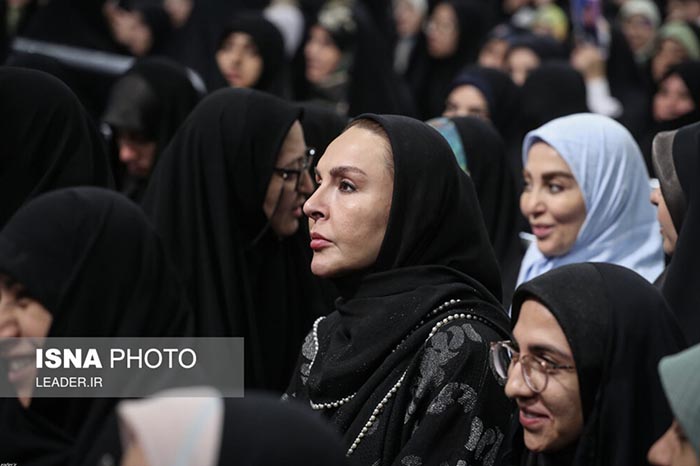
Prominent Women Leaders Meet with Supreme Leader: Zhila Sadeghi
Historical Perspective on Women’s Roles in Iran
Iranian women’s history is rich and complex, spanning thousands of years of cultural, religious, and political evolution. From the ancient Persian empires to the Islamic era, women have held prominent roles—whether as queens, scholars, poets, or activists. For centuries, figures like Queen Mandana, and more recently, revolutionary women such as Banu Hashemi, have exemplified leadership and resilience.
In the 20th century, Iran experienced significant shifts, especially with modernization efforts under Reza Shah Pahlavi and later Mohammad Reza Shah. Women gained suffrage in 1963, and the Pahlavi era saw women entering universities and the workforce in increasing numbers. However, the 1979 Islamic Revolution dramatically altered the societal landscape, imposing strict Islamic laws that curtailed many freedoms previously enjoyed by women.
Post-revolutionary policies mandated the wearing of the hijab, limited women’s participation in certain professions, and restricted political engagement. Despite these restrictions, Iranian women have persisted in their efforts to improve their societal status. Women’s participation in the Iran-Iraq war, for example, showcased their resilience and patriotism, often serving as nurses, fighters, and supporters.
In recent decades, Iranian women have made significant strides in arts, science, and social activism. They have founded NGOs, spearheaded campaigns for women’s rights, and gained visibility in media and academia. Yet, they continue to face legal and societal barriers, including discriminatory laws that limit their rights in marriage, custody, and employment.
Quotes from Zhila Sadeghi, Ms. Baziq, Azita Tarkashvand
Zhila Sadeghi: “This meeting is a turning point. Women’s voices must be heard at every level of society, and I am hopeful that this is just the beginning of meaningful change.”
Ms. Baziq: “Art has always been a reflection of society. Today, I see a new chapter where women’s stories are recognized and celebrated within the cultural fabric of Iran.”
Azita Tarkashvand: “Women’s empowerment is not just a dream; it’s a necessity for Iran’s progress. We need more opportunities and support to lead and inspire future generations.”
Stories of Women from Different Regions Inspired by the Meeting
Fatima from Kermanshah shared her journey of establishing a women’s cooperative, emphasizing how the event motivated her to continue advocating for economic independence. Sara from Shiraz spoke about her activism in promoting girls’ education, inspired by the recognition of women’s leadership at the highest levels.
Testimonials from Activists and Scholars
Dr. Leila Akhavan, a prominent gender studies scholar, remarked: “This event signifies a cultural shift—a recognition that gender equality aligns with Islamic principles and national development goals.”
Activist Mahsa Rahimi stated: “It’s a reminder that change begins with dialogue and representation. Women’s voices are vital for Iran’s future.”
December 3, 2025 | 4:46 pm