State Event: Kneel Before Iranians – A Symbol of National Unity and Heritage in Tehran
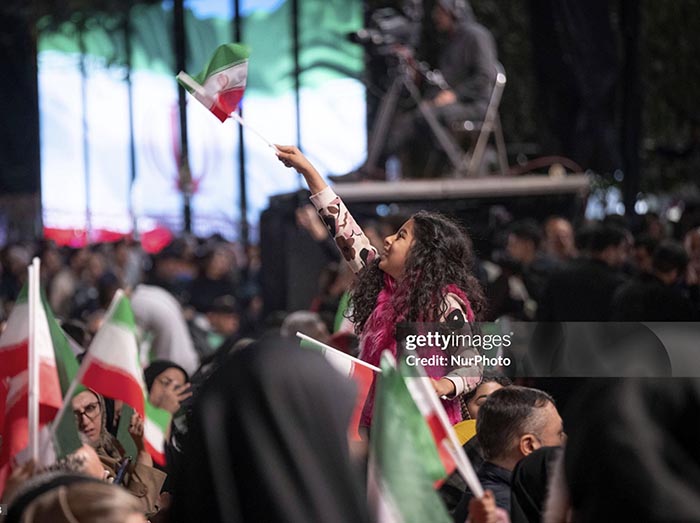
The Power of Heritage in Modern Iran
The November 2025 state event in Tehran exemplifies Iran’s strategic use of its rich historical and cultural heritage to shape contemporary national identity and regional influence. By unveiling sculptures of legendary figures like Valerian and Shapur I, Iran reconnects with its ancient past, asserting resilience and sovereignty amid ongoing regional conflicts.
This event underscores a broader narrative: Iran’s strength is rooted in its civilization’s enduring legacy. As Iran navigates complex international relations, internal politics, and regional challenges, cultural symbolism remains a vital tool to unify the nation and project power outward.
November 9, 2025 | 10:14 pmMore stories

Coffee Under Fire: The Resilience of Café Culture in Tehran During Wartime
Introduction Tehran has always been a city of paradoxes—restless yet restrained, modern yet steeped in history. In times of war, … Continue reading ➝
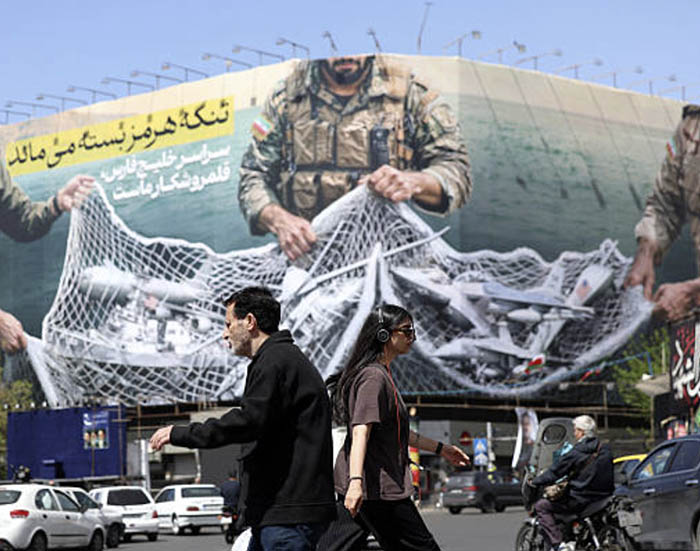
Strait of Hormuz Crisis 2026: Propaganda Posters in Enghelab Square
Introduction In the heart of Tehran, specifically at Enghelab Square, a massive propaganda banner has emerged as one of the … Continue reading ➝
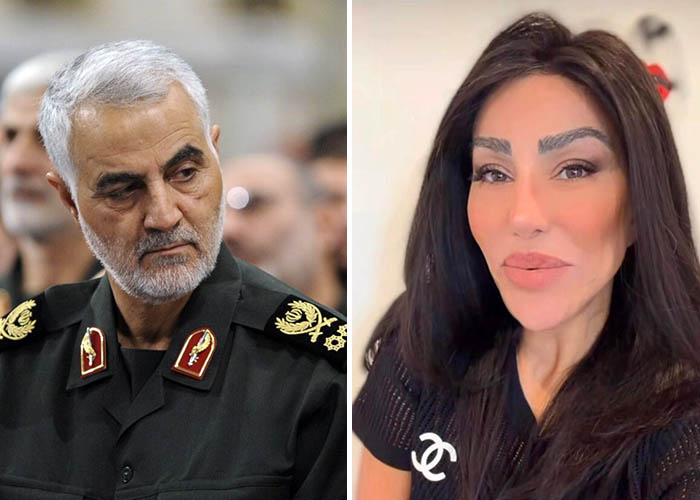
US State Department Arrests Relative of Qassem Soleimani: Immigration Crackdown, National Security Concerns
Introduction The recent announcement by the United States Department of State regarding the arrest and revocation of permanent residency for … Continue reading ➝
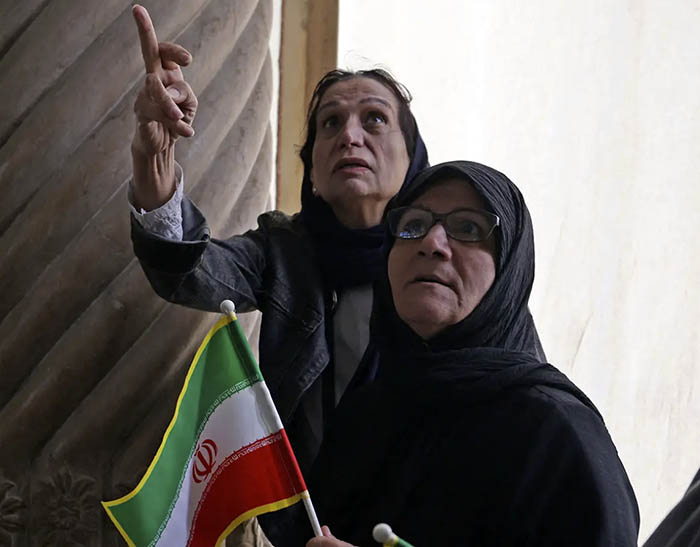
Damage to Golestan Palace Amid Iran–Israel–US Conflict: Cultural Heritage at Risk
Introduction The unfolding Iran–Israel–US conflict in 2026 has not only intensified geopolitical tensions in the Middle East but has also … Continue reading ➝
U.S.-Israeli Military Operations: Full Analysis of the 2026 Middle East Conflict
Introduction The escalating conflict involving United States, Israel, and Iran has rapidly evolved into one of the most dangerous geopolitical … Continue reading ➝