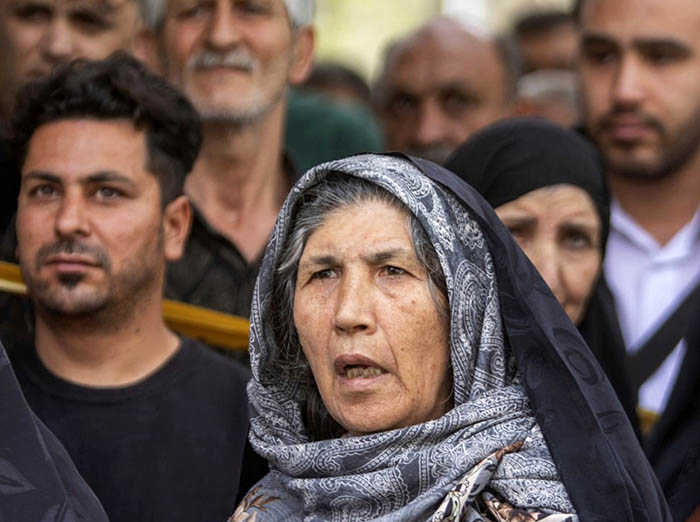
Snowy Day in Tehran: Two Weeks After Anti-Government Protests – The Silent Struggle Under Repression
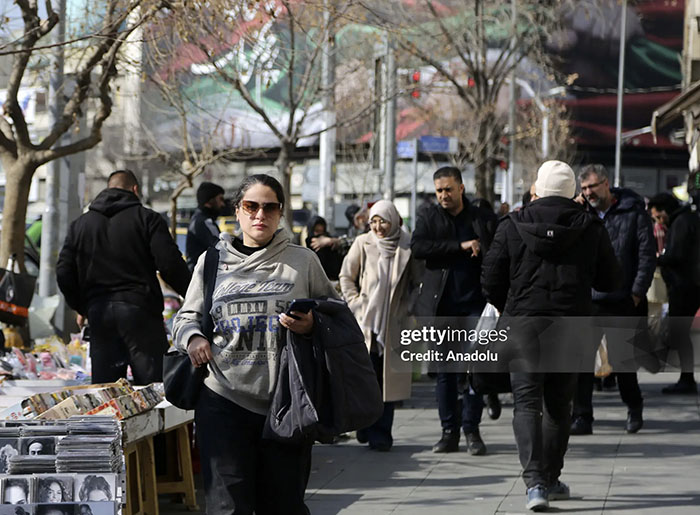
1. The Context of Iran’s Recent Protests: Economic Hardship and Political Repression
Iran has faced decades of political turmoil, economic sanctions, and social unrest. The recent protests, which erupted two weeks ago, are a continuation of a pattern of civil disobedience driven by deep-seated grievances.
Economic Crisis:
- Inflation and unemployment have soared, leaving millions struggling to meet basic needs.
- Sanctions imposed by the U.S. and international community have crippled Iran’s economy, leading to shortages of food, medicine, and fuel.
- The rising cost of living has sparked anger among the working class, youth, and the middle class.
Political Repression:
- The government’s crackdown on dissent has intensified, with security forces deploying live ammunition, tear gas, and mass arrests.
- Activists, journalists, and protesters face imprisonment, torture, and in some cases, execution.
- Internet shutdowns and censorship prevent the flow of information and suppress organization.
The Spark:
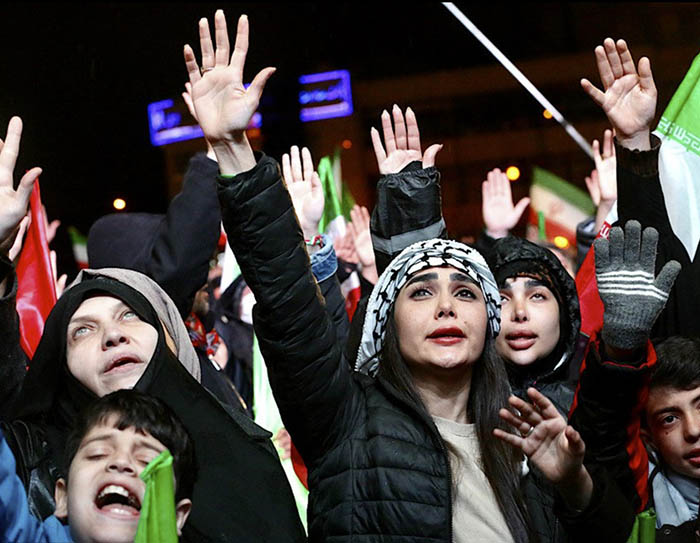
- The protests were initially sparked by economic grievances but quickly evolved into demands for political reform and an end to repression.
- Youth and women played a prominent role, echoing similar movements across the Middle East.