Silicon Valley Engineers Charged with Stealing Trade Secrets and Passing Confidential Information to Iran: An In-Depth Analysis
Introduction
In a groundbreaking development that has sent shockwaves through the technology industry and international security circles, three Silicon Valley engineers have been indicted for conspiracy to steal trade secrets from major tech giants like Google, attempted theft of sensitive information, and passing confidential data to Iran. The case highlights the growing concerns about cyber-espionage, industrial theft, and the geopolitical tensions surrounding Iran’s nuclear ambitions and regional influence.
This article provides an in-depth analysis of the case, covering the background of the defendants, the legal proceedings, the geopolitical context, and the broader implications for cybersecurity, international trade, and national security. We will explore how the allegations connect to Iran’s strategic interests, the role of the Iranian diaspora, and the impact on global technology policies.
Background of the Accused and Key Figures
Who Are Samaneh and Sarwar Ghandali?
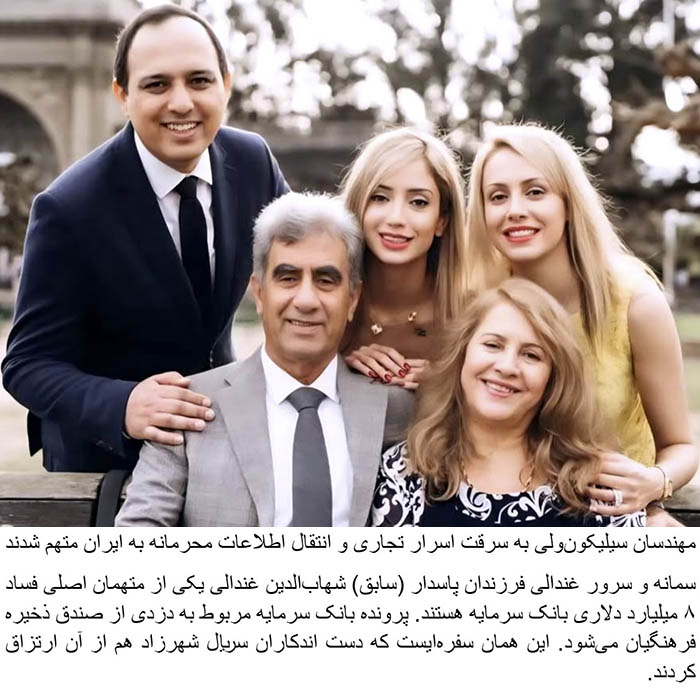
Samaneh Ghandali (41) and Sarwar Ghandali (32) are siblings with deep roots in Iran’s political and military elite. They are children of Shahabeddin Ghandali, a former Revolutionary Guard officer with alleged ties to Iran’s intelligence apparatus. Their familial background has fueled speculation about their possible connections to Iran’s intelligence and military networks.
The Sarmeh Bank Corruption Case
Samaneh and Sarwar Ghandali are among the main defendants in the $8 billion Sarmeh Bank corruption scandal. This case involves the embezzlement and theft from the Farhangian Reserve Fund, a financial institution linked with Iran’s Ministry of Education and cultural organizations. The scandal has exposed systemic corruption within Iran’s financial and political elite, with allegations that the Ghandali family played a central role.
The scandal is also linked to the infamous Shahrzad series, a cultural project allegedly financed through illicit means, which has been a focal point of corruption investigations. This broader context reveals how illicit financial flows and cultural manipulation intersect with political power in Iran.