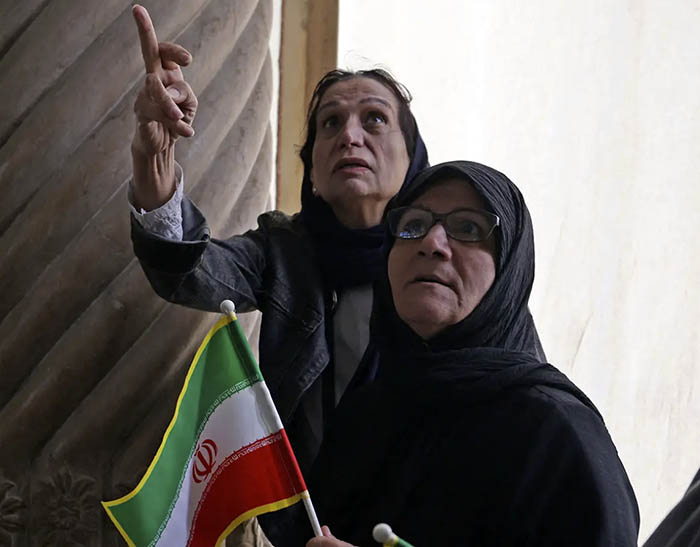
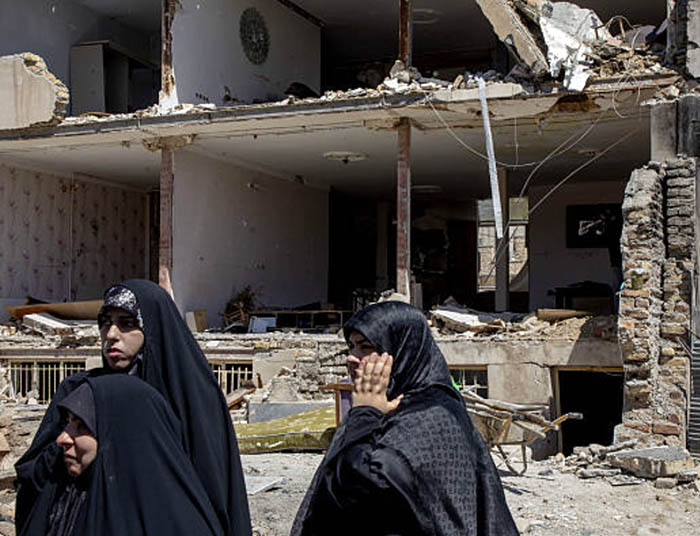
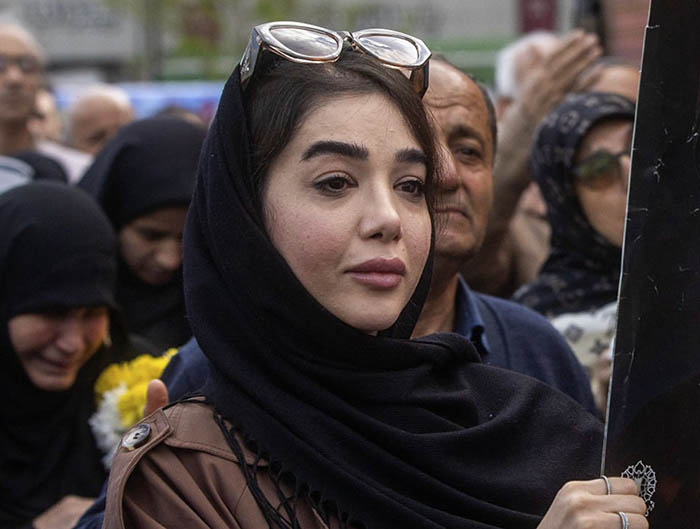
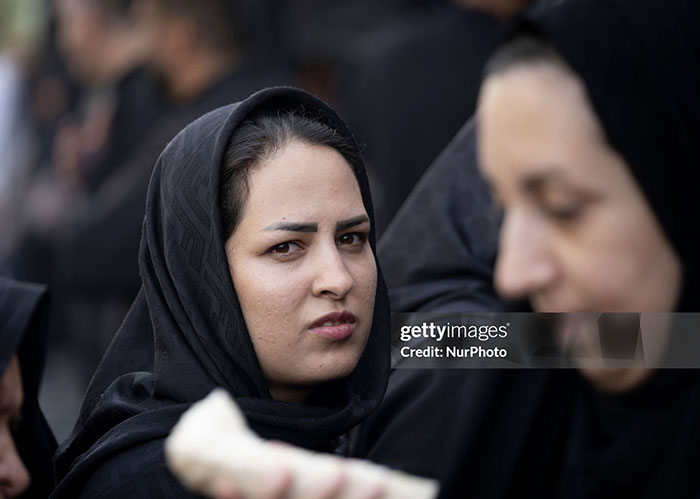
Shi’ite Muslims in Commemorate Arbaeen with Religious Ceremonies Amid Ceasefire
III. The Political and Geopolitical Context
The Iran-Israel Conflict and Ceasefire
The 12-day conflict between Iran and Israel was triggered by escalating tensions over regional influence, military strikes, and ideological confrontations. While the precise details remain complex, regional analysts suggest that Iran’s strategic response was multifaceted, involving military, diplomatic, and religious elements.
The ceasefire agreement led to a temporary de-escalation, providing a window for Iran to focus on internal unity and religious reaffirmation. The timing of Arbaeen, with its themes of sacrifice and resistance, reinforced Iran’s message of resilience amid adversity.
Religious Rituals as Political Statements
In Iran, religious ceremonies are not merely spiritual acts—they are also powerful expressions of political identity and resistance. The mourning processions, especially during Arbaeen, serve as a reminder of Imam Hussain’s stand against tyranny, echoing contemporary struggles against oppression.
The participation of government officials in religious events underscores the intertwining of faith and state ideology. Public ceremonies reinforce national identity, unity, and defiance against external threats.
Regional and International Implications
Iran’s display of religious devotion during a time of regional tension sends a message of resilience to both domestic and international audiences. It also influences regional alliances, as Iran seeks to bolster Shi’ite communities across the Middle East, particularly in Iraq, Lebanon, and Syria, where similar commemorations are held.
August 14, 2025 | 3:32 pm