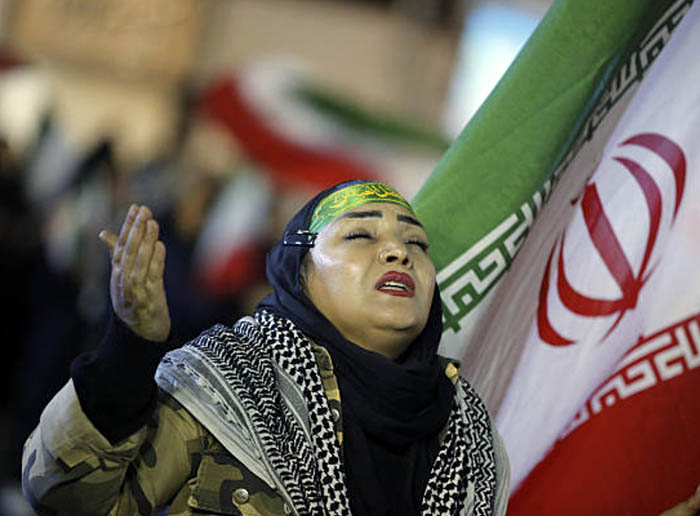
Shi’ite Muslims in Commemorate Arbaeen with Religious Ceremonies Amid Ceasefire

I. The Historical and Religious Significance of Arbaeen
What Is Arbaeen?
Arbaeen, meaning “forty” in Arabic, marks the 40th day after Ashura — the day that commemorates the martyrdom of Imam Hussain ibn Ali at the Battle of Karbala in 680 AD. The event is considered the largest annual pilgrimage in the world, with millions of Shi’ite Muslims undertaking journeys to Karbala, Iraq, to pay homage to Imam Hussain and his companions.
This period represents a time of mourning, reflection, and reaffirmation of principles such as justice, resistance against oppression, and unwavering faith.
Historical Origins
The Battle of Karbala was a defining moment in Islamic history. Imam Hussain, the grandson of Prophet Muhammad, stood against the oppressive Umayyad Caliph Yazid I, refusing to pledge allegiance to tyranny. His martyrdom became a symbol of standing up for righteousness, even at the cost of life.
Over centuries, the commemoration of his martyrdom evolved into a vibrant religious tradition. Arbaeen emerged as a powerful symbol of resistance, spiritual resilience, and the fight for justice. It also became a unifying event for Shi’ite communities worldwide, transcending national boundaries.
Rituals and Cultural Practices
Key rituals associated with Arbaeen include:
- Processions and marches: Pilgrims march from various locations towards Karbala, often covering hundreds of kilometers on foot.
- Mourning rituals: Recitations of elegies (latmiyah), lamentations, and storytelling about Imam Hussain’s sacrifice.
- Self-flagellation: Some participants perform ritual acts of mourning, such as beating their chests or self-flagellation with chains, as an expression of grief.
- Distribution of water and food: Acts of charity and community support.
- Public gatherings: Speeches by religious scholars and community leaders emphasizing themes of justice, sacrifice, and resistance.