Seyyed Mohammad Khatami Visits Dr. Hassan Habibi Museum: A Reflection on Reform and Legacy

The Role of Civic Engagement in Iran
As we reflect on Seyyed Mohammad Khatami’s contributions to Iranian society, it becomes evident that his legacy is not just a historical narrative; it is an ongoing journey that underscores the importance of civic engagement. In post-revolutionary Iran, the concept of civic engagement has evolved significantly. Khatami’s presidency played a vital role in redefining what it means to be an active citizen in a complex political landscape.
Civic engagement encompasses a range of activities, including volunteering, activism, and participation in local governance. Khatami championed these initiatives, believing that a vibrant civil society is essential for genuine democracy. His presidency encouraged citizens to take an active role in shaping their communities, leading to the emergence of various NGOs and grassroots movements focused on social justice, women’s rights, and environmental issues.
The Emergence of New Political Movements
In recent years, Iran has witnessed a resurgence of political activism, driven predominantly by young people disillusioned with the status quo. Khatami’s influence persists as these movements draw on his ideas of reform and dialogue. Activists today often invoke his teachings in their demands for political and social change.
The 2019 protests over economic pressure and governmental policies highlighted the unresolved issues that Khatami had warned about during his tenure. Protesters called for greater freedoms, transparency, and accountability—echoing Khatami’s original reformist agenda. Although state-sanctioned crackdowns often met these protests, the very existence of such movements signifies that Khatami’s vision of an engaged citizenry has not been lost.
Moreover, the proliferation of social media platforms provides an unprecedented opportunity for activists to organize and share their messages. Young Iranians demonstrate their creativity and resilience by utilizing digital tools to bypass censorship and disseminate information. This modern form of activism resonates with Khatami’s emphasis on freedom of expression and cultural dialogue, forging a path toward a participatory democracy.
February 4, 2025 | 10:54 pmMore stories
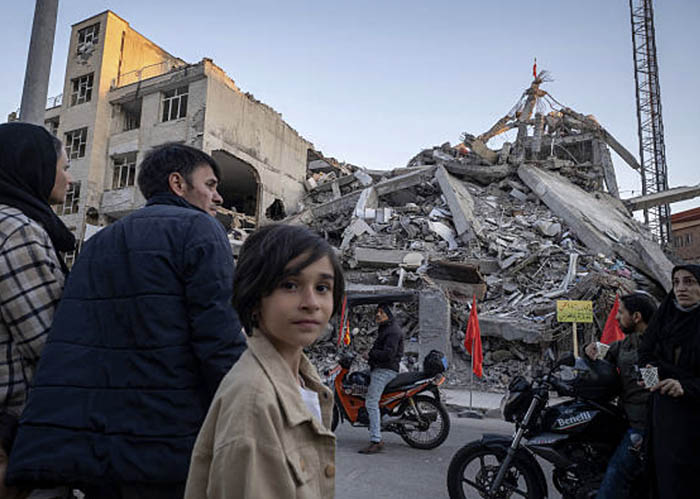
The Islamic Republic’s Instrumental Misuse of War Ruins: Propaganda
Introduction In the aftermath of the March 9 military strikes attributed to joint U.S.-Israeli operations, parts of residential Tehran were … Continue reading ➝
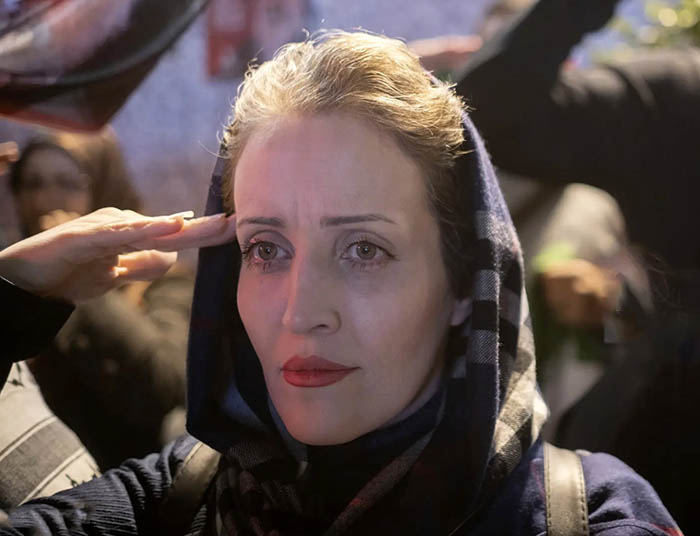
Iran Funeral Ceremony 2026: Rising Tensions After Killing of IRGC Intelligence Chief Majid Khademi
Introduction The funeral ceremony of Majid Khademi, the head of the Islamic Revolutionary Guard Corps (IRGC) Intelligence Organization, has become … Continue reading ➝
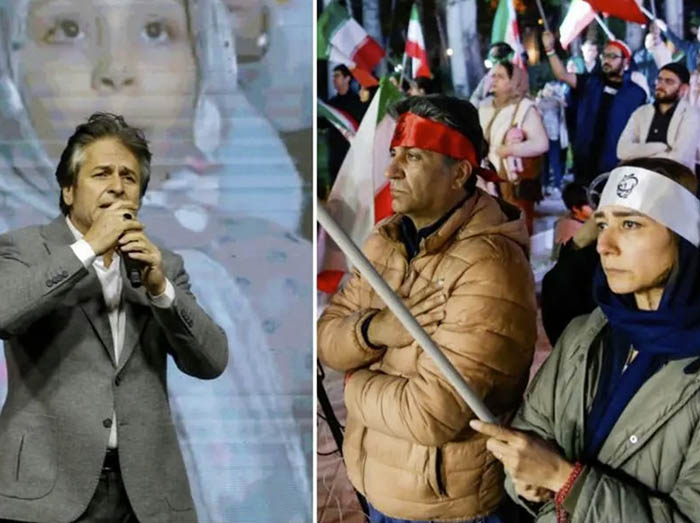
Tajik and Zanko Street Concert in Ferdows Garden: A Powerful Musical Tribute
Introduction On the evening of Tuesday, 18 Farvardin 1405, Ferdows Garden became the heart of an unforgettable cultural moment in … Continue reading ➝
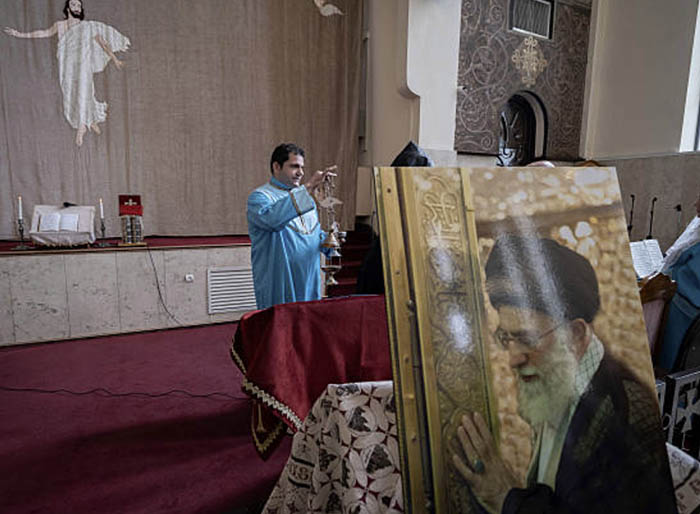
Prayer Ceremony for Late Supreme Leader Ali Khamenei, The bloodthirsty dictator Amid Ceasefire Tensions
Introduction The death of Ali Khamenei on April 8, 2026, has sent shockwaves across Iran and the wider Middle East, … Continue reading ➝
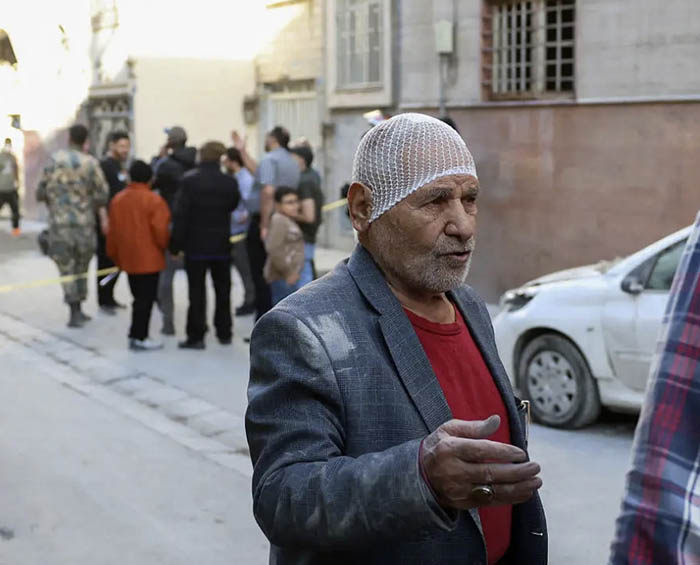
Israeli-American Strikes in Tehran 2026: Synagogue Destroyed Amid Escalating War
Introduction The ongoing conflict between Iran, Israel, and the United States has reached a devastating new chapter. On April 7, … Continue reading ➝