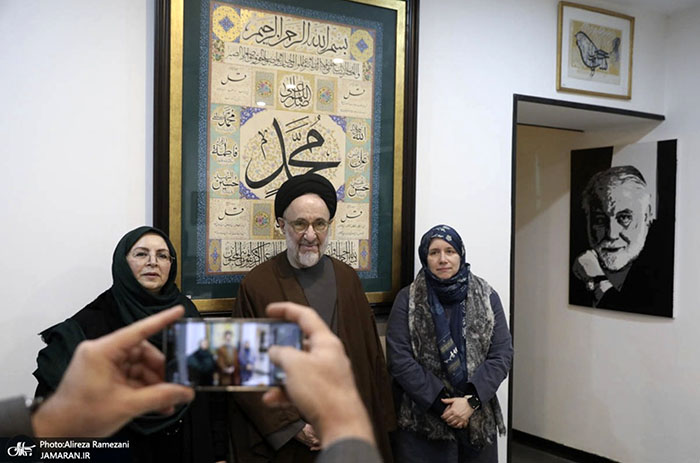
Seyyed Mohammad Khatami Visits Dr. Hassan Habibi Museum: A Reflection on Reform and Legacy
The Legacy of Cultural Renaissance
One of the most palpable aspects of Khatami’s presidency was the cultural renaissance that emerged during his time in office. Khatami advocated for cultural freedoms, leading to a flourishing of artistic expression in Iran. Writers, filmmakers, and artists found new opportunities to explore themes of identity, history, and social issues, often using subtle allegory and symbolism to critique prevailing norms.
This period saw the rise of influential filmmakers, such as Abbas Kiarostami and Mohsen Makhmalbaf, whose works gained international acclaim. They not only showcased the richness of Iranian culture but also addressed universal themes that resonated globally. Khatami’s administration encouraged such artistic endeavors, understanding their role in fostering dialogue, understanding, and ultimately, reform.
Even today, the echoes of that cultural movement are felt. New generations of artists continue to challenge societal boundaries and express themselves through various mediums, using their craft as a form of resistance against censorship and oppression. As these young creatives draw inspiration from the past, they also seek to express their contemporary realities, bridging historical contexts with modern challenges. This dynamic interplay between tradition and modernity reflects Khatami’s vision for a society that values cultural dialogue.
The Impact of Khatami on Women’s Rights
Khatami’s presidency also marked a significant moment in the discourse surrounding women’s rights in Iran. He acknowledged the pivotal role women play in the social fabric of society and advocated for policies that aimed to enhance their position. Under Khatami, women’s participation in various sectors, particularly education and employment, improved, setting a precedent for future generations.
Despite this progress, the struggles for women’s rights remain ongoing. Contemporary Iranian women, influenced by Khatami’s vision, have increasingly challenged legal and social constraints imposed upon them. Movements advocating for gender equality and women’s rights have gained momentum, pushing against traditional barriers and demanding change.
Activists today often cite Khatami’s principles, emphasizing that empowering women is essential for achieving broader societal reform. The fight for women’s rights is now intertwined with the larger struggle for democracy and human rights, echoing Khatami’s understanding that progress in one area is interconnected with progress in others.
More stories
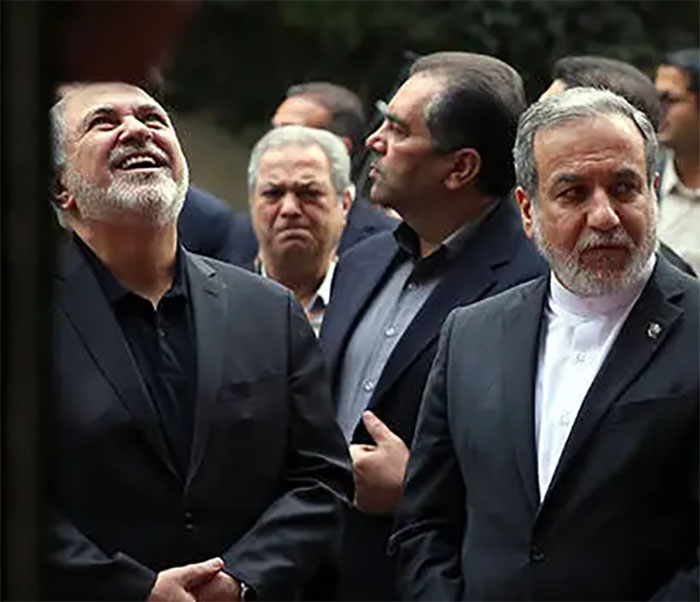
Mohammad Javad Zarif and Abbas Araghchi Attend Ceremony Honoring Kamal Kharrazi in Tehran
Introduction A commemorative ceremony honoring Seyyed Kamal Kharrazi was held in Tehran, bringing together several prominent figures associated with Iran’s … Continue reading ➝
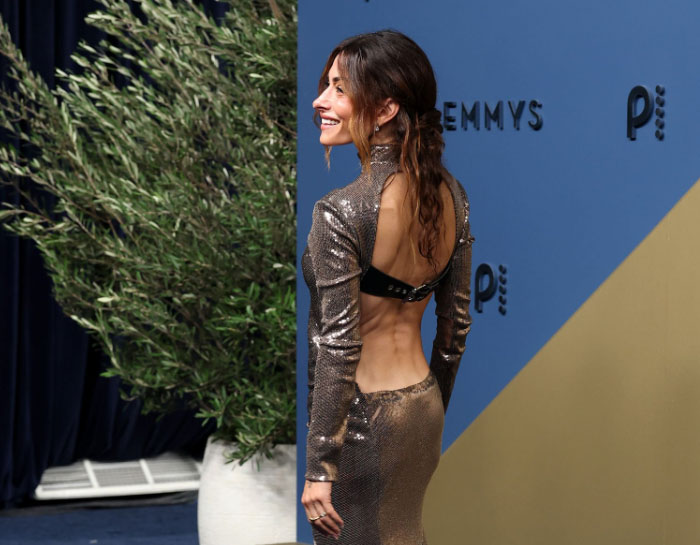
Sarah Shahi at the 2026 Emmy Awards: Red Carpet Appearance, Fashion Details and Shoe Close-Up
Introduction Sarah Shahi was among the celebrities photographed at the 78th Primetime Emmy Awards on September 14, 2026, in Los … Continue reading ➝
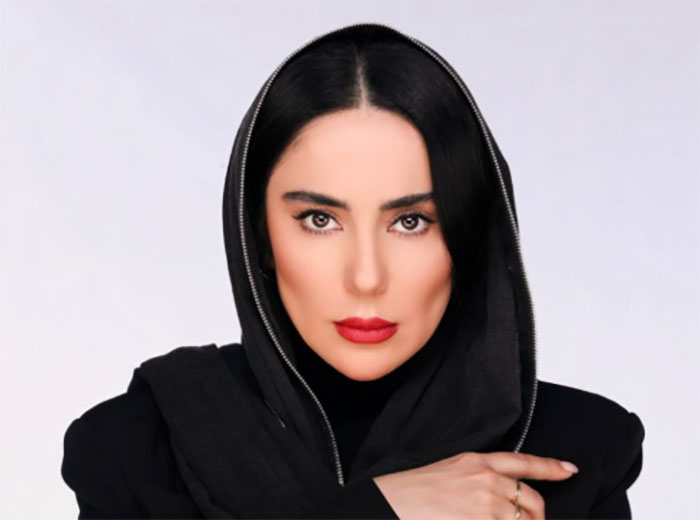
Sheida Yousefi: TV Shows, Noon Kh, Savushun and Personal Life
Introduction Sheida Yousefi is an Iranian actress known for her performances in television dramas, Iranian cinema and home video network … Continue reading ➝
Amir Taghi Brings Heritage and Asiatic Cheetah Inspiration to Vogue’s 2026 Sustainable Fashion Challenge
a Introduction Iranian-American fashion designer Amir Taghi has brought Iranian cultural heritage into the international fashion conversation through a striking … Continue reading ➝
Sirus Ebrahimzadeh Funeral: Details of the Farewell Ceremony in Tehran After His Remains Returned from the United States
a Introduction A farewell ceremony honoring Iranian actor Sirus Ebrahimzadeh was held on the morning of Wednesday, October 21, 2026, … Continue reading ➝