Saeed Mortazavi: The Controversial Former Judge and Prosecutor of Tehran
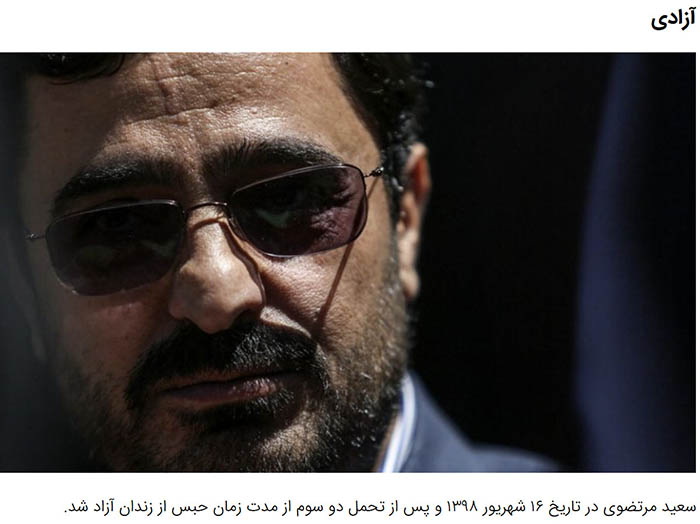
The Legacy of Saeed Mortazavi
Saeed Mortazavi’s legacy is one of profound complexities; he is a figure viewed by many as a symbol of the challenges confronting the Iranian judiciary. His career encapsulates the intersection of law, politics, and human rights, reflecting broader trends that resonate beyond Iran’s borders.
Impact on Freedom of the Press
Mortazavi’s actions against journalists during his tenure have left a lasting scar on press freedom in Iran. His role in the wave of media closures and the imprisonment of prominent journalists highlights the extent to which state mechanisms can be employed to stifle dissenting voices. Over the years, many activists and organizations have criticized the Iranian government for its heavy-handed approach to media regulation, often citing Mortazavi’s tenure as a particularly egregious period for press freedom.
The implications are significant; a free press is integral to democratic societies, and Mortazavi’s reputation has fueled skepticism not just domestically but also internationally regarding Iran’s commitment to upholding human rights. The chilling effect of his policies continues to resonate with emerging journalists and civil society members who strive to operate within the confines of a repressive regime.
Perceptions within Iranian Society
Saeed Mortazavi is a divisive figure within Iranian society. While some may view him as a guardian of law and order, many others regard him as a symbol of tyranny and oppression. His judicial decisions have had far-reaching implications for civil rights and political dissent, breeding both fear and resentment among the populace.
This polarization becomes particularly evident in conversations surrounding key issues such as the treatment of political prisoners and the judicial processes employed by authorities to silence dissent. Advocacy groups continue to push for accountability and reform in the Iranian judiciary, using Mortazavi’s controversial legacy as a rallying point.
February 8, 2025 | 3:28 amMore stories
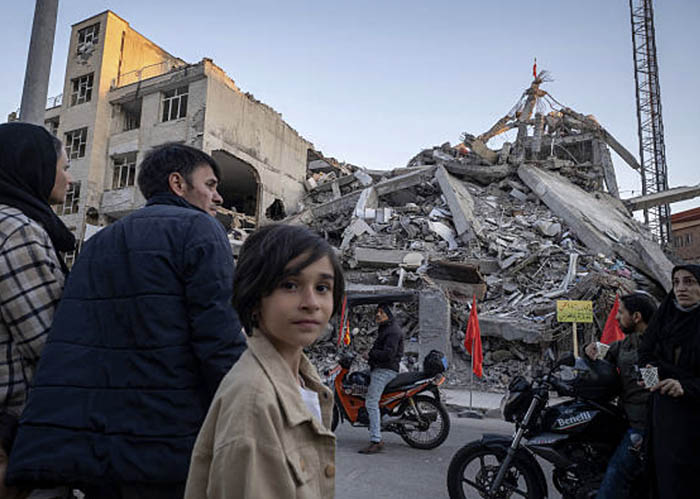
The Islamic Republic’s Instrumental Misuse of War Ruins: Propaganda
Introduction In the aftermath of the March 9 military strikes attributed to joint U.S.-Israeli operations, parts of residential Tehran were … Continue reading ➝
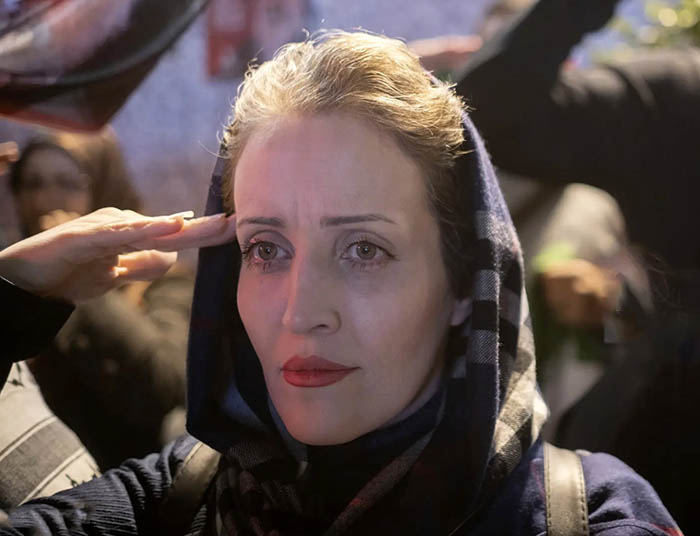
Iran Funeral Ceremony 2026: Rising Tensions After Killing of IRGC Intelligence Chief Majid Khademi
Introduction The funeral ceremony of Majid Khademi, the head of the Islamic Revolutionary Guard Corps (IRGC) Intelligence Organization, has become … Continue reading ➝
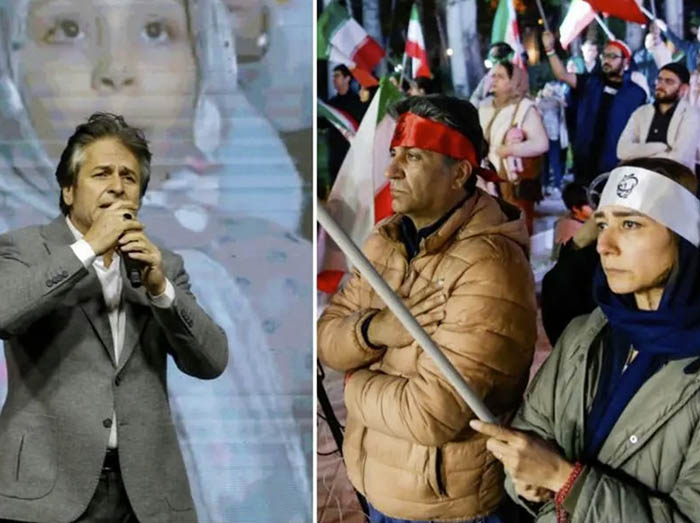
Tajik and Zanko Street Concert in Ferdows Garden: A Powerful Musical Tribute
Introduction On the evening of Tuesday, 18 Farvardin 1405, Ferdows Garden became the heart of an unforgettable cultural moment in … Continue reading ➝
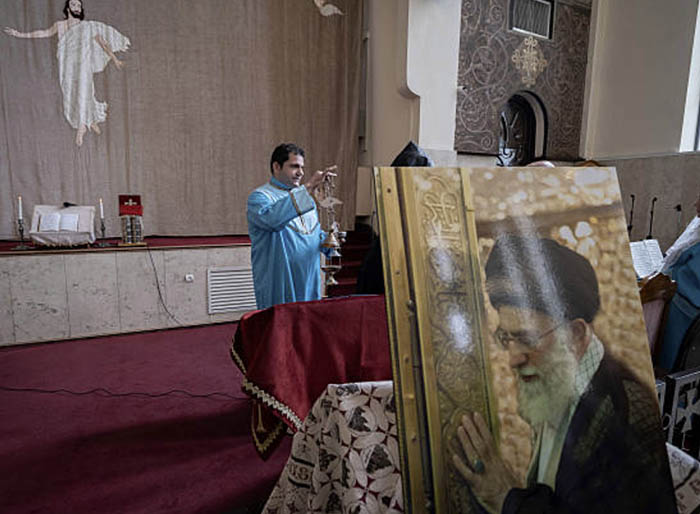
Prayer Ceremony for Late Supreme Leader Ali Khamenei, The bloodthirsty dictator Amid Ceasefire Tensions
Introduction The death of Ali Khamenei on April 8, 2026, has sent shockwaves across Iran and the wider Middle East, … Continue reading ➝
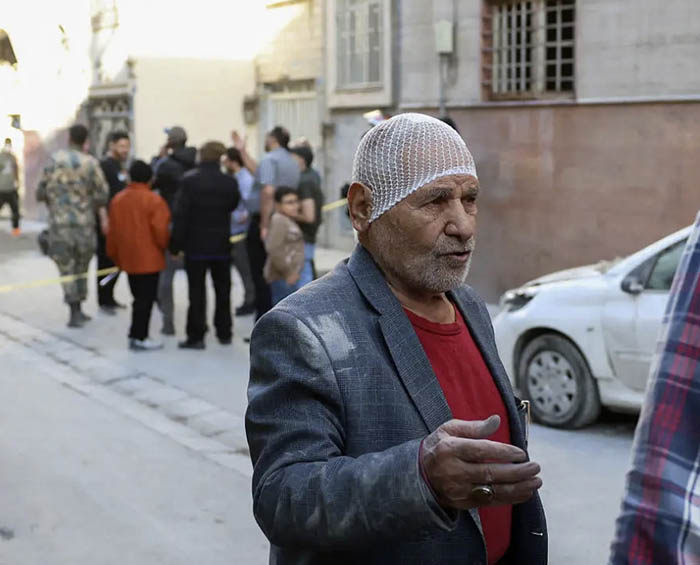
Israeli-American Strikes in Tehran 2026: Synagogue Destroyed Amid Escalating War
Introduction The ongoing conflict between Iran, Israel, and the United States has reached a devastating new chapter. On April 7, … Continue reading ➝