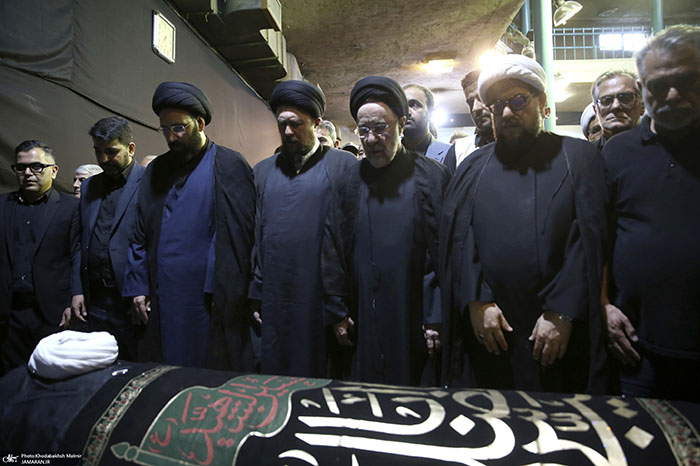
The Sad Faces of Mohammad Khatami and Hassan Khomeini at a Funeral Ceremony
Connecting with the Public
In a society where public displays of emotion by political leaders are rare, the visible sadness of Khatami and Khomeini serves to humanize them. This emotional connection can bridge the gap between leaders and citizens, fostering a sense of solidarity and empathy. It allows the public to see their leaders not just as political figures but as individuals who share in their sorrows and losses.
The shared experience of grief can also serve as a unifying force, bringing people together in a moment of collective mourning. This unity is particularly important in times of national crisis or uncertainty, providing a sense of stability and resilience.
The Role of Media and Public Perception
The portrayal of Khatami and Khomeini’s sadness by the media also plays a crucial role in shaping public perception. In a country where media coverage of political figures is tightly controlled, the images of their grief are powerful and evocative. They convey a message of vulnerability and humanity that resonates deeply with the public.
The media’s role in capturing and disseminating these moments of sorrow can influence public sentiment and foster a greater understanding of the personal dimensions of political life. It can also highlight the emotional toll of leadership and the sacrifices made by those in positions of power.
The Future of Reform and Leadership
The heartbreaking sad faces of Mohammad Khatami and Hassan Khomeini at the funeral ceremony serve as a reminder of the ongoing struggle for reform and the complex interplay between personal and political life in Iran.
July 18, 2024 | 5:30 pmMore stories
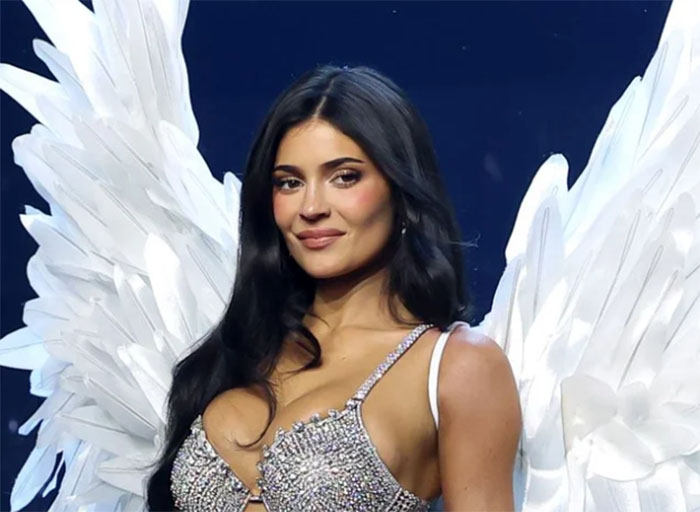
Kylie Jenner Makes Victoria’s Secret Fashion Show Debut in $50 Million Fantasy Bra
Introduction Babak Takhti is an Iranian writer, publisher and the only son of Gholamreza Takhti, the legendary Iranian freestyle wrestler … Continue reading ➝
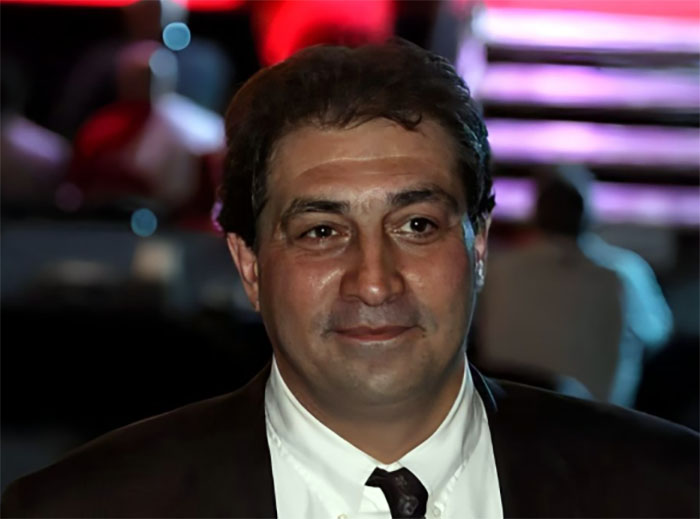
Who Is Babak Takhti? Gholamreza Takhti’s Only Son, His Family, Career, and His Father’s Controversial Death
Introduction Babak Takhti is an Iranian writer, publisher and the only son of Gholamreza Takhti, the legendary Iranian freestyle wrestler … Continue reading ➝
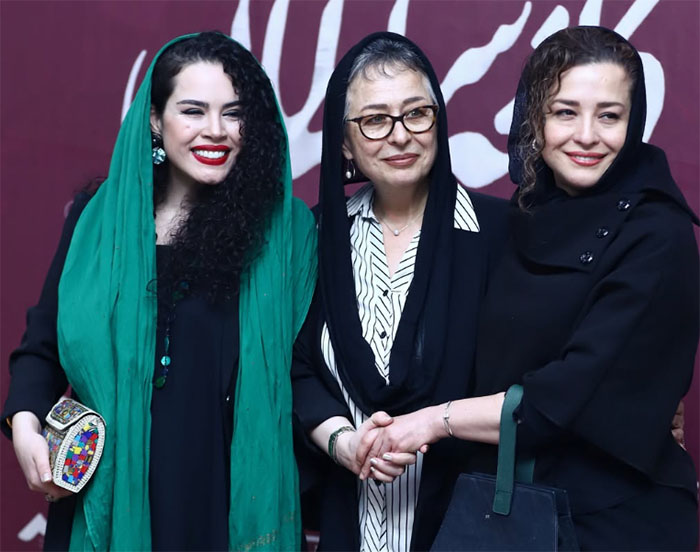
Azita Hajian, Mehraveh Sharifinia and Melika Sharifinia Attend Cafe Soltan Private Screening at Megamall Cinema
Introduction The private screening of Cafe Soltan, the Iranian feature film directed by Mostafa Razagh-Karimi and produced by Morteza Razagh-Karimi, … Continue reading ➝

Bot (Bet) Movie: Hamid Nematollah’s Drama Holds Private Screening at Galleria Cinema Complex
Introduction The Iranian social drama Bot, also transliterated as Bet and associated with the English title Idol, has attracted attention … Continue reading ➝
10 Fascinating Stories About Most Famous Actresses: Behind-the-Scenes Secrets From Iconic Films and TV Shows
Introduction 1. Gohar Kheirandish in Banoo: The Makeup That Could Not Hide Her Beauty Film: Banoo (The Lady) Director: Dariush … Continue reading ➝