Russia Bans Photographers from State Duma Sessions: Political Implications, Historical Context, and Media Freedom Under Putin
Conclusion
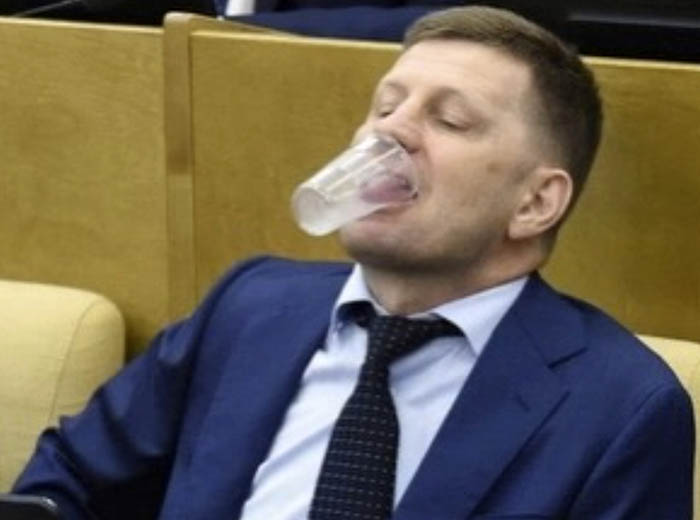
Russia’s recent ban on photographers from State Duma sessions marks a significant step in the ongoing erosion of transparency, accountability, and democratic norms under Vladimir Putin’s regime. Rooted in a long history of dismantling parliamentary independence and consolidating power, this move exemplifies the regime’s broader strategy of controlling narratives and suppressing dissent.
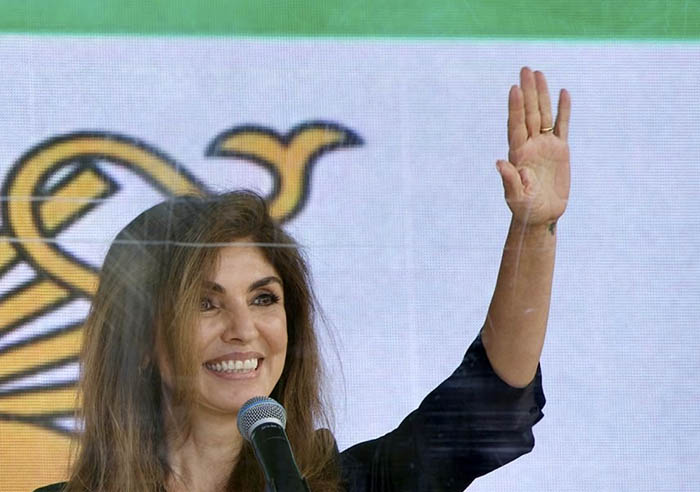
The presence of key figures like Alina Kabaeva and Vyacheslav Volodin highlights the intertwining of personal relationships and political authority, reflecting the opaque nature of Russia’s power structure. Meanwhile, the myth of “sovereign democracy” continues to mask authoritarian tendencies behind a veneer of legitimacy.
As the international community watches, Russia’s trajectory raises critical questions about the future of civil liberties, press freedom, and democratic development in one of the world’s most influential yet opaque nations. The struggle for transparency and true democracy in Russia remains ongoing, with profound implications for global stability and human rights.