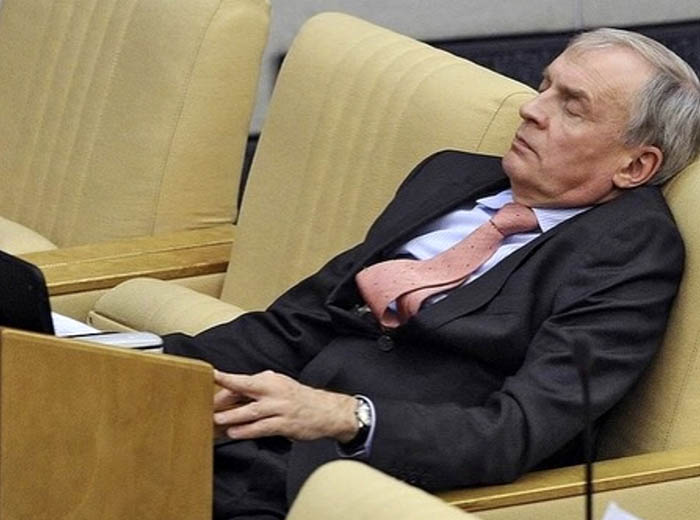
Russia Bans Photographers from State Duma Sessions: Political Implications, Historical Context, and Media Freedom Under Putin
Deep Dive into Russia’s Political Evolution: From Yeltsin to Putin
The Collapse of the Soviet Union and the Birth of Russian Federation
The fall of the Soviet Union in 1991 was a pivotal moment that reshaped global geopolitics. Russia emerged as the primary successor state, inheriting a complex legacy of authoritarian rule, centralized power, and a command economy. Boris Yeltsin, Russia’s first president, promised democratic reforms but quickly faced the realities of a fragile state and burgeoning oligarchic influence.
Yeltsin’s tenure was marked by chaos, economic turmoil, and the erosion of the Soviet-era legislative structures. The dissolution of the Supreme Soviet and the declaration of a new constitution in 1993—implemented through a brutal constitutional crisis—laid the groundwork for the centralized authoritarianism that would follow.
The 1993 Constitutional Crisis and the Rise of Presidential Power
In 1993, Yeltsin’s attempt to consolidate executive power culminated in a confrontation with the Russian parliament, the Supreme Soviet. When the parliament opposed Yeltsin’s reforms and attempts to weaken its authority, the president dissolved the parliament and, following a political deadlock, ordered the military to shell the White House—an act that shocked the world.
This violent suppression led to the adoption of a new constitution that granted the president sweeping powers. The new legal framework effectively marginalized the parliament, setting a precedent for future authoritarian consolidation.
The Putin Era: From Reform to Authoritarianism
Vladimir Putin’s rise to power in 2000 marked a turning point. Initially perceived as a reformer with a background in the KGB and federal security services, Putin quickly centralized authority, silenced opposition, and curtailed media freedoms.
Under Putin, Russia’s political landscape shifted from a fragile democracy to a hybrid authoritarian regime. The manipulation of elections, suppression of dissent, and control of key institutions, including the judiciary and media, became hallmarks of his rule.
February 20, 2026 | 8:52 amMore stories
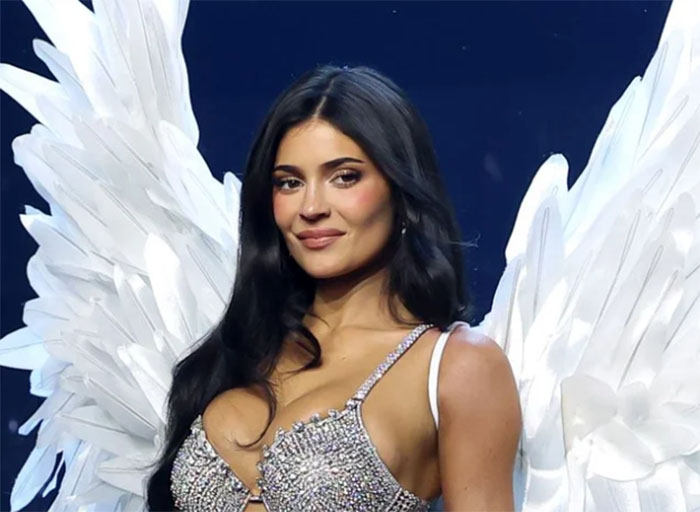
Kylie Jenner Makes Victoria’s Secret Fashion Show Debut in $50 Million Fantasy Bra
Introduction Babak Takhti is an Iranian writer, publisher and the only son of Gholamreza Takhti, the legendary Iranian freestyle wrestler … Continue reading ➝
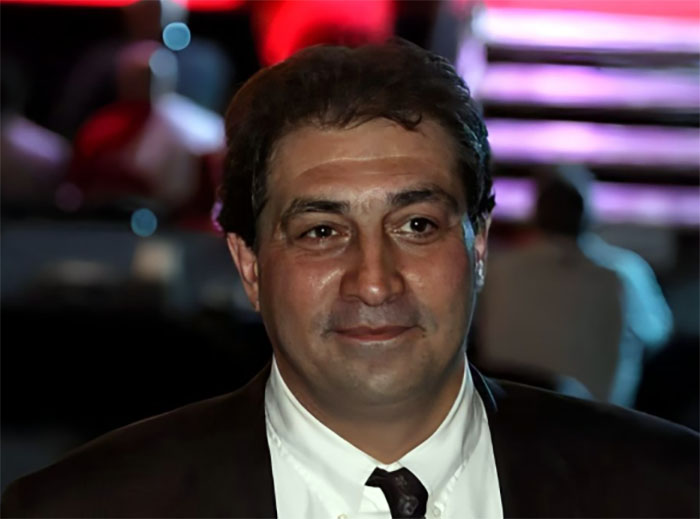
Who Is Babak Takhti? Gholamreza Takhti’s Only Son, His Family, Career, and His Father’s Controversial Death
Introduction Babak Takhti is an Iranian writer, publisher and the only son of Gholamreza Takhti, the legendary Iranian freestyle wrestler … Continue reading ➝
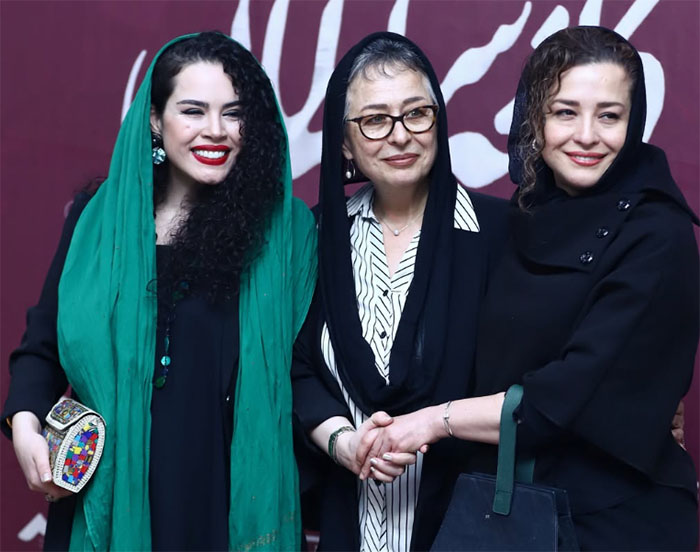
Azita Hajian, Mehraveh Sharifinia and Melika Sharifinia Attend Cafe Soltan Private Screening at Megamall Cinema
Introduction The private screening of Cafe Soltan, the Iranian feature film directed by Mostafa Razagh-Karimi and produced by Morteza Razagh-Karimi, … Continue reading ➝
Bot (Bet) Movie: Hamid Nematollah’s Drama Holds Private Screening at Galleria Cinema Complex
Introduction The Iranian social drama Bot, also transliterated as Bet and associated with the English title Idol, has attracted attention … Continue reading ➝
10 Fascinating Stories About Most Famous Actresses: Behind-the-Scenes Secrets From Iconic Films and TV Shows
Introduction 1. Gohar Kheirandish in Banoo: The Makeup That Could Not Hide Her Beauty Film: Banoo (The Lady) Director: Dariush … Continue reading ➝