The Narrative Shift: Regime’s Propaganda Post-January 2026
The January 2026 Massacre: A Turning Point
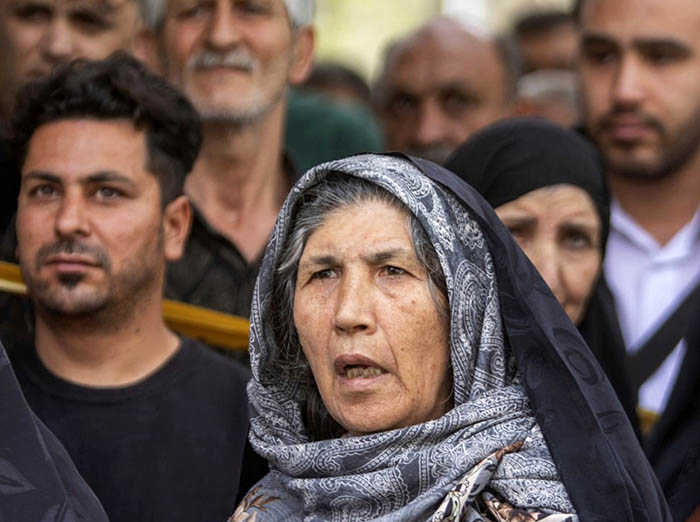
On January 15, 2026, during nationwide protests demanding political reform, economic betterment, and human rights, security forces deployed live ammunition, resulting in a tragic loss of life. The exact death toll remains contested, with independent sources reporting hundreds of casualties, while official figures acknowledge fewer.
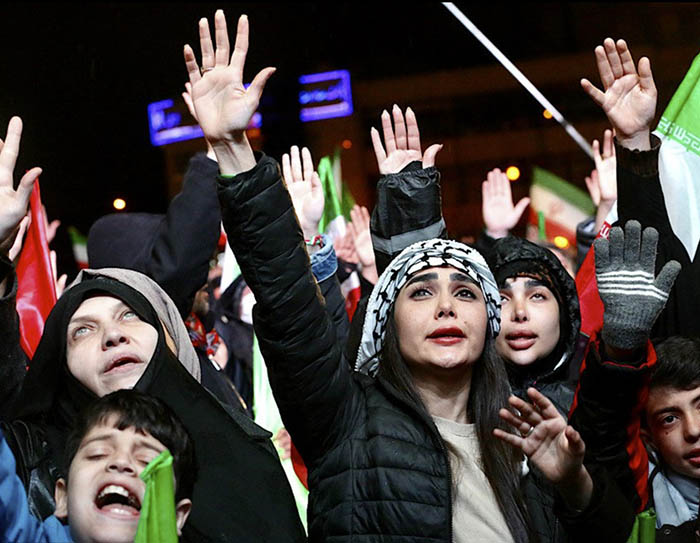
International condemnation followed, alongside widespread protests and social media campaigns denouncing state violence. The regime’s initial response framed the protests as illegitimate and externally influenced, emphasizing the need for order and security.
Regime Propaganda: Strategies and Techniques
The Iranian government’s propaganda machinery employs various channels and techniques to shape perceptions:
State Media Outlets
- IRIB (Islamic Republic of Iran Broadcasting) dominates television, radio, and online platforms, disseminating messages aligning with government narratives.
- Content emphasizes patriotism, loyalty to the Islamic Revolution, and portrays security forces as protectors of the nation.
Social Media and Digital Platforms
- Despite international sanctions and restrictions, the regime uses proxies, bots, and official accounts to spread favorable narratives.
- Hashtags glorifying the revolution, portraying protests as foreign plots, and emphasizing resilience proliferate.
Cultural and Religious Messaging
- Religious figures and leaders reinforce themes of sacrifice, divine legitimacy, and unity.
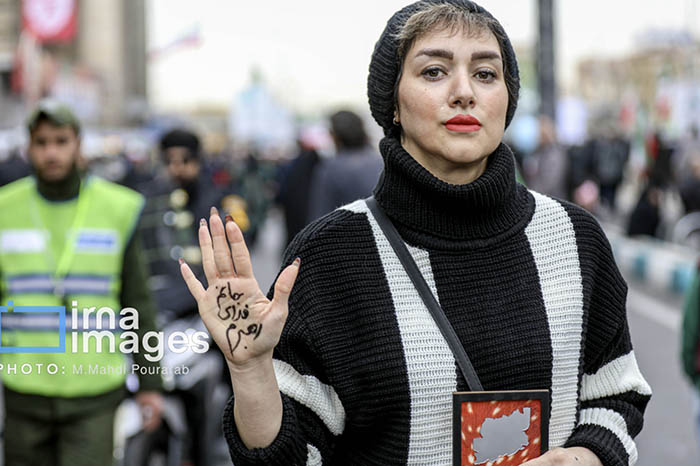
- Celebrations of anniversary events serve as propaganda opportunities, emphasizing the regime’s longevity and resilience.
Discrediting Opposition
- Opposition figures and protesters are labeled as terrorists, foreign agents, or misguided youth.
- Propaganda paints dissent as destabilizing efforts by hostile foreign powers, mainly the U.S. and Israel.