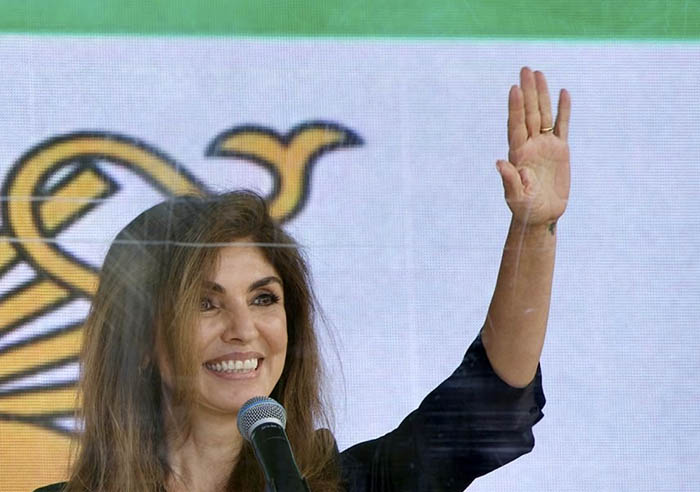
Rallying for Freedom: The Protests and the Fight Against Oppression in London
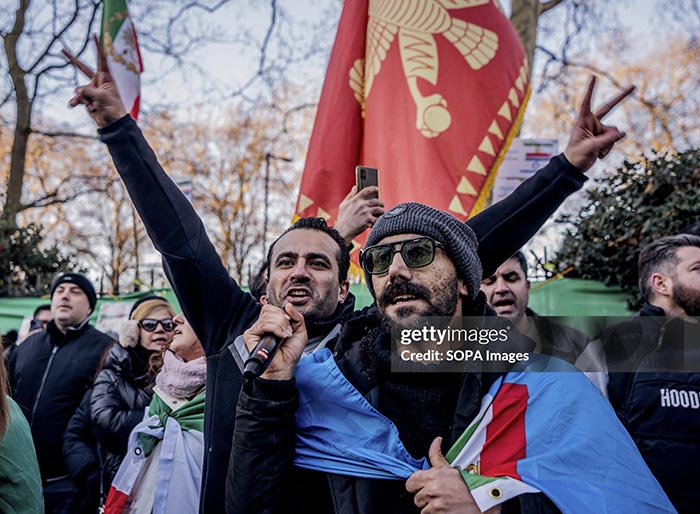
To fully understand the current protests in Iran, it is essential to delve into the historical context that has shaped the nation’s political landscape. Iran’s modern history is marked by a series of significant events that have influenced its governance and the relationship between the state and its citizens. The 1979 Iranian Revolution stands as a pivotal moment, leading to the establishment of the Islamic Republic under the leadership of Ayatollah Ruhollah Khomeini. This revolution was fueled by widespread discontent with the monarchy of Shah Mohammad Reza Pahlavi, who was perceived as corrupt and out of touch with the needs of the Iranian people.
The revolution promised a return to Islamic values and social justice, but over the years, it has morphed into a regime characterized by authoritarianism and repression. The clerical establishment, led by the Supreme Leader, holds significant power, often sidelining democratic processes and curtailing civil liberties. The political system has been marked by a lack of transparency, widespread corruption, and human rights abuses, leading to growing frustration among the populace.
In recent years, economic challenges have further exacerbated discontent. Sanctions imposed by the international community, coupled with mismanagement and corruption within the government, have led to high inflation, unemployment, and a declining standard of living. These economic hardships have fueled protests, as citizens demand not only political change but also basic economic rights and opportunities.
January 7, 2026 | 5:19 am