Propaganda and the Centrifuge Program: Showcasing Scientific Power and National Resilience
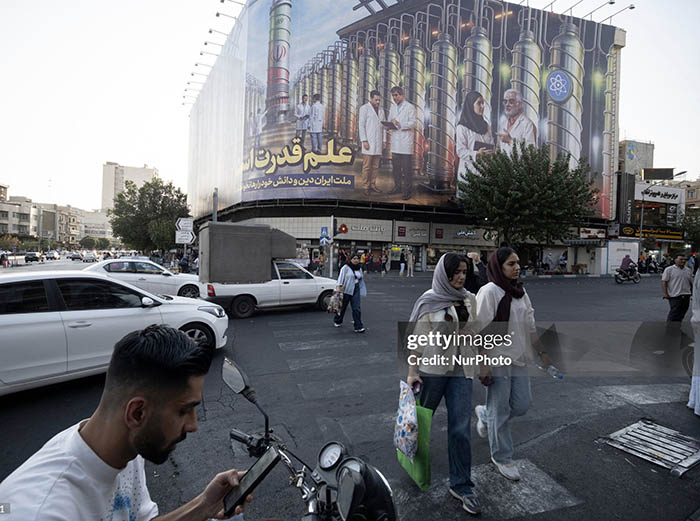
Enhancing Domestic Legitimacy
By promoting the narrative that centrifuge technology signifies a nation’s scientific prowess, governments bolster domestic legitimacy. Citizens are encouraged to view technological progress as a source of national pride, fostering support for government policies and investments in research and development.
Deterring External Criticism
Effective propaganda can influence international perceptions, making external actors more hesitant to criticize or impose sanctions. When the public perceives a program as a symbol of national strength and peaceful progress, diplomatic negotiations may be influenced by this perception, potentially reducing external pressures.
Shaping International Negotiations
States may use propaganda to create leverage in diplomatic negotiations. Demonstrating technological advancements through public displays and media narratives can serve as a form of soft power, signaling resilience and deterrence.
Counteracting Opposing Narratives
In environments where external narratives threaten to diminish the legitimacy of a centrifuge program, governments deploy counter-propaganda to challenge those narratives. This includes emphasizing peaceful intentions, highlighting scientific achievements, and framing external criticisms as biased or unjust.
August 31, 2025 | 7:23 pmMore stories

Kylie Jenner Makes Victoria’s Secret Fashion Show Debut in $50 Million Fantasy Bra
Introduction Babak Takhti is an Iranian writer, publisher and the only son of Gholamreza Takhti, the legendary Iranian freestyle wrestler … Continue reading ➝

Who Is Babak Takhti? Gholamreza Takhti’s Only Son, His Family, Career, and His Father’s Controversial Death
Introduction Babak Takhti is an Iranian writer, publisher and the only son of Gholamreza Takhti, the legendary Iranian freestyle wrestler … Continue reading ➝
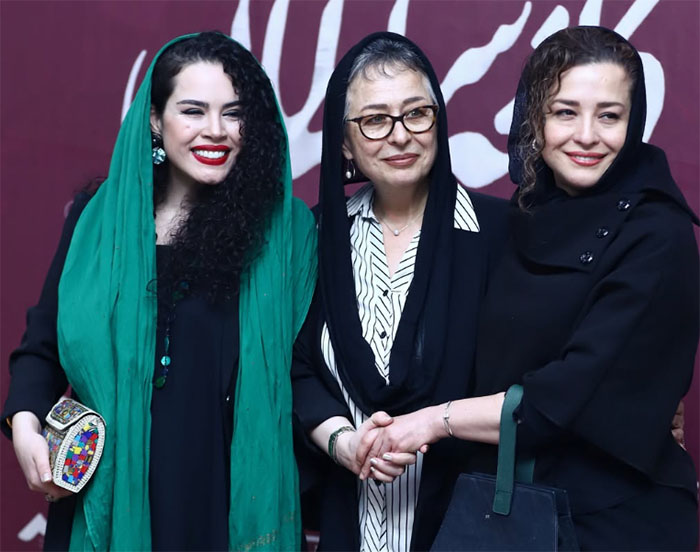
Azita Hajian, Mehraveh Sharifinia and Melika Sharifinia Attend Cafe Soltan Private Screening at Megamall Cinema
Introduction The private screening of Cafe Soltan, the Iranian feature film directed by Mostafa Razagh-Karimi and produced by Morteza Razagh-Karimi, … Continue reading ➝

Bot (Bet) Movie: Hamid Nematollah’s Drama Holds Private Screening at Galleria Cinema Complex
Introduction The Iranian social drama Bot, also transliterated as Bet and associated with the English title Idol, has attracted attention … Continue reading ➝
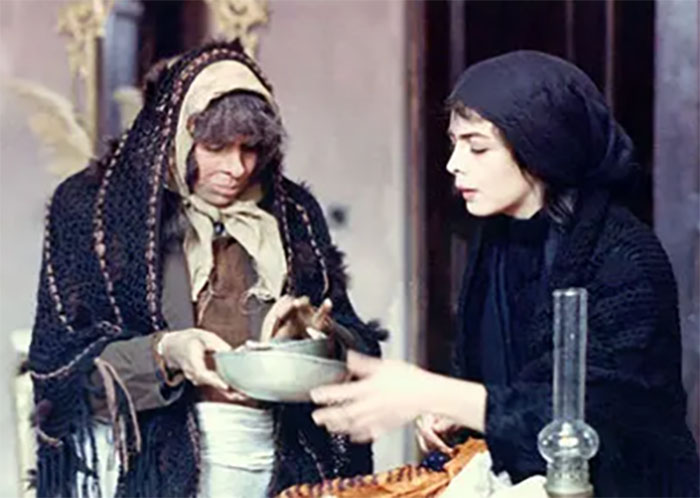
10 Fascinating Stories About Most Famous Actresses: Behind-the-Scenes Secrets From Iconic Films and TV Shows
Introduction 1. Gohar Kheirandish in Banoo: The Makeup That Could Not Hide Her Beauty Film: Banoo (The Lady) Director: Dariush … Continue reading ➝