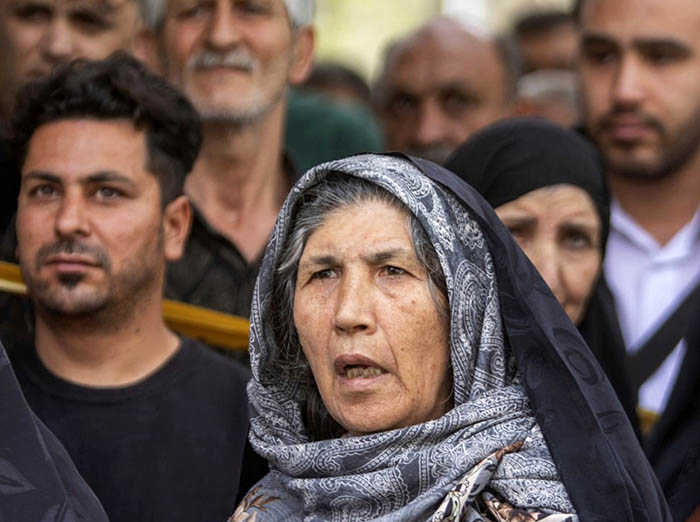
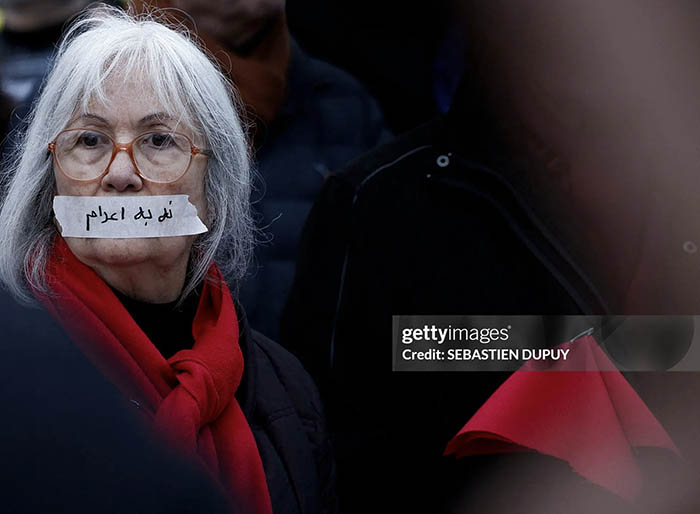
Politics and Human Rights Protest: The Silent March in Paris Denouncing Crackdown on Protesters
Historical Overview
The diplomatic ties between France and Iran stretch back over a century, influenced by geopolitical, economic, and cultural exchanges. During the Pahlavi dynasty (1925–1979), France was a key partner in Iran’s modernization efforts, providing military and economic support. The 20th century saw a deepening of cultural ties, with French language and education playing significant roles in Iran’s intellectual circles.
However, the 1979 Iranian Revolution dramatically shifted this relationship. The overthrow of the Shah and the establishment of the Islamic Republic led to severed diplomatic relations, with France becoming a vocal critic of Iran’s authoritarian regime and human rights abuses.
Diplomatic Tensions and Engagements
In the 21st century, France’s approach towards Iran has oscillated between engagement and sanctions. The 2015 Iran Nuclear Deal (JCPOA) marked a period of diplomatic rapprochement, with France playing a leading role among Western powers. Yet, disagreements over Iran’s regional policies and nuclear ambitions, coupled with human rights concerns, have often strained relations.
Recent years have seen a resurgence of tensions, especially after Iran’s crackdown on protests, with France and other European nations calling for accountability and supporting civil society movements within Iran.
January 31, 2026 | 10:29 pm