The Funeral of Atrianfar at Noor Mosque: A Reflection of Political and Social Landscape

The Cultural and Political Significance of Mourning in Iran
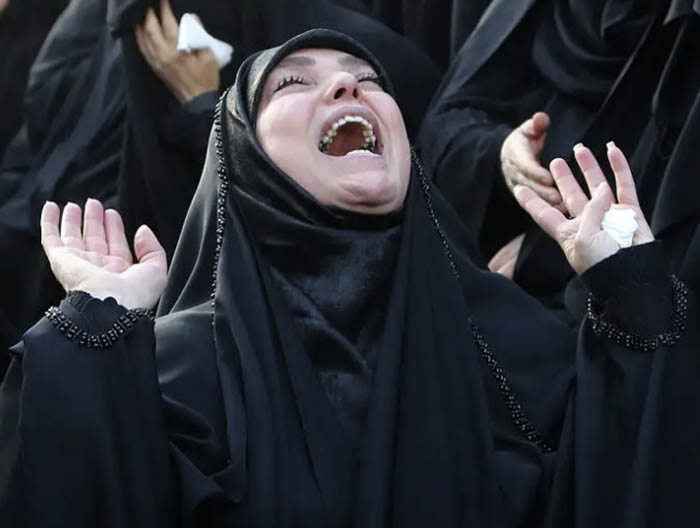
In Iran, funerals are more than personal rites—they often serve as platforms for political expression and societal reflection. The participation of political figures in mourning ceremonies underscores the deep connection between family, faith, and politics.
Mourning as a Political Act
Political leaders often attend funerals of prominent figures or family members to demonstrate solidarity and reinforce social bonds. Such gatherings can serve as opportunities for subtle political messaging, reaffirming commitments to certain ideals or factions.
Historical Context
Iranian history has seen many instances where funerals became rallying points for political movements. For example, the funeral of Dr. Ali Shariati, a prominent intellectual and revolutionary, drew thousands and became a symbol of resistance.
Mourning Rituals
The rituals observed during the funeral included recitations of the Quran, prayers for the soul of the departed, and communal gatherings that foster social cohesion. These rituals intertwine religious devotion with cultural identity, reinforcing shared values.
May 28, 2025 | 3:10 pmMore stories
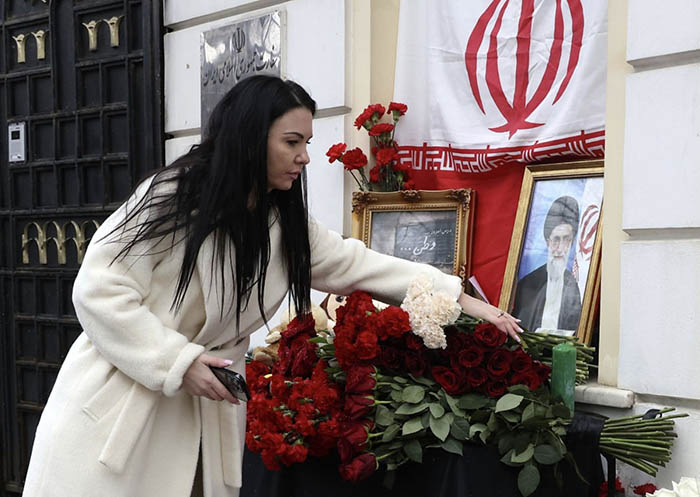
Tributes to Ali Khamenei Outside Embassies in Moscow and Bishkek After U.S.–Israel Strikes
Introduction Flowers, portraits, candles, and handwritten messages appeared outside the Iranian Embassy in central Moscow on March 3, 2026, as … Continue reading ➝
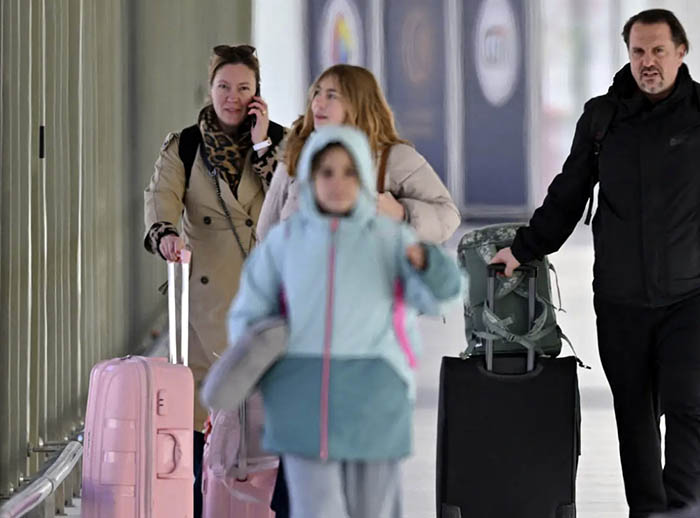
Refugees in Turkey: nationals are arriving in Turkey through the Razi-Kapikoy border crossing
Introduction The Turkey–Iran border crossing crisis has rapidly become one of the most searched global news topics following the dramatic … Continue reading ➝
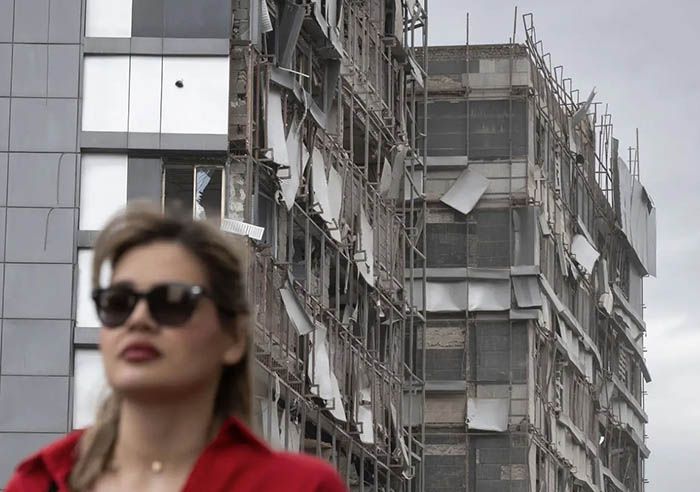
U.S.-Israeli Airstrikes on Tehran: Full Report on the March 2, 2026 Attacks, Destruction, and Regional Escalation
Introduction On March 2, 2026, the capital city of Tehran became the epicenter of one of the most significant military … Continue reading ➝
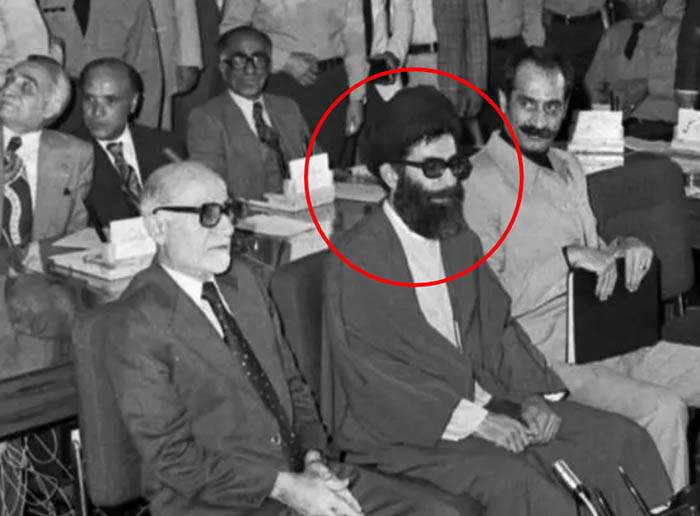
Ali Khamenei: Leadership of the Islamic Republic (1979-1989) and the Role of the Supreme Defense Council
Introduction Ali Khamenei, born on July 17, 1939, in Mashhad, Iran, is the current Supreme Leader of the Islamic Republic … Continue reading ➝
Mourning for Khamenei’s Death: A Hypothetical Crisis Scenario and Its Global Consequences
Introduction The geopolitical relationship between Iran, the United States, and Israel remains one of the most volatile and strategically significant … Continue reading ➝