10 Significant Moments from the Political Friday Prayer Ceremony on Youmullah 12 Bahman 1403
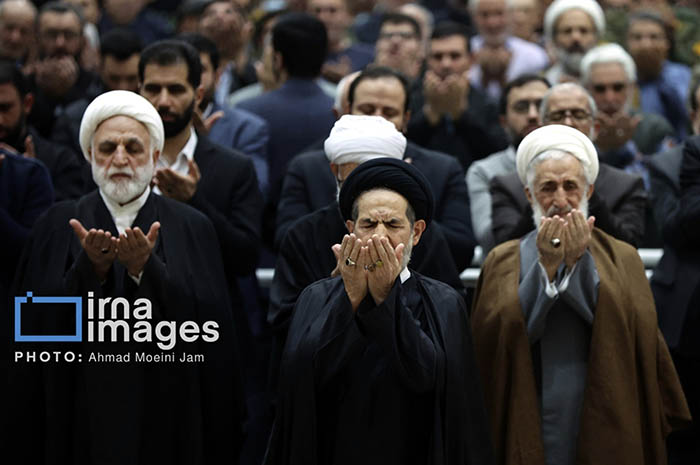
Continuing the Legacy: The Role of Religious Leadership
The Friday prayer ceremonies in Iran serve as an axis around which the community’s faith and political identity revolve. The leadership provided by figures like Hojjatoleslam Seyed Mohammad Hassan Abu Torabifard is essential in ensuring that the principles of the Islamic Republic are continuously articulated and reinforced. The religious leaders are tasked with grounding the community’s aspirations in Islamic jurisprudence while providing a modern sociopolitical context to those beliefs.
The Interplay of Faith and Politics
At the heart of the sermon on Youmullah 12 Bahman were the intricate connections between faith and politics. This intertwining has historically defined the Iranian political landscape. Abu Torabifard articulated a vision for a government that remains true to Islamic moral values while also adapting to contemporary challenges. This duality is crucial for gaining the public’s trust and faith in their leaders, who are expected to govern not just in political terms, but also morally and ethically.
Emphasizing the Islamic Revolution’s Values
The ceremony eloquently served as a reminder of the core values that prompted the Islamic Revolution in 1979. Those values of justice, equality, and social justice resonate strongly with both the leaders of the Islamic Republic and the citizens it serves. Hojjatoleslam Abu Torabifard’s call for unity was underscored by references to historical struggles and the sacrifices made during the revolution, infusing a sense of collective memory among the attendees. This shared history is continuously invoked to strengthen national pride.
January 31, 2025 | 10:30 pmMore stories
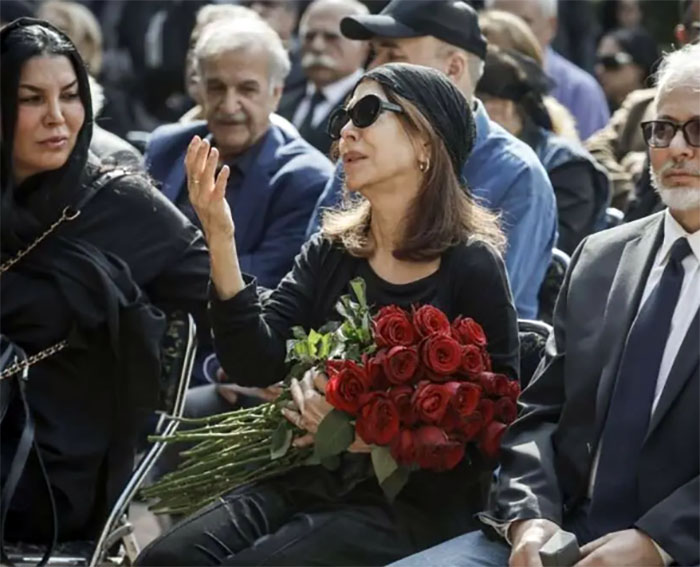
Sirus Ebrahimzadeh Funeral: Details of the Farewell Ceremony in Tehran After His Remains Returned from the United States
a Introduction A farewell ceremony honoring Iranian actor Sirus Ebrahimzadeh was held on the morning of Wednesday, October 21, 2026, … Continue reading ➝

What Does a Strange Taste in Your Mouth Mean?
a Introduction A strange taste in your mouth can be unpleasant, confusing, and sometimes concerning. You might wake up with … Continue reading ➝
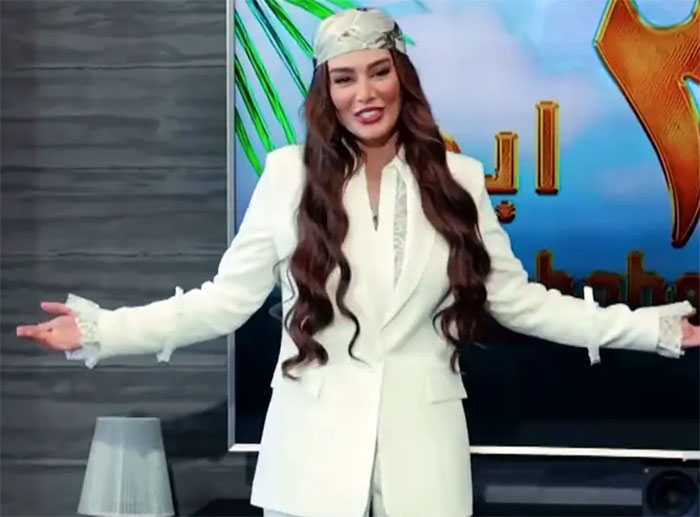
Eshgh-e Abadi Controversy: Shahrzad Report Raises Serious Questions About Reality TV
a Introduction The reality show Eshgh-e Abadi (Eternal Love Camp) has attracted attention following a report published by the Twitter … Continue reading ➝
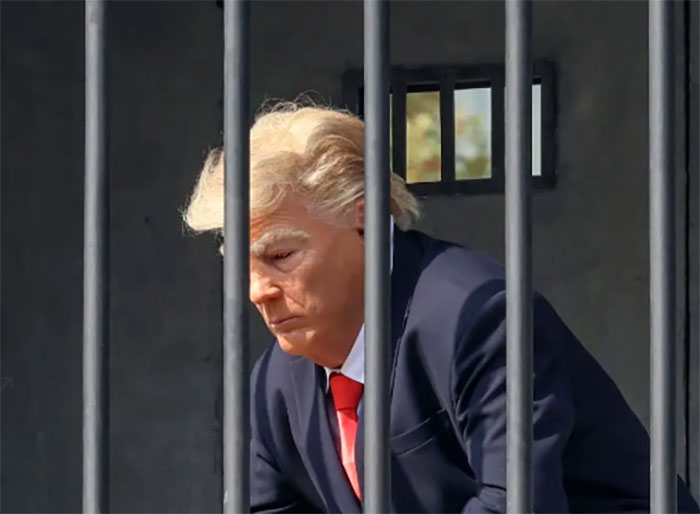
Donald Trump Mask in Tehran: Actor Appears in Mock Prison Cell at Tajrish Square
a Introduction An unusual street installation featuring an Iranian actor wearing a mask depicting US President Donald Trump has attracted … Continue reading ➝

Sam Asghari and Brooke Irwin Star in New Photoshoot: Inside the Model’s Latest Editorial Feature
Introduction Sam Asghari, the Iranian-American model and actor known for his work in fashion, entertainment, and fitness, has appeared in … Continue reading ➝