World Leaders Gather for United Nations General Assembly as President Masoud Pezeshkian Delivers Wartime Address
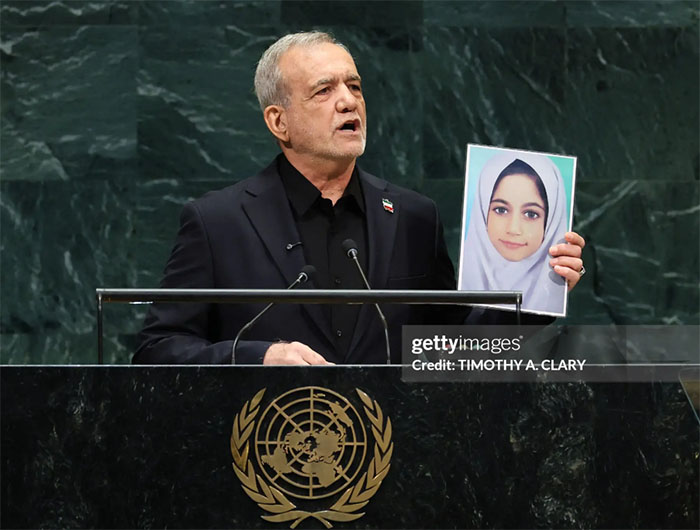
Iran’s Foreign Minister Abbas Araghchi
Abbas Araghchi’s presence alongside Pezeshkian was particularly significant because of his role in diplomacy.
Araghchi has extensive experience in negotiations involving Iran and Western governments.
At the 2026 General Assembly, his role became especially important as Iranian and American representatives explored possible diplomatic avenues.
Reuters reported that Araghchi communicated with American officials through intermediaries during the New York meetings.
The diplomatic engagement suggests that despite the hostile rhetoric surrounding the conflict, channels for negotiation remain open.
The challenge is whether those channels can bridge major disagreements over sanctions, military pressure, Iran’s nuclear program and regional security.
Pezeshkian and Peace Negotiations
Pezeshkian’s statement that Iran believes in diplomacy is significant because it indicates that Tehran continues to view negotiations as a possible mechanism for ending the conflict.
At the same time, his statement that Iran will not surrender demonstrates the conditions under which Iran is prepared to negotiate.
The distinction between diplomacy and capitulation is important in Iranian political rhetoric.
Iranian leaders have historically emphasized national sovereignty and resistance to foreign pressure.
American officials, meanwhile, have emphasized preventing Iran from acquiring nuclear weapons and securing concessions from Tehran.
The distance between these positions remains substantial.
The Future of Iran-US Relations
The future of Iran-US relations remains uncertain.
A diplomatic settlement could potentially involve Iran’s nuclear program, sanctions, military activity, shipping through the Strait of Hormuz and regional security.
Any agreement would require decisions from multiple institutions on both sides.
The current diplomatic contacts in New York demonstrate that negotiations remain possible, but they do not establish that an agreement will be reached.
Reuters reported that U.S. and Iranian representatives had resumed indirect communication while the conflict continued.
The General Assembly therefore became both a public stage for confrontation and a private venue for diplomacy.
September 23, 2026 | 3:13 pmMore stories
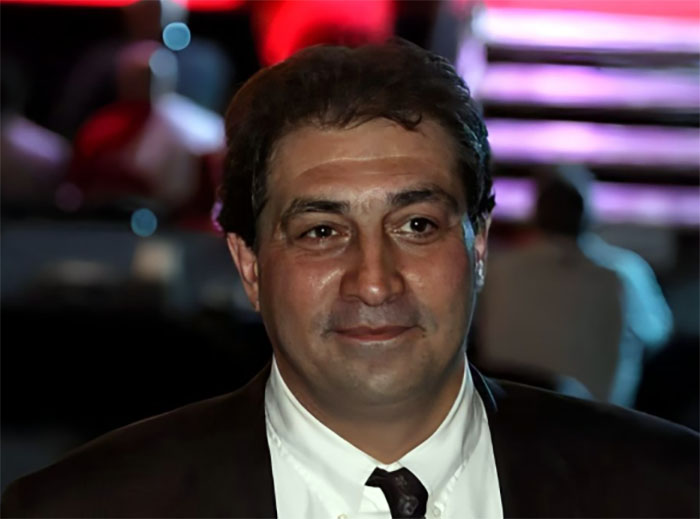
Who Is Babak Takhti? Gholamreza Takhti’s Only Son, His Family, Career, and His Father’s Controversial Death
Introduction Babak Takhti is an Iranian writer, publisher and the only son of Gholamreza Takhti, the legendary Iranian freestyle wrestler … Continue reading ➝
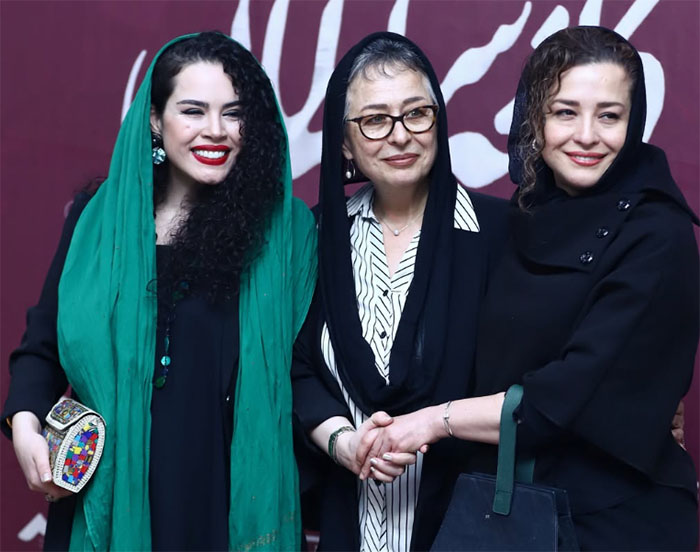
Azita Hajian, Mehraveh Sharifinia and Melika Sharifinia Attend Cafe Soltan Private Screening at Megamall Cinema
Introduction The private screening of Cafe Soltan, the Iranian feature film directed by Mostafa Razagh-Karimi and produced by Morteza Razagh-Karimi, … Continue reading ➝

Bot (Bet) Movie: Hamid Nematollah’s Drama Holds Private Screening at Galleria Cinema Complex
Introduction The Iranian social drama Bot, also transliterated as Bet and associated with the English title Idol, has attracted attention … Continue reading ➝
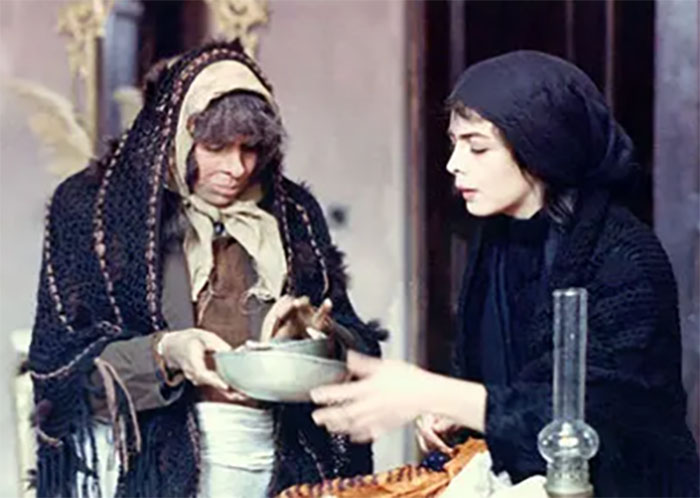
10 Fascinating Stories About Most Famous Actresses: Behind-the-Scenes Secrets From Iconic Films and TV Shows
Introduction 1. Gohar Kheirandish in Banoo: The Makeup That Could Not Hide Her Beauty Film: Banoo (The Lady) Director: Dariush … Continue reading ➝
9 Famous Celebrity Love Stories That Captivated the World
Introduction 1. Googoosh and Dariush: The Rumored Romance Between Two Iranian Music Legends Few names are as recognizable in Iranian … Continue reading ➝