Noor Pahlavi: The Inspiring Journey of the Human Rights Advocate, and Summer Wedding Attendee

1.2 Mohammad Reza Shah: Modernization and Controversy
Mohammad Reza Shah Pahlavi ascended to the throne in 1941, following his father’s abdication under pressure from the Allied forces during World War II. His reign was marked by significant efforts to modernize Iran further, particularly through the White Revolution, a series of economic, social, and political reforms aimed at transforming Iran into a global power.
The White Revolution included land reforms, the nationalization of forests and pastures, the establishment of literacy corps, and the expansion of women’s rights, including the right to vote. While these reforms were intended to modernize Iran and improve the standard of living, they also led to widespread discontent among various segments of the population, particularly the clergy and the rural poor.
Mohammad Reza Shah’s close ties with Western powers, particularly the United States, further fueled resentment. His regime was often criticized for its autocratic nature, reliance on the secret police (SAVAK), and suppression of political dissent. These factors, combined with economic challenges and growing inequality, eventually led to the Islamic Revolution of 1979, which brought an end to the Pahlavi dynasty and established the Islamic Republic of Iran.
1.3 The Exile of the Pahlavi Family
The fall of the Pahlavi dynasty was a dramatic and defining moment in Iranian history. In January 1979, facing widespread protests and civil unrest, Mohammad Reza Shah left Iran, never to return. The revolution, led by Ayatollah Khomeini, resulted in the establishment of an Islamic theocracy, marking a significant shift in Iran’s political and cultural landscape.
The Pahlavi family, once revered as the royal family of Iran, was now in exile. Mohammad Reza Shah spent the last year of his life moving between various countries, including Egypt, Morocco, and the United States, before succumbing to cancer in July 1980. His death marked the end of an era for the Pahlavi family, leaving behind a legacy that would continue to influence the lives of his descendants, including Noor Pahlavi.
More stories
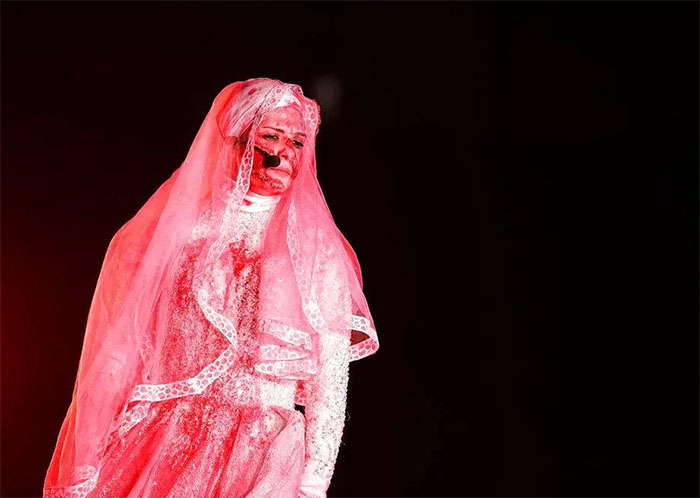
An Unusual Wedding Ceremony in Tehran Becomes a Memorial for the Victims of the Kohestak, Sirik Tragedy
Introduction The streets of Tehran have become the setting for an unusual and emotionally charged public event: a wedding-themed installation … Continue reading ➝

Kylie Jenner Makes Victoria’s Secret Fashion Show Debut in $50 Million Fantasy Bra
Introduction Babak Takhti is an Iranian writer, publisher and the only son of Gholamreza Takhti, the legendary Iranian freestyle wrestler … Continue reading ➝

Who Is Babak Takhti? Gholamreza Takhti’s Only Son, His Family, Career, and His Father’s Controversial Death
Introduction Babak Takhti is an Iranian writer, publisher and the only son of Gholamreza Takhti, the legendary Iranian freestyle wrestler … Continue reading ➝
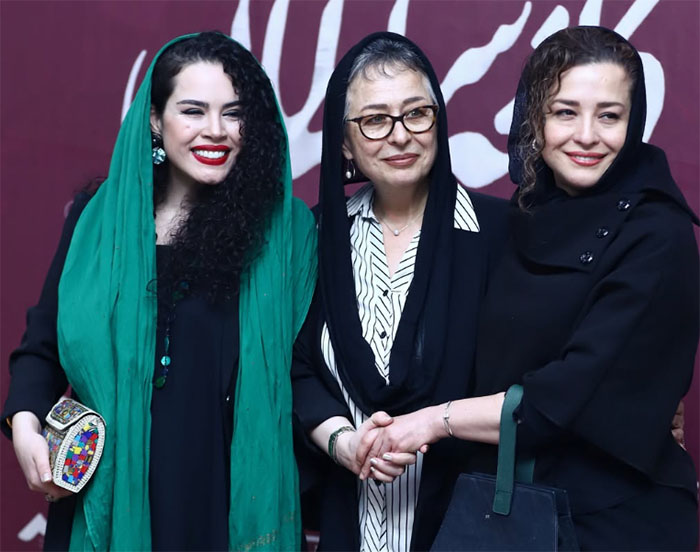
Azita Hajian, Mehraveh Sharifinia and Melika Sharifinia Attend Cafe Soltan Private Screening at Megamall Cinema
Introduction The private screening of Cafe Soltan, the Iranian feature film directed by Mostafa Razagh-Karimi and produced by Morteza Razagh-Karimi, … Continue reading ➝

Bot (Bet) Movie: Hamid Nematollah’s Drama Holds Private Screening at Galleria Cinema Complex
Introduction The Iranian social drama Bot, also transliterated as Bet and associated with the English title Idol, has attracted attention … Continue reading ➝