Night Gatherings in Tehran During Wartime in Vanak and the Transformation of Urban Space
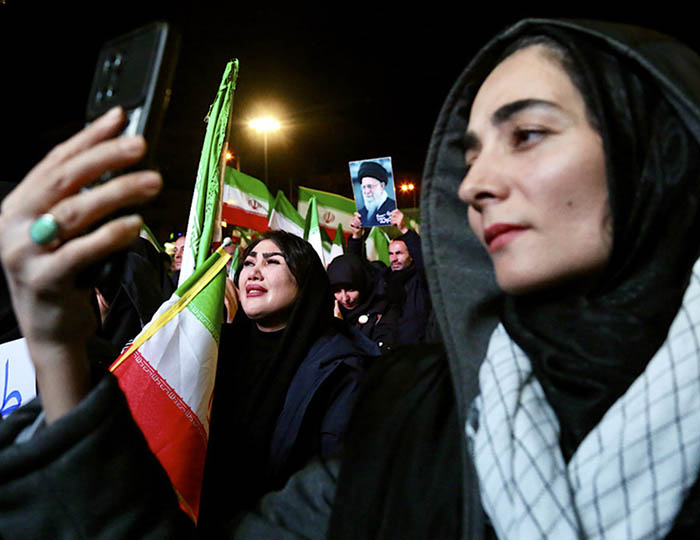
Ultimately, the significance of nighttime gatherings in Tehran during wartime lies in their ability to reveal the underlying resilience of the city and its. Through their presence in places like Vanak, individuals contribute to a collective narrative that extends beyond the immediate challenges of conflict. The night becomes a canvas on which the complexities of urban existence are displayed, highlighting the interplay between individual actions and shared experiences. In this sense, the gatherings are not merely responses to wartime conditions but integral components of the city’s identity, reflecting its capacity to adapt, endure, and continue functioning in the face of uncertainty.
As the patterns of nighttime gatherings in Tehran continue to evolve under wartime conditions, the interplay between visibility and invisibility becomes increasingly significant. In districts like Vanak, where wide intersections meet dense residential clusters, the ability to be seen and to remain unseen at the same time defines how people navigate public space after dark. The glow of streetlights and storefronts creates pockets of illumination, while side streets and building entrances offer moments of retreat. This duality allows gatherings to form and dissolve fluidly, without fixed boundaries or clear beginnings and endings, reinforcing the organic nature of urban interaction during periods of tension.
The continuity of these gatherings is closely tied to the adaptability of the population. Tehran’s residents are accustomed to adjusting their routines in response to shifting political and economic realities, and wartime conditions amplify this adaptability. In Vanak, this is reflected in the way people move through the area, often blending everyday activities with subtle forms of observation and participation. A simple evening walk, a at a café, or a brief conversation on a sidewalk can all become part of a larger pattern of that contributes to the collective atmosphere of the neighborhood. These micro-interactions accumulate over time, creating a sense of ongoing engagement that does not rely on formal organization.
March 29, 2026 | 7:36 pmMore stories

US–Israel–Iran War Demonstration in Washington, DC: Iranian Diaspora Rally for Freedom
Introduction On March 29, 2026, thousands gathered on the National Mall in Washington, DC near the iconic US Capitol to … Continue reading ➝
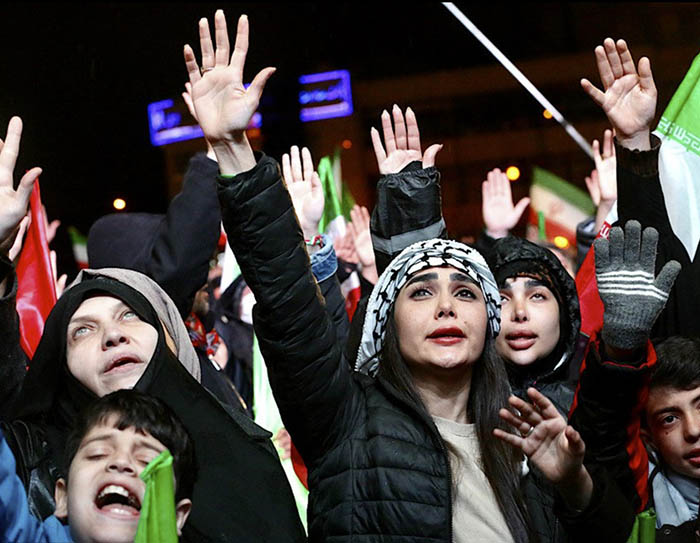
Night Gatherings in Tehran During Wartime in Vanak and the Transformation of Urban Space
Introduction Night gatherings in Tehran during wartime have become a significant aspect of urban life, particularly in central districts such … Continue reading ➝
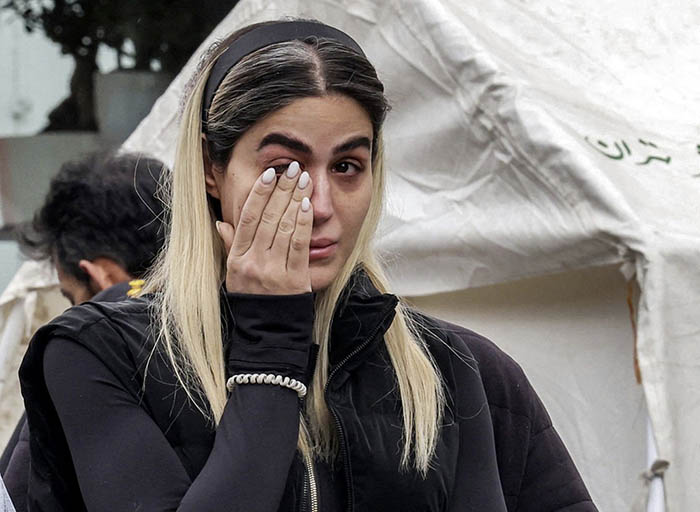
Missile Strike on Al-Arabi TV Office in Tehran Amid Escalating Iran–Israel Conflict
Introduction The rapidly escalating tensions in the Middle East reached a dramatic and alarming turning point as a missile strike … Continue reading ➝
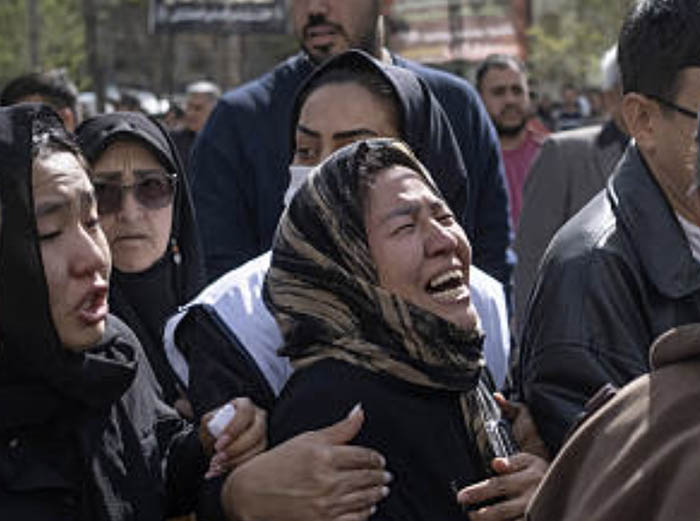
Despair in Afghan Neighborhood in Southern Tehran After Devastating Bombing
Introduction The narrow streets of an Afghan neighborhood in southern Tehran have fallen into a silence that feels heavier than … Continue reading ➝
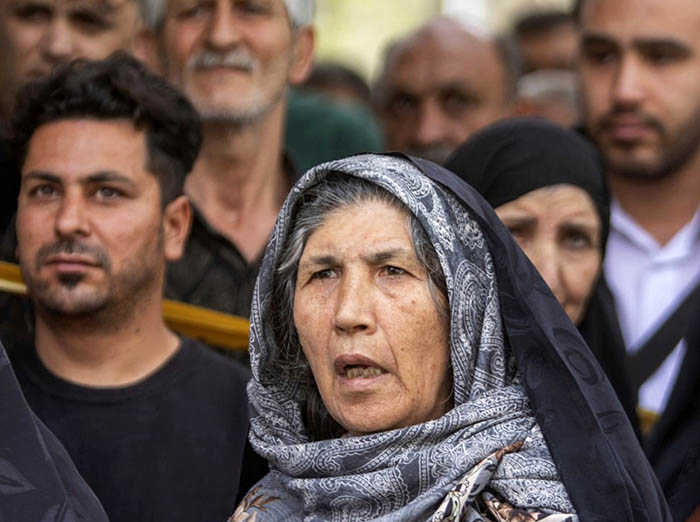
Residents in Shock After Missile Strikes Devastate Homes in Ray Amid Escalating War
Introduction Residents of Ray, a historic city just south of Tehran, woke to scenes of devastation and disbelief after midnight … Continue reading ➝