Night Gatherings in Tehran During Wartime in Vanak and the Transformation of Urban Space
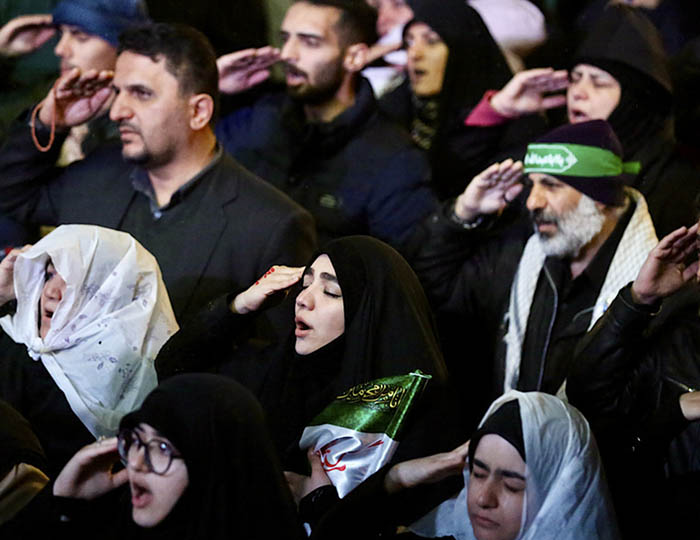

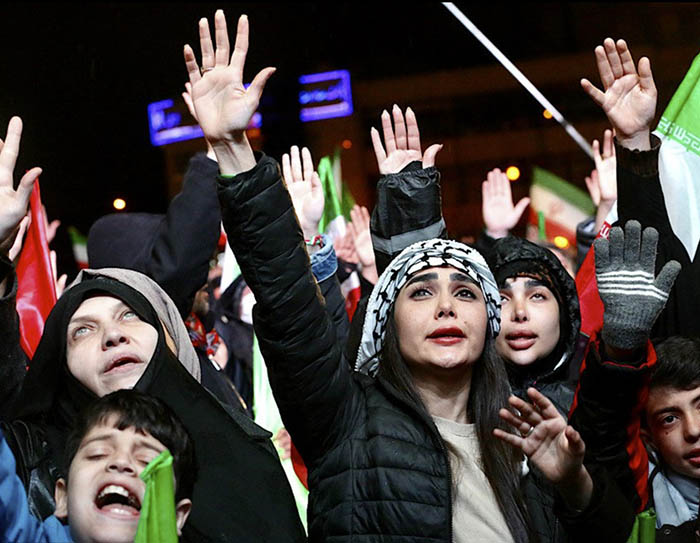
Security considerations inevitably influence the dynamics of nighttime gatherings during wartime. The presence of law enforcement, checkpoints, and other forms of monitoring can shape where and how people choose to gather. In some cases, this may lead to a dispersal of activity across multiple locations, rather than a single. In Vanak, the openness of the area means that gatherings are often fluid, with people moving between different نقاط depending on circumstances. This adaptability is a key feature of urban life in times of uncertainty, allowing individuals to respond to changing conditions while maintaining a sense of continuity.

Cultural factors also contribute to the persistence of nighttime gatherings in Tehran. The city has a long tradition of evening social life, with families and friends often spending time outdoors after sunset, particularly during warmer months. This cultural norm provides a foundation upon which other forms of gathering can build, blurring the line between ordinary social interaction and more significant collective behavior. In Vanak, where public spaces are designed to accommodate large numbers of people, this tradition is especially visible.

As wartime conditions continue to shape the city, the role of night gatherings in Tehran remains an evolving phenomenon. These gatherings are not static; they adapt to new circumstances, reflecting changes in technology, security, and social dynamics. In Vanak, the constant of people and vehicles ensures that the area remains a focal point for this evolution, offering a window into the broader experience of urban life under pressure.

Pages ( 5 of 12 ): « Previous1 ... 34 5 67 ... 12Next »
March 29, 2026 | 7:36 pm