Night Gatherings in Tehran During Wartime in Vanak and the Transformation of Urban Space
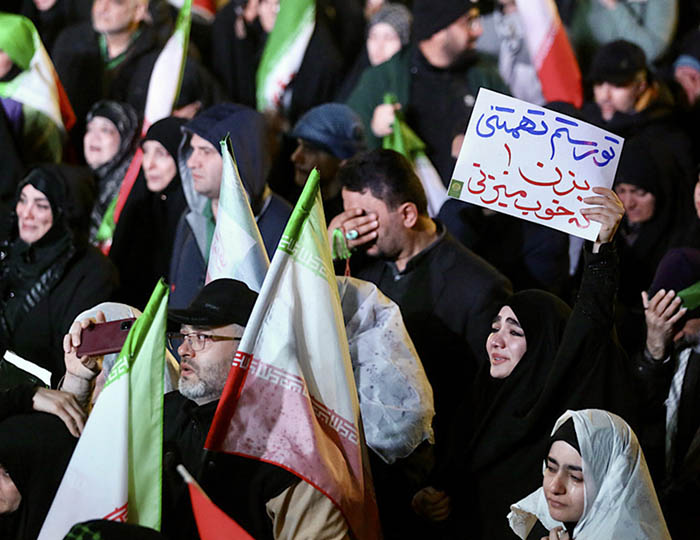
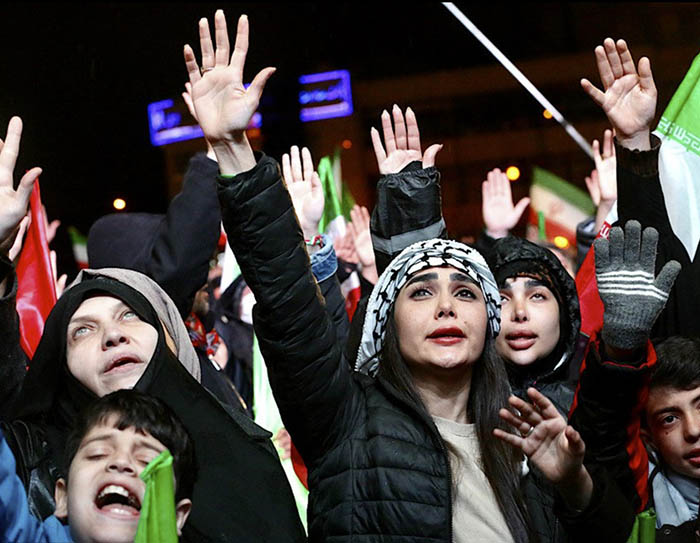
The visual dimension of nighttime gatherings is equally significant. The interplay of streetlights, vehicle headlights, and illuminated buildings creates a distinct atmosphere that shapes how people perceive and experience the city. In Vanak, the brightness of commercial signage and the reflective surfaces of modern architecture contribute to a sense of vibrancy, even during periods of uncertainty. This visual environment can influence behavior, encouraging people to linger, observe, and participate in the collective life of the street.
At the same time, it is important to recognize that nighttime gatherings in Tehran during wartime are not uniform in their meaning or intent. For some, they represent a form of quiet resilience, a way to maintain normalcy in the face of disruption. For others, they may carry more explicit political or social significance, reflecting concerns about governance, policy, or the broader direction of the country. In Vanak, these different motivations coexist, creating a layered and sometimes ambiguous atmosphere that defies simple categorization.
The historical context of Tehran’s urban development also plays a role in shaping contemporary patterns of gathering. Over the decades, the city has expanded rapidly, incorporating new neighborhoods and infrastructure while retaining elements of its older layout. This blend of old and new is particularly evident in areas like Vanak, where modern developments stand alongside more traditional spaces. The resulting urban fabric provides multiple settings for interaction, from wide boulevards to smaller side streets, each offering different levels of visibility and engagement.
March 29, 2026 | 7:36 pm