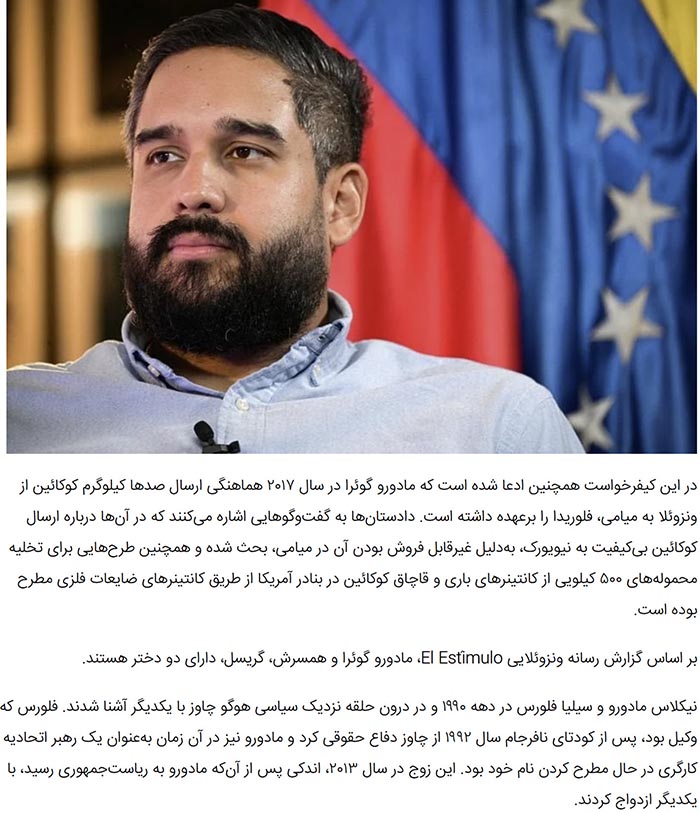
Nicolás Maduro Guerra: The Prince of Venezuelan Politics and His Controversial Legacy
Political Actions and Legislative Influence
Nicolás Maduro Guerra’s tenure in the National Assembly has been marked by a series of significant political actions that reflect both his loyalty to his father’s regime and his ambitions within the Venezuelan political landscape. As a member of the assembly, he has been involved in various legislative initiatives aimed at consolidating power for the Maduro administration and countering opposition efforts.
One of the key aspects of Maduro Guerra’s political actions has been his support for laws that strengthen the government’s control over the economy and society. In a country grappling with hyperinflation, food shortages, and widespread poverty, these legislative measures have often been controversial. Critics argue that such laws prioritize the interests of the ruling elite while neglecting the needs of ordinary Venezuelans.
Maduro Guerra has also been vocal in defending the government’s response to protests and dissent. He has framed these actions as necessary to maintain stability and protect the sovereignty of Venezuela against foreign intervention. This narrative resonates with segments of the population who view the government as a bulwark against imperialism, particularly in light of U.S. sanctions and diplomatic pressure.
The Role of the Maduro Family in Venezuelan Politics
The Maduro family, particularly Nicolás Maduro Guerra, plays a crucial role in the continuity of the Chavista movement. The legacy of Hugo Chávez, the founder of this socialist ideology, looms large over Venezuelan politics, and Maduro Guerra’s actions are often seen as an extension of his father’s policies and vision.
As the only son of Nicolás Maduro, Maduro Guerra represents a new generation of Chavistas who are tasked with carrying forward the ideals of the movement. His public statements often invoke the memory of Chávez, emphasizing the need to uphold the principles of socialism and resist external pressures. This connection to Chávez’s legacy is a powerful tool for mobilizing support among loyalists and reinforcing the narrative of resistance against imperialism.
However, the Maduro family’s political dynasty has also faced significant challenges. The ongoing economic crisis, coupled with widespread discontent among the populace, has led to a decline in support for the regime. Maduro Guerra’s ability to navigate these challenges and maintain the loyalty of Chavistas will be critical for the future of the movement.
January 7, 2026 | 5:20 amMore stories
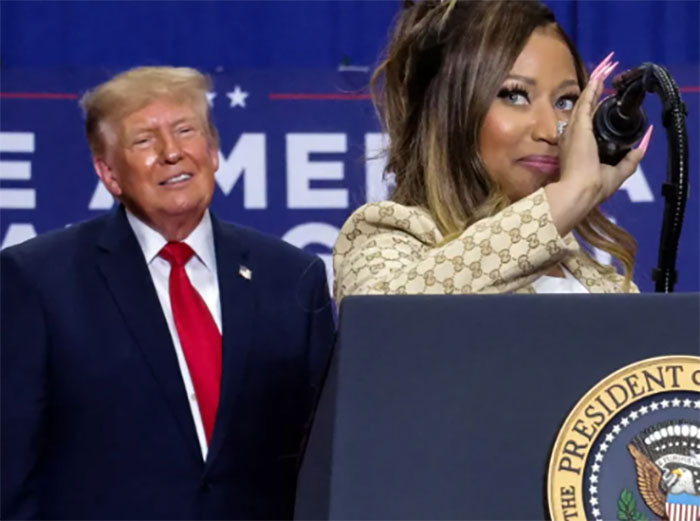
Nicki Minaj: Childhood, Real Name, Age, Family, Husband, Songs, Albums and Rise to Global Fame
Introduction Nicki Minaj biography: Nicki Minaj is one of the most recognizable female rappers in the world, celebrated for her … Continue reading ➝
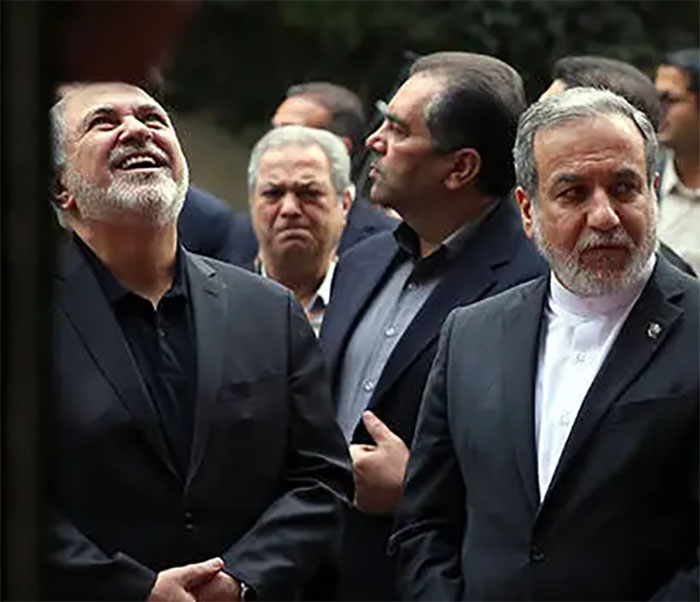
Mohammad Javad Zarif and Abbas Araghchi Attend Ceremony Honoring Kamal Kharrazi in Tehran
Introduction A commemorative ceremony honoring Seyyed Kamal Kharrazi was held in Tehran, bringing together several prominent figures associated with Iran’s … Continue reading ➝

Sarah Shahi at the 2026 Emmy Awards: Red Carpet Appearance, Fashion Details and Shoe Close-Up
Introduction Sarah Shahi was among the celebrities photographed at the 78th Primetime Emmy Awards on September 14, 2026, in Los … Continue reading ➝
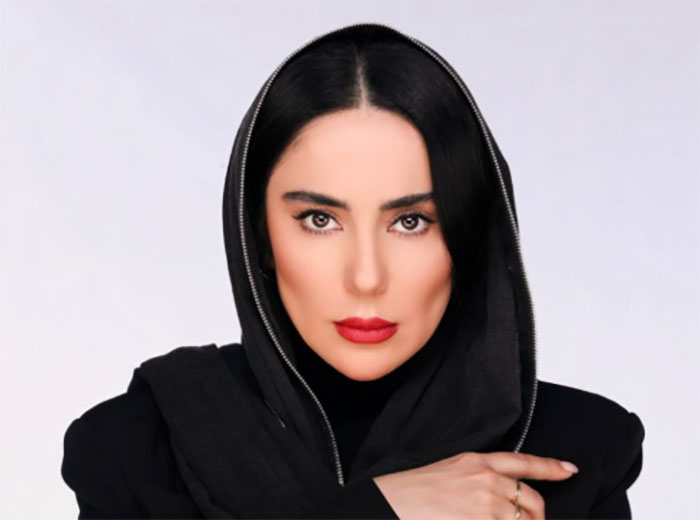
Sheida Yousefi: TV Shows, Noon Kh, Savushun and Personal Life
Introduction Sheida Yousefi is an Iranian actress known for her performances in television dramas, Iranian cinema and home video network … Continue reading ➝
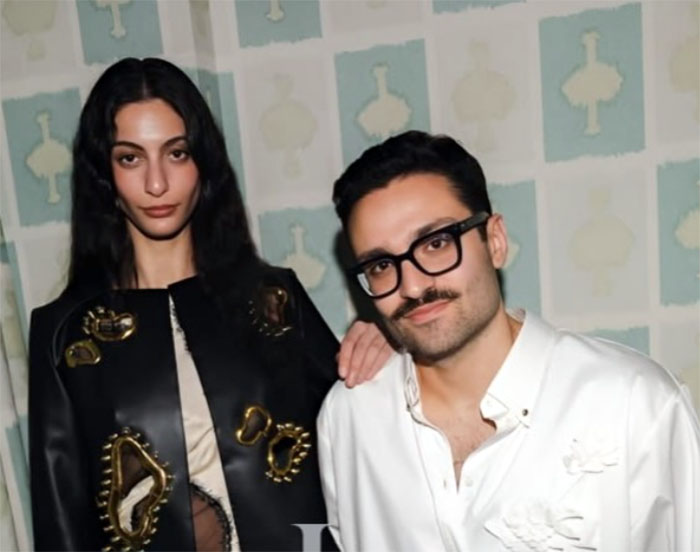
Amir Taghi Brings Heritage and Asiatic Cheetah Inspiration to Vogue’s 2026 Sustainable Fashion Challenge
a Introduction Iranian-American fashion designer Amir Taghi has brought Iranian cultural heritage into the international fashion conversation through a striking … Continue reading ➝