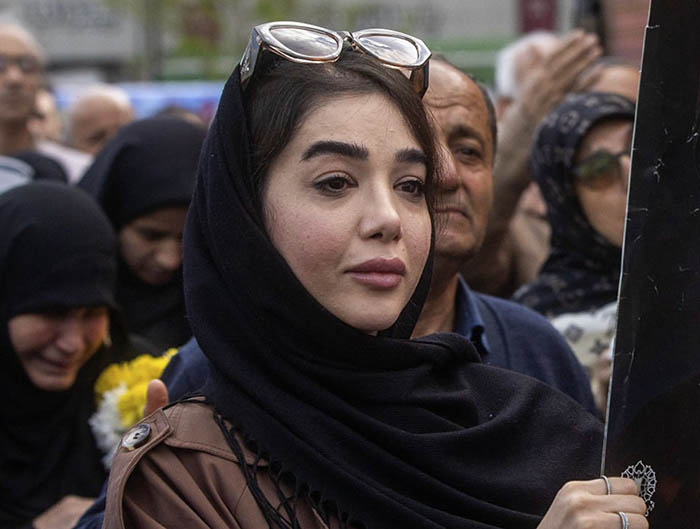
The First Seconds of Occupation: Niavaran Palace Under the Shadow of Revolution
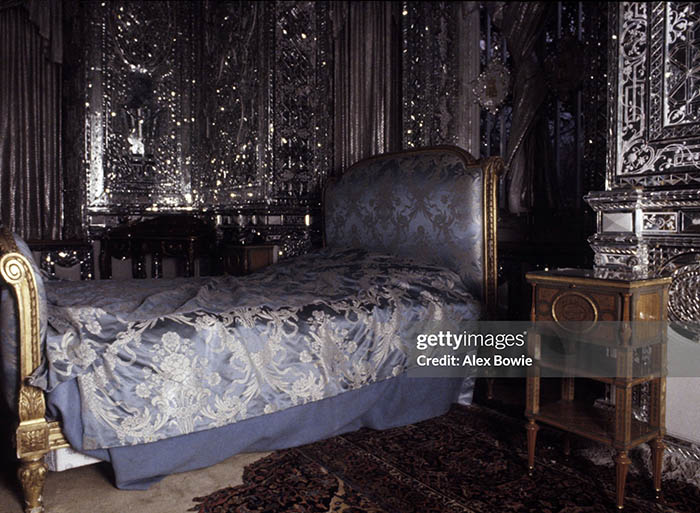
Conclusion: The End of an Era, the Dawn of a New One
The first seconds of occupation at Niavaran Palace encapsulate a pivotal moment—a confluence of symbols, memories, and aspirations. From the gilded telephones of the Shah’s desk to the striking portrait of Farah Diba by Andy Warhol, each artifact bears witness to a regime’s final breath and the emergence of revolutionary Iran.
This transition was not merely physical but deeply symbolic, marking the end of monarchy and the dawn of a new political, social, and cultural era. The palace, once a bastion of imperial power, would soon be transformed into a museum—preserving the history of Iran’s revolutionary upheaval and the echoes of its imperial past.
The End of an Era and the Dawn of a New Chapter
The first seconds of occupation at Niavaran Palace encapsulate a profound moment in Iran’s history—a turning point that signified the end of the monarchy’s reign and the rise of revolutionary Iran. The artifacts, artworks, and spaces within the palace bore silent witness to this transition, their symbolic meanings shifting in the crucible of history.
From the gilded telephones that once connected royal commands to the striking portrait of Farah Diba by Warhol, each element reflected the complexity of Iran’s revolutionary moment. It was a time of upheaval, loss, hope, and transformation—a moment etched into the collective memory of a nation.
As the palace was transformed from a symbol of imperial power into a museum of revolutionary history, it served as a reminder that history is ever-changing—its symbols, its stories, and its people continuously reshaped by the tides of time.