Niavaran Palace: A Historic Heritage Under Preservation
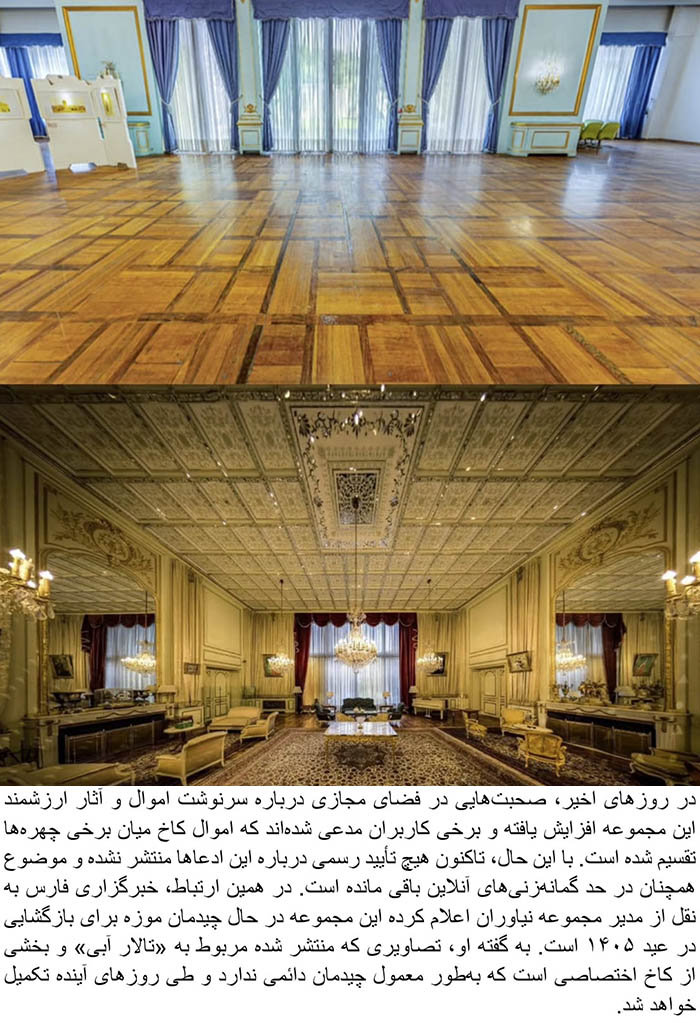
Niavaran Palace, a symbol of Iran’s rich cultural and historical heritage, continues to captivate visitors and historians alike. Located in the northern suburbs of Tehran, this majestic royal complex has witnessed Iran’s political upheavals, cultural transformations, and architectural innovations over centuries. Recently, images of Niavaran Palace have been circulated widely on social media, showcasing the grandeur of its halls before and after evacuation and renovation efforts.
In this comprehensive guide, we delve into the history of Niavaran Palace, explore the recent developments, and examine the ongoing preservation protocols. We also analyze the social and political implications of recent rumors about asset divisions, the official statements from Iranian cultural authorities, and the future prospects for this iconic site. Whether you are a history enthusiast, a tourist planning to visit Iran, or a researcher in cultural heritage preservation, this article provides detailed insights into one of Iran’s most treasured landmarks.
Origins and Architectural Heritage
Niavaran Palace was originally constructed in the 1960s as a summer residence for the last Shah of Iran, Mohammad Reza Pahlavi. Designed by prominent Iranian architects, the palace features a blend of traditional Persian architecture and modern design elements, making it a unique cultural monument. Its sprawling complex includes several buildings, lush gardens, and artistic collections, reflecting Iran’s royal history and artistic achievements.
Notable Events and Figures
Throughout its history, Niavaran Palace has been the scene of numerous historic moments—hosting state dinners, diplomatic meetings, and cultural ceremonies. It served as the last residence of the Shah before the Iranian Revolution of 1979, marking its significance as a symbol of Iran’s monarchical era. The palace’s extensive art collections, including priceless Persian carpets, calligraphy, and paintings, are integral parts of Iran’s cultural heritage.
Architectural Features
The palace complex boasts a combination of traditional Persian elements such as intricate tile work and symmetrical courtyards alongside modernist features like glass facades and open-plan interiors. The “Blue Hall,” one of the most iconic sections, exemplifies this fusion of styles and remains a focal point for visitors and historians.
February 27, 2026 | 2:40 am