Top 11 Highlights of the Nasrallah International Conference 2024
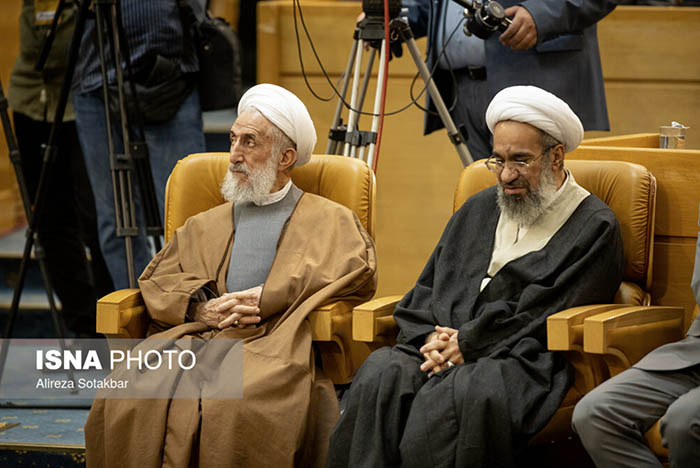
Continued Dialogue: Impacts of the Zarif-Qaani Meeting
The interaction between Javad Zarif and Ismail Qaani at the “Nasrallah School” conference has far-reaching implications for Iran’s foreign policy and military engagement strategies, particularly in the context of ongoing tensions with Western powers and regional adversaries. Their discussions illuminated several critical pathways that could shape Iran’s responses to international challenges in the short and long term.
Fostering Internal Cohesion
One of the key takeaways from the Zarif-Qaani meeting was the emphasis on internal cohesion. By presenting a united front that encapsulates both military and diplomatic perspectives, Iran can bolster its national identity and resilience against foreign threats. The notion of a unified leadership that includes military generals and diplomatic officials can serve to reassure the Iranian populace that their leadership is committed to both security and progress. This cohesion is vital in creating a strong narrative around national interests, allowing citizens to feel empowered rather than isolated in the face of external pressures.
Navigating U.S.-Iran Relations
Zarif and Qaani also touched upon the future of U.S.-Iran relations, given the historical conflicts and the tensions that have escalated since the United States withdrew from the JCPOA. Zarif’s approach advocates feasibility studies around diplomatic overtures, emphasizing dialogue as a critical tool for de-escalation. In contrast, Qaani stressed the importance of maintaining a credible deterrent—reinforcing the idea that Iran’s military capabilities act as a counterbalance to any potential aggression from the U.S. or its allies.
The dual approach indicates that while Iran is open to diplomatic negotiations, military readiness must be preserved to ensure that its sovereignty remains intact. Their joint message suggests that Iran will not compromise its core security interests, even as it seeks to engage with international stakeholders to achieve broader goals.
The Role of Regional Alliances
During their discussions, the importance of regional alliances, particularly with groups that share strategic visions such as Hezbollah, was elucidated. Both leaders recognized that ongoing conflicts in Syria, Yemen, and Iraq present opportunities and challenges for Iranian influence. Zarif spoke about the importance of dialogue with neighboring countries to foster stability through mutual respect and shared interests.
Qaani, on the other hand, pointed to the battlefield successes of Iranian-supported groups as examples of effective military strategy. The synergy between diplomacy and military action could empower these groups, allowing them to play significant roles not only in regional stability but also in amplifying Iran’s influence in the Middle East.
More stories
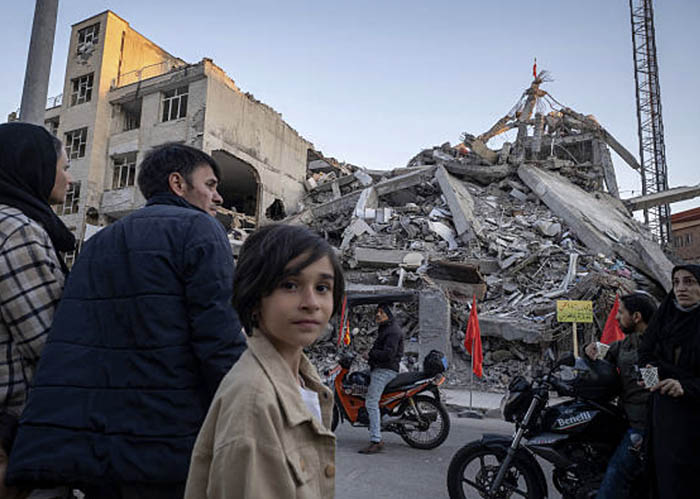
The Islamic Republic’s Instrumental Misuse of War Ruins: Propaganda
Introduction In the aftermath of the March 9 military strikes attributed to joint U.S.-Israeli operations, parts of residential Tehran were … Continue reading ➝
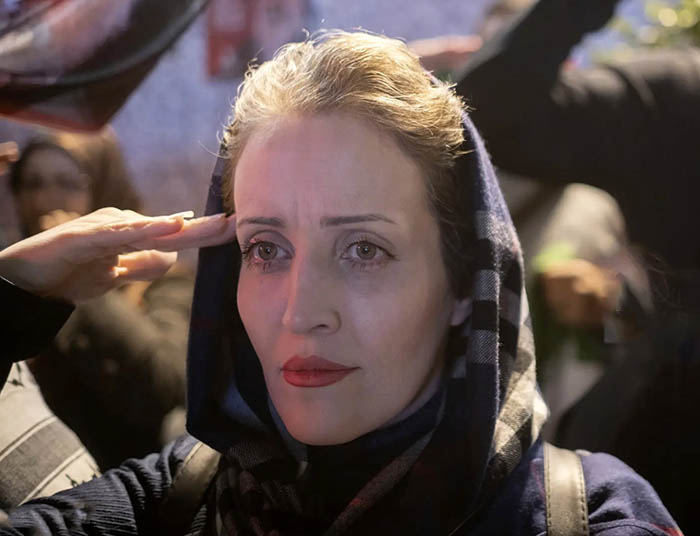
Iran Funeral Ceremony 2026: Rising Tensions After Killing of IRGC Intelligence Chief Majid Khademi
Introduction The funeral ceremony of Majid Khademi, the head of the Islamic Revolutionary Guard Corps (IRGC) Intelligence Organization, has become … Continue reading ➝
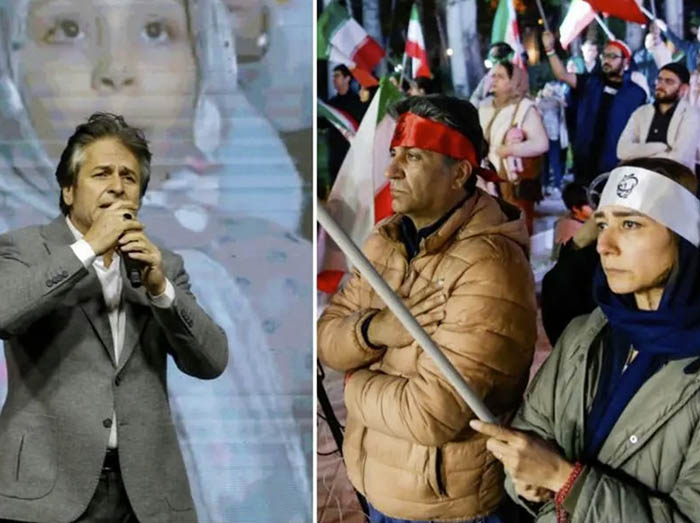
Tajik and Zanko Street Concert in Ferdows Garden: A Powerful Musical Tribute
Introduction On the evening of Tuesday, 18 Farvardin 1405, Ferdows Garden became the heart of an unforgettable cultural moment in … Continue reading ➝
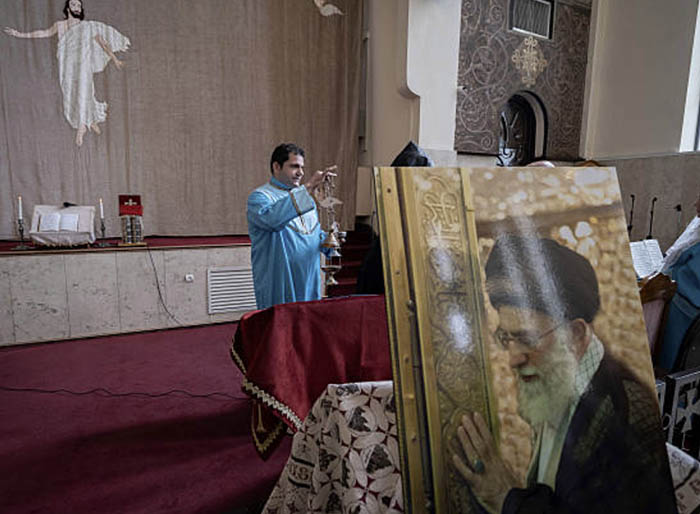
Prayer Ceremony for Late Supreme Leader Ali Khamenei, The bloodthirsty dictator Amid Ceasefire Tensions
Introduction The death of Ali Khamenei on April 8, 2026, has sent shockwaves across Iran and the wider Middle East, … Continue reading ➝
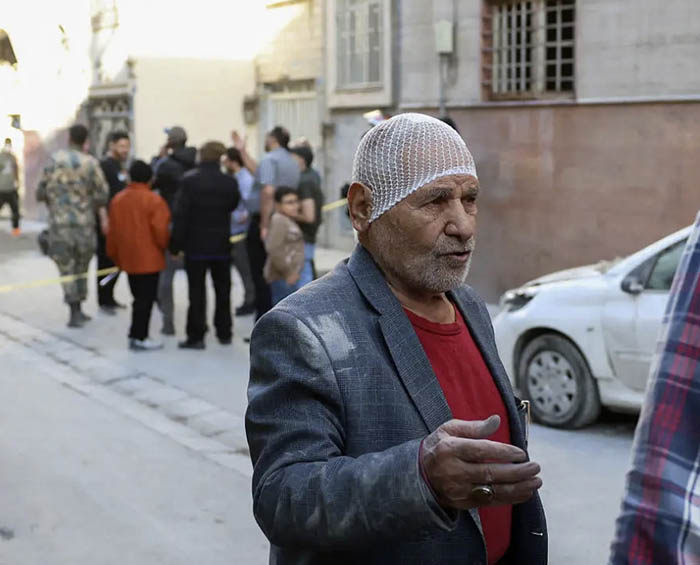
Israeli-American Strikes in Tehran 2026: Synagogue Destroyed Amid Escalating War
Introduction The ongoing conflict between Iran, Israel, and the United States has reached a devastating new chapter. On April 7, … Continue reading ➝