Top 11 Highlights of the Nasrallah International Conference 2024

Implications for Future Policies
The dialogue between Zarif and Qaani particularly signifies an emerging strategy that respects the distinct roles of both military and diplomatic endeavors in shaping Iran’s future. This collaborative approach may offer both immediate and long-term benefits, helping to navigate through crises while upholding Iranian interests at home and abroad.
- Towards a Multifaceted Approach: The meeting underscored the necessity of developing a multifaceted operational framework where diplomacy and military action are not seen in isolation. Each can reinforce the other, creating a comprehensive strategy that strengthens Iran’s position in ongoing negotiations while ensuring security on its borders.
- Engagement with International Powers: Both Zarif and Qaani recognized the importance of unbiased engagement with global powers and regional partners. Their discussions hinted at the potential for negotiations that take into account the interests of all parties involved, while firmly advocating for Iran’s security and influence.
- Inspiring Future Generations: This meeting also served as a model for future leaders in Iran, illustrating the necessity of understanding the complexities of modern governance where military might does not overshadow the importance of diplomacy. The legacy of Nasrallah, which both leaders sought to honor, encourages a new generation of Iranian leaders to embrace both roles—those of soldiers and diplomats—in service of the nation.
- Broader Regional Ties: As Iran continues to navigate its role in the Middle East, the contributions of both Zarif and Qaani can guide efforts to forge stronger alliances with like-minded nations and groups in the region. This conference helped reinforce the narratives and frameworks that Nasrallah championed, promoting solidarity among those who share similar goals against external pressures.
More stories
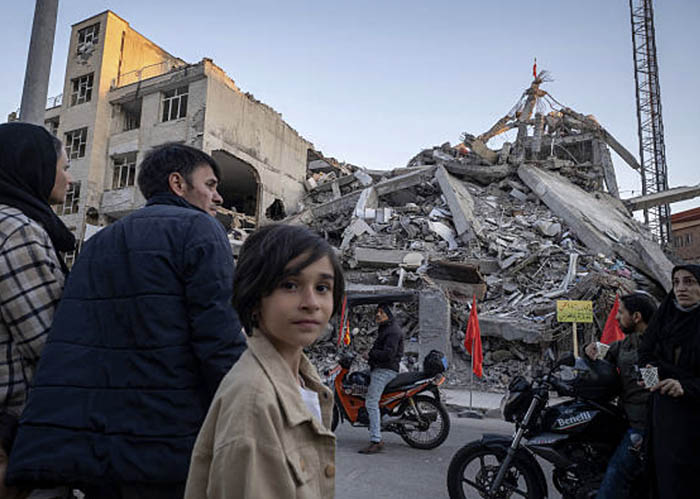
The Islamic Republic’s Instrumental Misuse of War Ruins: Propaganda
Introduction In the aftermath of the March 9 military strikes attributed to joint U.S.-Israeli operations, parts of residential Tehran were … Continue reading ➝
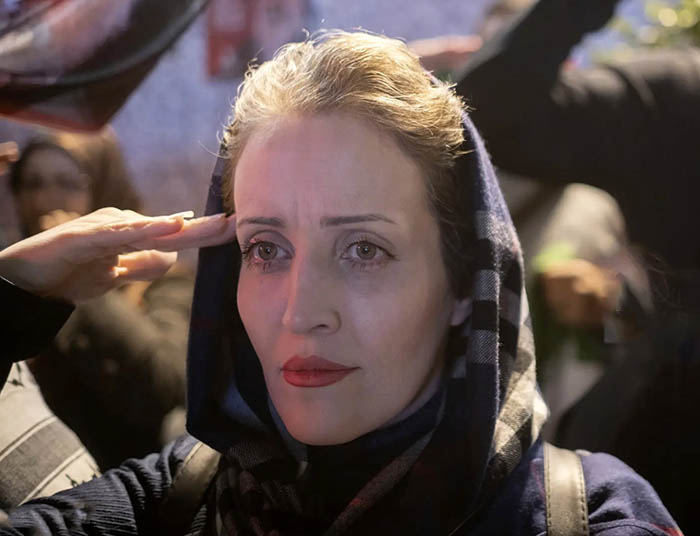
Iran Funeral Ceremony 2026: Rising Tensions After Killing of IRGC Intelligence Chief Majid Khademi
Introduction The funeral ceremony of Majid Khademi, the head of the Islamic Revolutionary Guard Corps (IRGC) Intelligence Organization, has become … Continue reading ➝
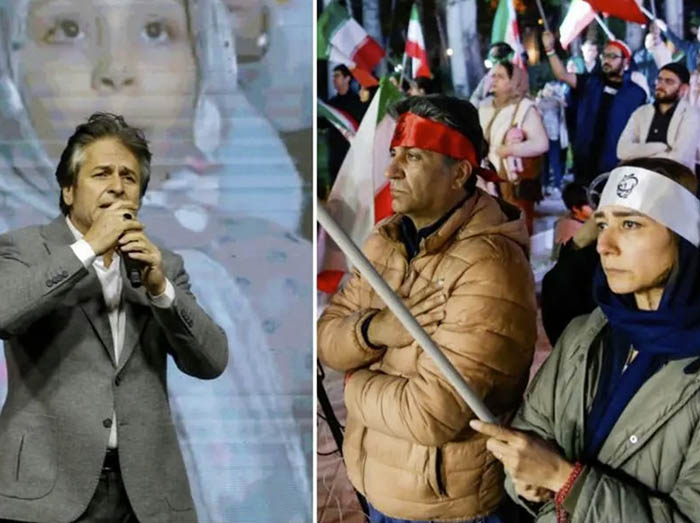
Tajik and Zanko Street Concert in Ferdows Garden: A Powerful Musical Tribute
Introduction On the evening of Tuesday, 18 Farvardin 1405, Ferdows Garden became the heart of an unforgettable cultural moment in … Continue reading ➝
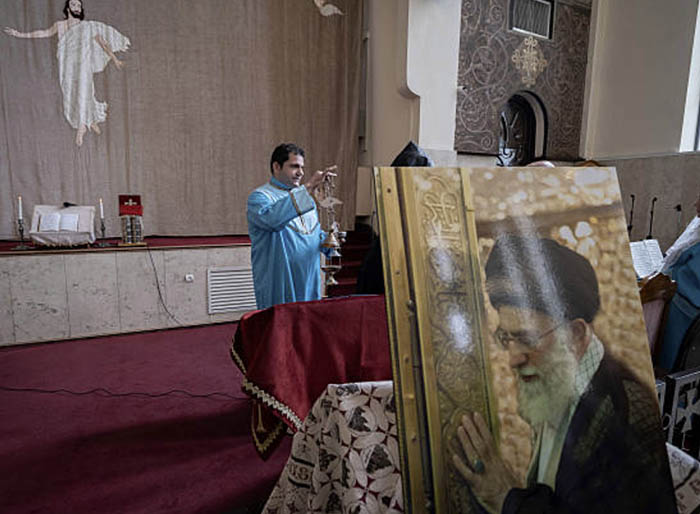
Prayer Ceremony for Late Supreme Leader Ali Khamenei, The bloodthirsty dictator Amid Ceasefire Tensions
Introduction The death of Ali Khamenei on April 8, 2026, has sent shockwaves across Iran and the wider Middle East, … Continue reading ➝
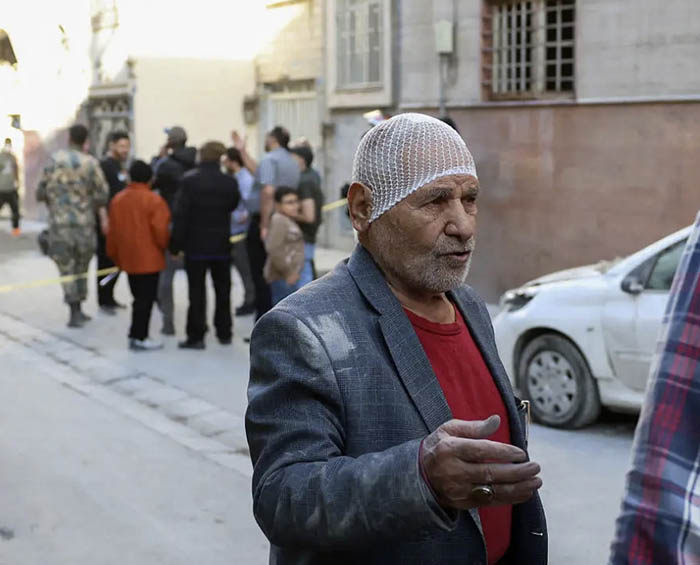
Israeli-American Strikes in Tehran 2026: Synagogue Destroyed Amid Escalating War
Introduction The ongoing conflict between Iran, Israel, and the United States has reached a devastating new chapter. On April 7, … Continue reading ➝