Movement 2025: Reza Pahlavi’s Leadership and the Growing Support for Democracy
Introduction
Iran’s political landscape is at a pivotal juncture in 2025. As international tensions escalate, the Iranian opposition, led by exiled figures like Reza Pahlavi, is gaining momentum. With over 50,000 defectors registered on secure platforms and a diverse coalition rallying support, the movement for regime change in Iran is more vibrant than ever. This comprehensive analysis explores Iran’s current crisis, the role of Reza Pahlavi, the legacy of the monarchy, and the prospects for a democratic future.
The Current Political Crisis in Iran
Iran’s Political Landscape in 2025
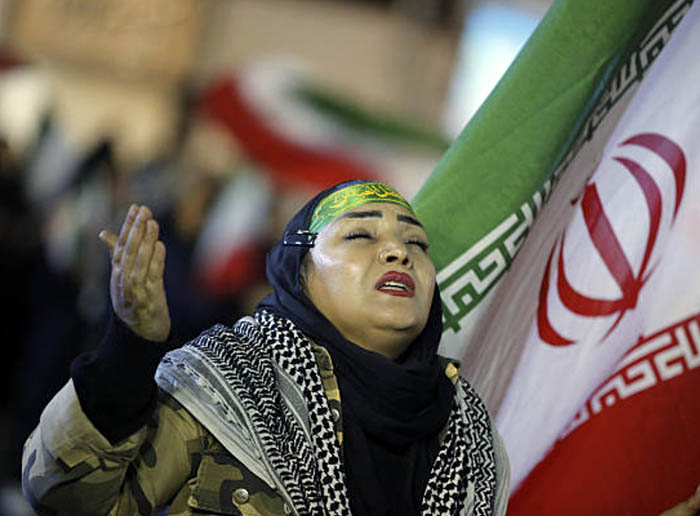
Iran has long been characterized by a complex political system dominated by theocratic rule under Supreme Leader Ali Khamenei. The regime maintains control through a rigid hierarchy involving the Islamic Revolutionary Guard Corps (IRGC), intelligence agencies, and conservative clerics.
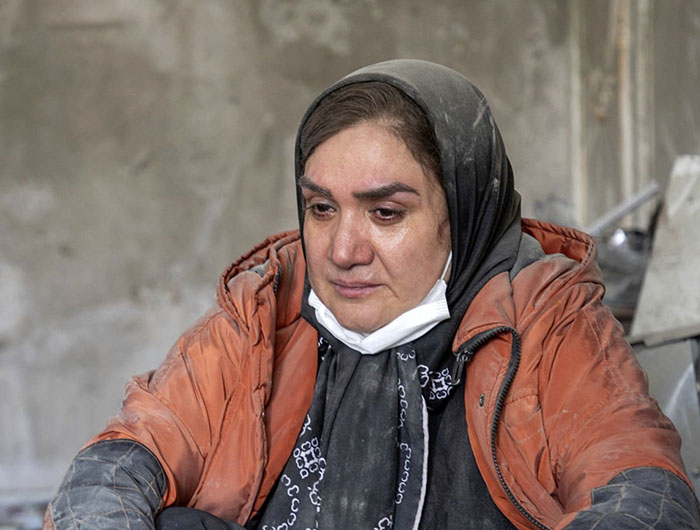
Despite efforts to project stability, Iran faces mounting internal dissent. Economic hardship, political repression, and social unrest have fueled protests, especially among Iran’s youth and marginalized communities. The death of Mahsa Amini in 2022 sparked nationwide protests, which evolved into a broader movement demanding political reform and regime change.
International Tensions and Nuclear Diplomacy
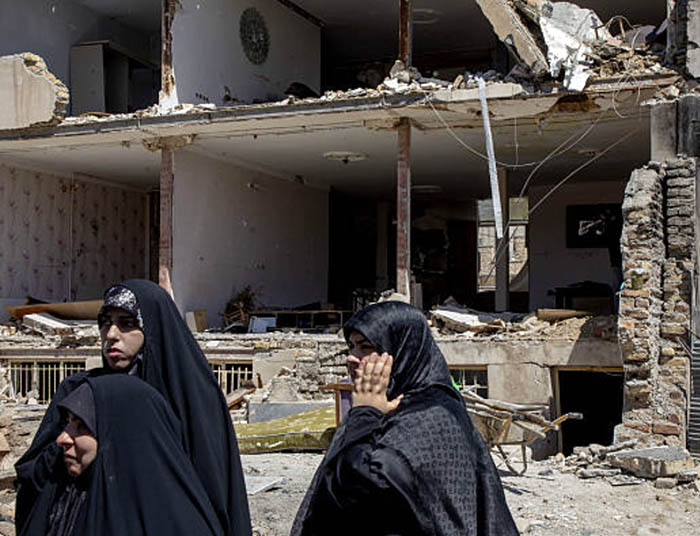
Iran’s nuclear program remains a contentious international issue. Negotiations with European powers aimed at reviving the JCPOA (Joint Comprehensive Plan of Action) have faced setbacks. The U.S. and Israel’s military strikes on Iran’s military and nuclear sites in June 2025 have heightened regional tensions, complicating diplomatic efforts and intensifying Iran’s isolation.
Economic Challenges and Sanctions
Iran’s economy is under severe strain due to international sanctions targeting its oil industry, banking sector, and military capabilities. Inflation rates are soaring, unemployment is high, and basic goods are scarce. These economic hardships have further eroded public confidence in the regime.