The Life and Legacy of Mohsen Rafighdoost: A Key Figure in Revolutionary Guards
Rafighdoost’s Political Connections
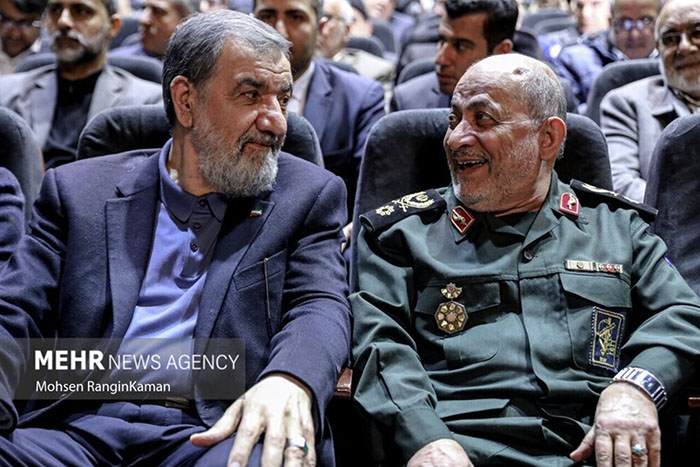
Mohsen Rafighdoost is not only known for his military and business endeavors; he also embodies the deep political connections that shape Iranian governance. As a member of the Islamic Coalition Party, he has remained active in conservative political circles, influencing decisions within the overarching political structure of the Islamic Republic.
His interactions with key political figures, including Supreme Leader Ali Khamenei, have allowed him to maintain relevance within the political arena. Rafighdoost’s perceived loyalty to Iran’s conservative leadership has made him a significant figure, especially during pivotal political transitions.
The Islamic Coalition Party itself represents a coalition of various conservative factions within Iran. Rafighdoost’s position as a senior member allows him to influence the party’s policy direction and its strategies, especially during elections and critical decisions. His network and status often serve as a bridge between established military power and political maneuvering.
Reflections on Modern Iranian Society
Rafighdoost’s life reflects broader trends within Iranian society, particularly concerning socio-economic stratification and the relationship between the state and private enterprise. His journey from a bazaari upbringing to a high-ranking military officer and businessman illustrates the possibilities of social mobility within the Revolutionary framework, though it also raises critiques regarding wealth distribution and corruption.
In Iran, wealth often flows to those connected to the political elite, leading to a significant gap between average citizens and influential figures within the regime. This socio-economic disparity feeds into the discontentment that some segments of the population feel towards the government. Rafighdoost’s own claims of normalcy in wealth contrast with the realities faced by many ordinary Iranians, who grapple with economic challenges and limited opportunities.
Additionally, Rafighdoost’s comments and actions throughout his career often underscore the tension between modernization and traditional values in Iran. His advocacy for defense measures during the Iran-Iraq War, including acquiring weapons, reflects a prioritization of security that resonates with many conservative Iranians wary of external threats. At the same time, his business ventures in modern industries showcase the potential for economic development within the framework of Islamic principles.
February 25, 2025 | 8:05 pmMore stories
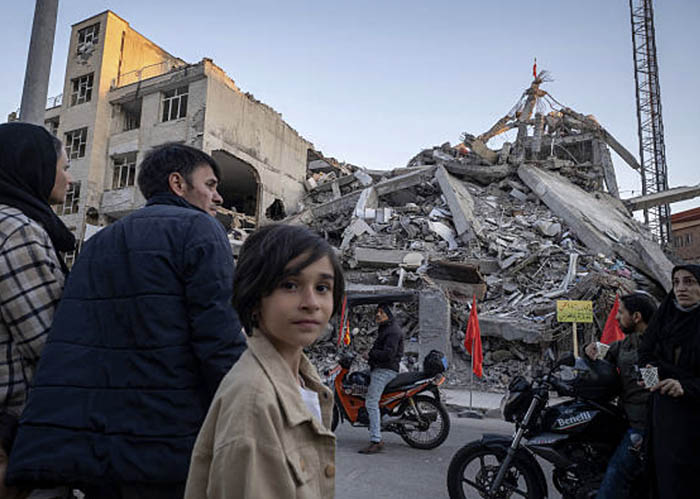
The Islamic Republic’s Instrumental Misuse of War Ruins: Propaganda
Introduction In the aftermath of the March 9 military strikes attributed to joint U.S.-Israeli operations, parts of residential Tehran were … Continue reading ➝
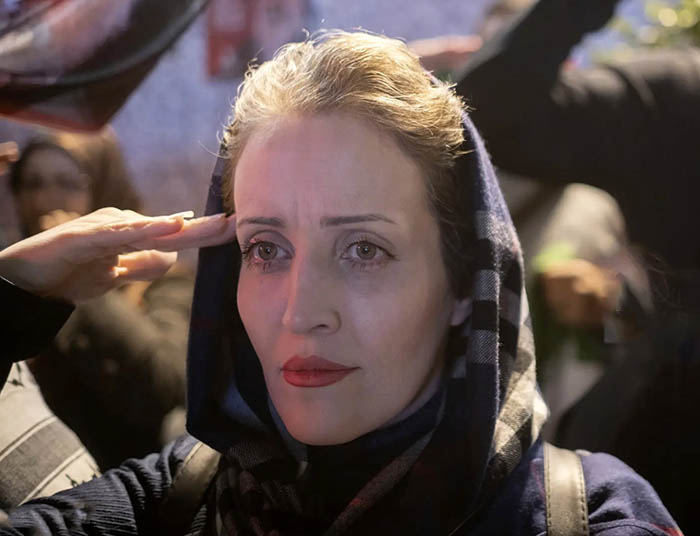
Iran Funeral Ceremony 2026: Rising Tensions After Killing of IRGC Intelligence Chief Majid Khademi
Introduction The funeral ceremony of Majid Khademi, the head of the Islamic Revolutionary Guard Corps (IRGC) Intelligence Organization, has become … Continue reading ➝
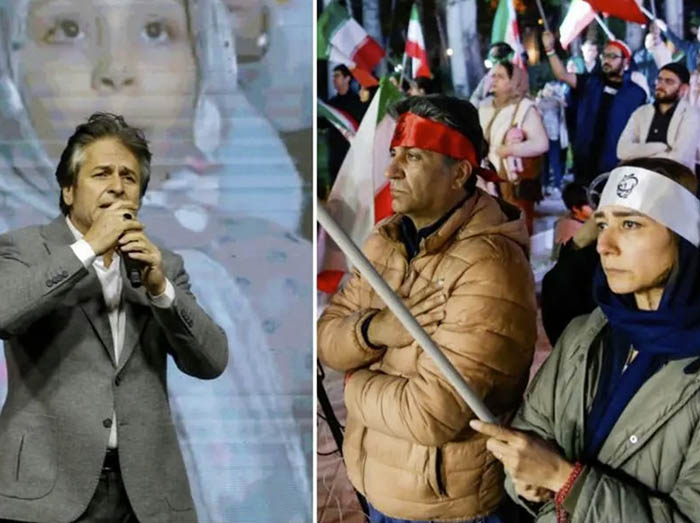
Tajik and Zanko Street Concert in Ferdows Garden: A Powerful Musical Tribute
Introduction On the evening of Tuesday, 18 Farvardin 1405, Ferdows Garden became the heart of an unforgettable cultural moment in … Continue reading ➝
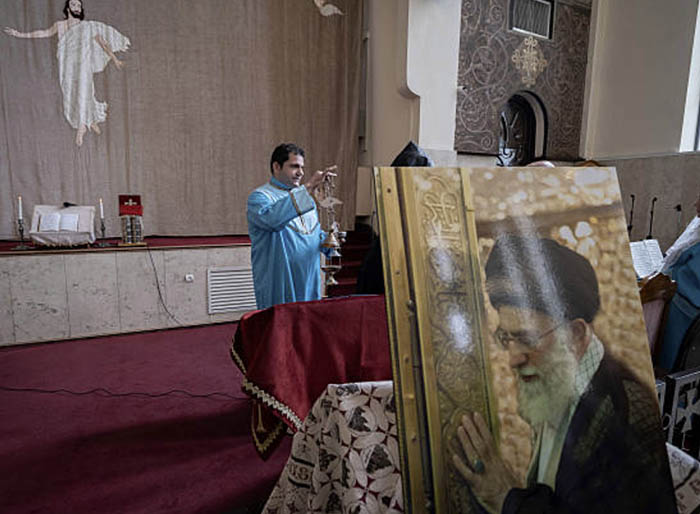
Prayer Ceremony for Late Supreme Leader Ali Khamenei, The bloodthirsty dictator Amid Ceasefire Tensions
Introduction The death of Ali Khamenei on April 8, 2026, has sent shockwaves across Iran and the wider Middle East, … Continue reading ➝
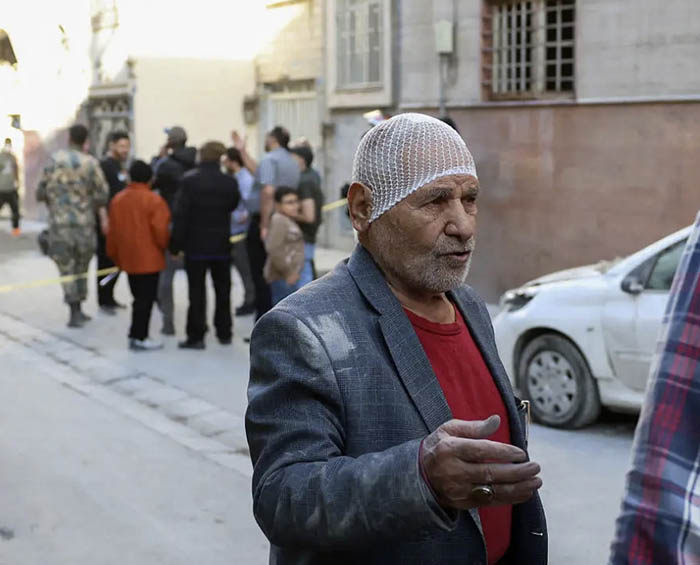
Israeli-American Strikes in Tehran 2026: Synagogue Destroyed Amid Escalating War
Introduction The ongoing conflict between Iran, Israel, and the United States has reached a devastating new chapter. On April 7, … Continue reading ➝