Mohsen Makhmalbaf: The Filmmaker’s Journey from Ideological Cinema to Global Recognition
Transition from Ideological to Artistic Cinema
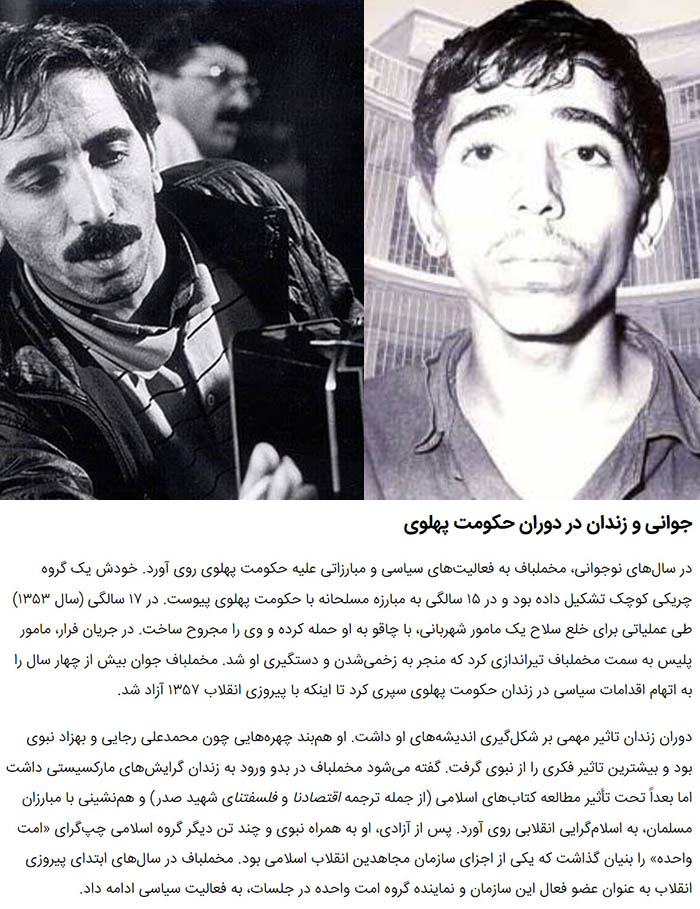
During the early years after the 1979 Iranian Revolution, Mohsen Makhmalbaf was known for his extreme ideological stance. He believed cinema should serve revolutionary purposes, banning pre-revolutionary films and condemning Western cultural influences. His early works, like Tobeh Nasuh (1982), were religiously themed and instructive, aimed at promoting Islamic values.
However, by the mid-1980s, Makhmalbaf’s cinematic approach began to shift. Influenced by international cinema and his own evolving worldview, he started to incorporate social realism and humanistic themes into his films. This transition marked the beginning of his status as a filmmaker capable of blending ideology with artistic expression.
Iconic Films of Mohsen Makhmalbaf: From The Bicycle Runner to Gabbeh
Makhmalbaf’s filmography is a testament to his artistic versatility. His breakthrough film, The Bicycle Runner (1988), tells the poignant story of an Afghan refugee navigating hardship—a film acclaimed for its poetic depiction of human resilience. This film established him on the international stage, earning awards at festivals such as Hawaii International Film Festival and Rimini Film Festival.
Other notable works include Gabbeh (1996), which explores Iran’s nomadic culture through vibrant visuals and storytelling, and Kandahar (2001), a gripping narrative about Afghan women under Taliban rule. His films often combine realism with poetic symbolism, capturing Iranian society’s complexities and the universal human condition.
November 8, 2025 | 4:52 pm