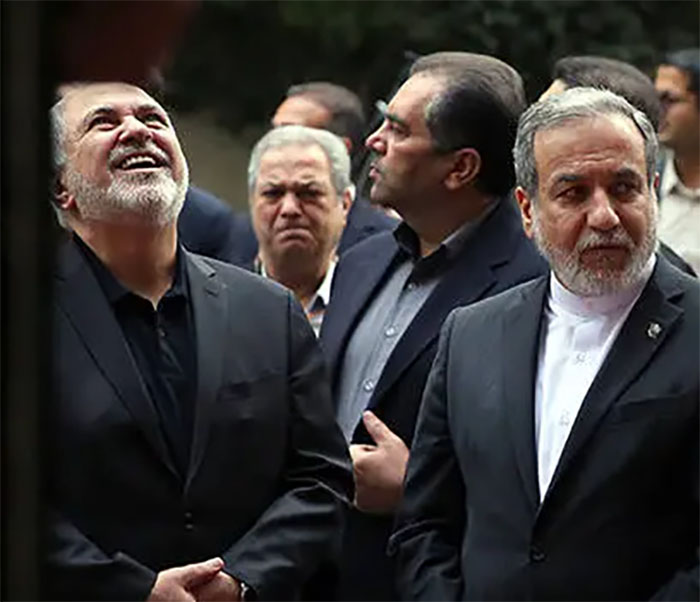
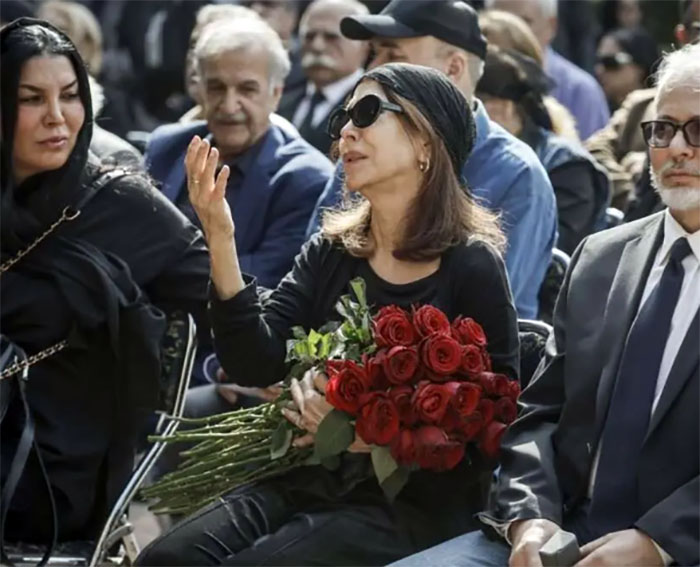
Mohammad Javad Zarif and Abbas Araghchi Attend Ceremony Honoring Kamal Kharrazi in Tehran
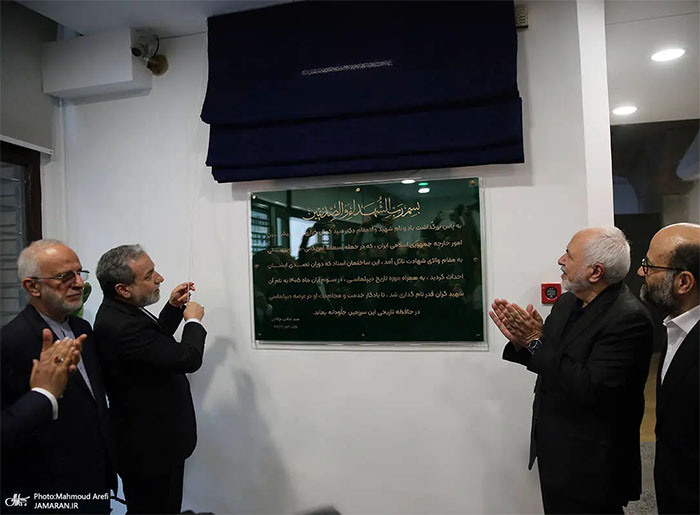
Additional Background: The Role of Iran’s Foreign Ministers in Shaping Diplomatic Relations
Iran’s foreign ministers have played a central role in communicating the country’s foreign policy priorities, maintaining diplomatic channels, and representing the government in negotiations with international partners. The ceremony honoring Seyyed Kamal Kharrazi brings renewed attention to the individuals who have contributed to this history and the institutions responsible for preserving their records.
Kharrazi’s tenure as foreign minister from 1997 to 2005 covered a period of significant political and diplomatic developments. His work took place during the presidency of Mohammad Khatami, whose administration promoted dialogue with the international community while confronting disagreements over regional security, nuclear policy, and Iran’s relations with Western governments.
The diplomatic landscape subsequently changed under later administrations. Different foreign ministers faced distinct international circumstances, including disputes over Iran’s nuclear program, economic sanctions, regional conflicts, and negotiations aimed at reducing tensions.
Mohammad Javad Zarif became one of the most internationally recognizable figures in Iran’s diplomatic establishment through his involvement in the negotiations that culminated in the 2015 nuclear agreement. Abbas Araghchi also developed extensive experience in nuclear diplomacy and international negotiations.
Their participation in a ceremony honoring Kharrazi places the event within this broader institutional history. It also highlights the value of documenting the experiences of officials who have served at different stages of Iran’s diplomatic engagement.
From the Khatami Administration to Contemporary Iranian Diplomacy
The presidency of Mohammad Khatami, which began in 1997, was associated with efforts to improve Iran’s international engagement and promote dialogue between civilizations. During this period, Iran pursued diplomatic contacts with several countries while continuing to face significant disagreements over security and regional policy.
Kharrazi’s service as foreign minister coincided with these developments. The Ministry of Foreign Affairs was responsible for communicating the government’s positions, conducting bilateral discussions, and representing Iran in multilateral institutions.
The period also illustrated the challenges facing Iranian diplomacy. Efforts to expand international engagement operated alongside disagreements over Iran’s regional role, relations with the United States, and concerns raised by other governments.
Understanding this historical context helps explain why the careers of former foreign ministers remain relevant to discussions of Iran’s political and diplomatic development.
The reopening of a documentation center and museum dedicated to Kharrazi offers an opportunity to preserve material associated with this period. If the institution provides access to archival records, it may also support researchers examining the relationship between domestic political changes and Iran’s foreign policy decisions.
Specific conclusions about the institution’s holdings or research activities should depend on information released by its administrators.
October 25, 2026 | 7:31 pm