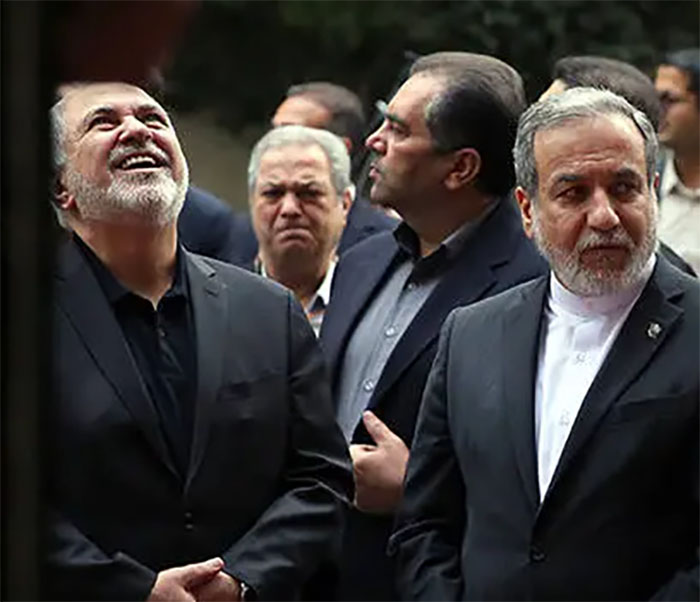
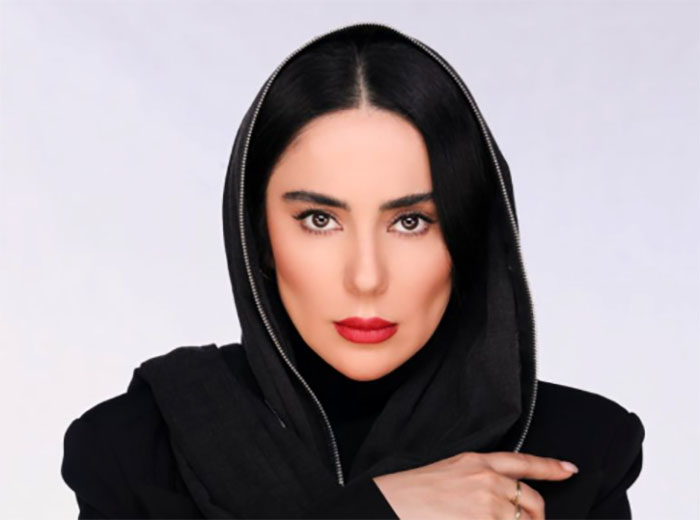
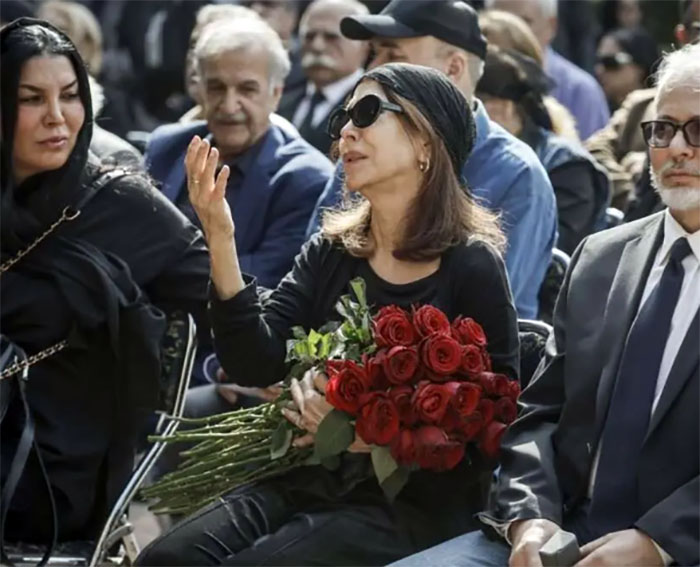
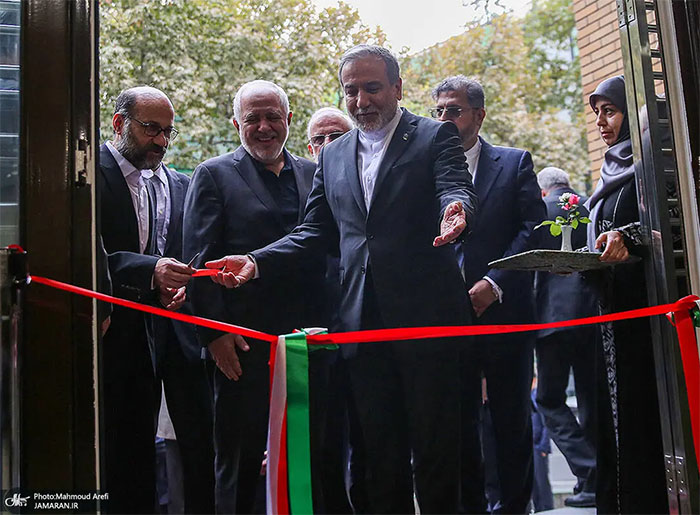
Mohammad Javad Zarif and Abbas Araghchi Attend Ceremony Honoring Kamal Kharrazi in Tehran
Mohammad Javad Zarif and the 2015 Nuclear Agreement
Mohammad Javad Zarif’s tenure as foreign minister is closely associated with the Joint Comprehensive Plan of Action, commonly known as the JCPOA.
The agreement was reached in July 2015 between Iran and the E3/EU+3 group, comprising China, France, Germany, Russia, the United Kingdom, the United States, and the European Union. It established restrictions and monitoring arrangements relating to Iran’s nuclear program in exchange for sanctions-related relief.
The negotiations required sustained diplomatic engagement, technical discussions, and coordination among governments with differing priorities. Zarif became a prominent public representative of Iran during this process.
The agreement subsequently faced serious challenges, particularly after the United States withdrew from it in 2018 and reimposed sanctions. Efforts to restore the agreement later encountered further obstacles.
Zarif’s diplomatic career therefore provides an important point of reference for understanding Iran’s contemporary international relations.
His appearance at the ceremony honoring Kharrazi should nevertheless be distinguished from the history of the nuclear negotiations. The event description does not establish that the gathering involved discussions about the JCPOA or any current negotiating initiative.
Abbas Araghchi’s Experience in International Negotiations
Abbas Araghchi has held several senior diplomatic responsibilities and has been involved in negotiations concerning Iran’s nuclear program.
His professional background connects diplomatic strategy with the technical and legal questions that arise in international negotiations. Nuclear diplomacy often requires governments to address verification procedures, sanctions, security concerns, and the interpretation of international commitments.
These negotiations involve more than public statements. They typically depend on specialist teams, detailed documentation, diplomatic communications, and repeated discussions among participating governments.
Araghchi’s attendance at the ceremony provides a connection between contemporary Iranian diplomacy and the historical contributions associated with Kharrazi.
The participation of former and current officials at commemorative events can help document institutional continuity, although the presence of several prominent figures does not necessarily indicate a common position on all foreign policy matters.
For readers following Abbas Araghchi, Mohammad Javad Zarif, and Iran’s foreign policy, the ceremony offers a newsworthy visual record of an occasion dedicated to diplomatic service and historical preservation.
October 25, 2026 | 7:31 pm