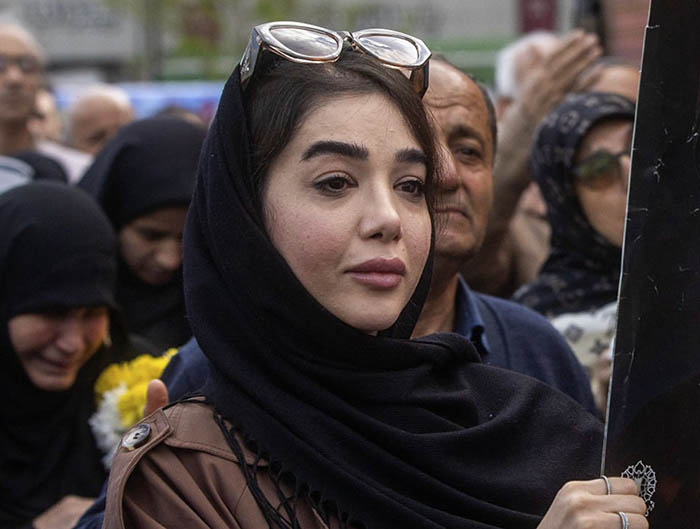
Memorial for Mahmoud Farshchian: Javad Zarif’s Unexpected Laughter Sparks Attention at Tehran Art Ceremony

Public Reactions and Media Coverage of Zarif’s Laughter
The unexpected laughter of Javad Zarif during the memorial ceremony for Mahmoud Farshchian quickly became a viral sensation across social media platforms, sparking a wide spectrum of reactions from the public, media analysts, and cultural commentators.
Social Media Responses
Within minutes of the incident, hashtags like #ZarifLaughter and #MemorialMoment trended on Twitter and Instagram. Users shared short clips of the moment, many expressing surprise and curiosity about the context. Some comments highlighted the human aspect of political figures, emphasizing that even prominent officials experience spontaneous emotional reactions.
Many users appreciated Zarif’s display of authenticity, interpreting his laughter as a sign of genuine emotion—perhaps a reflection of deep respect, nostalgia, or a humorous memory triggered during the event. Others speculated whether it was a relief from the weight of the occasion or a shared moment of levity amid solemnity.
Media Analysis
Iranian and international media outlets dissected the incident extensively. Some articles highlighted how such spontaneous moments humanize political figures, making them more relatable to the public. Others analyzed Zarif’s reaction within the broader context of Iran’s political and cultural landscape—discussing the tension between formality and genuine emotion.
In particular, some media commentators emphasized that Zarif’s laughter could symbolize a cultural nuance—an expression of warmth and humility not often visible in formal settings. Others cautioned against overinterpreting the moment, reminding audiences that spontaneous reactions are common in live events and may carry multiple meanings.
Cultural Significance of Emotional Spontaneity
The incident also reignited conversations about the importance of authentic emotional expression in public life. In Iranian culture, where decorum and formality often dominate official events, such spontaneous reactions can serve as a reminder of the human behind the public persona.
Psychologists and cultural analysts note that moments like Zarif’s laughter can foster a sense of connection and shared humanity, breaking down barriers between officials and citizens. They suggest that these moments can serve as subtle yet powerful symbols of cultural authenticity and emotional depth.
August 26, 2025 | 11:26 amMore stories
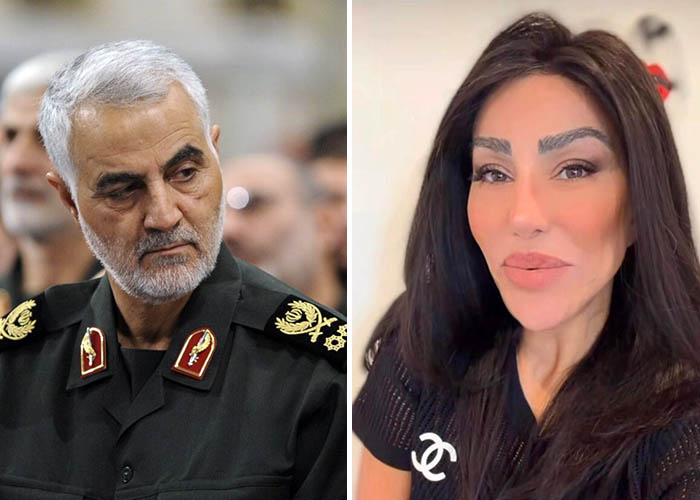
US State Department Arrests Relative of Qassem Soleimani: Immigration Crackdown, National Security Concerns
Introduction The recent announcement by the United States Department of State regarding the arrest and revocation of permanent residency for … Continue reading ➝
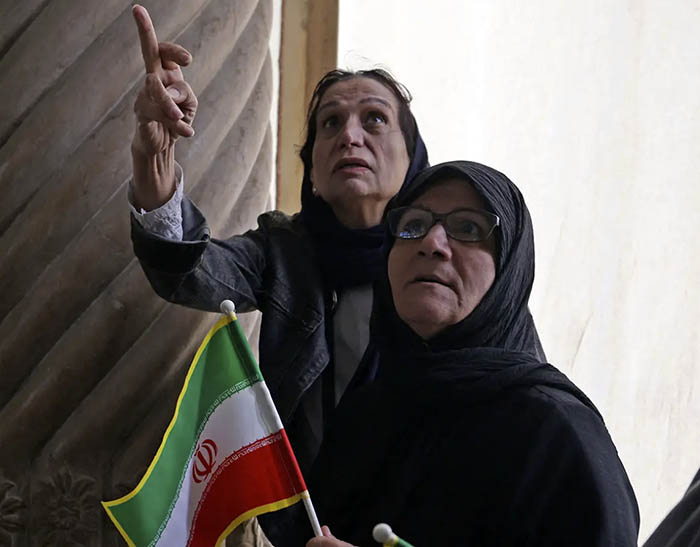
Damage to Golestan Palace Amid Iran–Israel–US Conflict: Cultural Heritage at Risk
Introduction The unfolding Iran–Israel–US conflict in 2026 has not only intensified geopolitical tensions in the Middle East but has also … Continue reading ➝
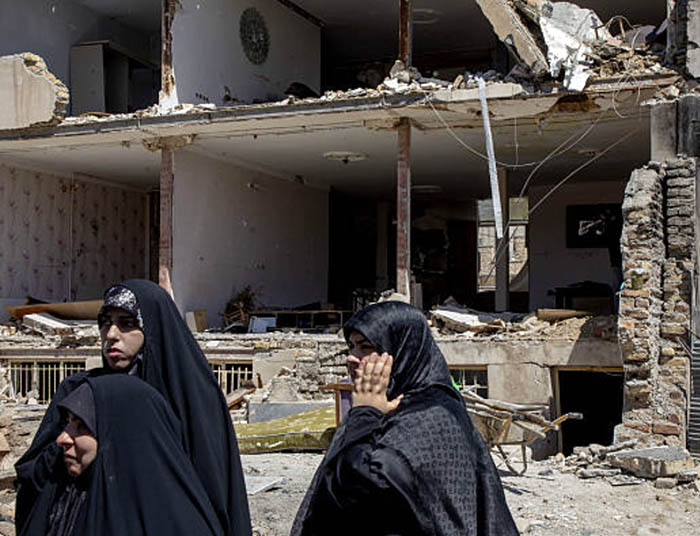
U.S.-Israeli Military Operations: Full Analysis of the 2026 Middle East Conflict
Introduction The escalating conflict involving United States, Israel, and Iran has rapidly evolved into one of the most dangerous geopolitical … Continue reading ➝
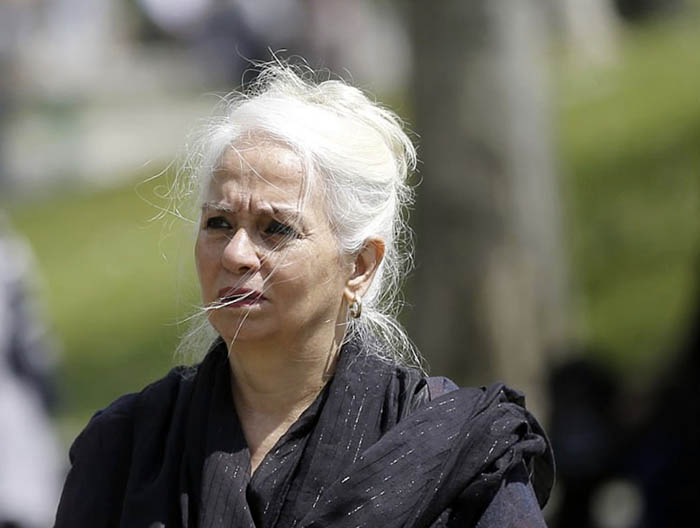
13 Bedar in Tehran: Celebrating Life on the Frontline of War
Introduction In the heart of Tehran, where headlines often speak of geopolitical tension, military escalation, and uncertainty, a different story … Continue reading ➝
A Mournful Face at Tangsiri’s Funeral: Grief, Power, and Tension in Tehran
Introduction The image of a mournful face at the funeral of Alireza Tangsiri has become one of the most haunting … Continue reading ➝