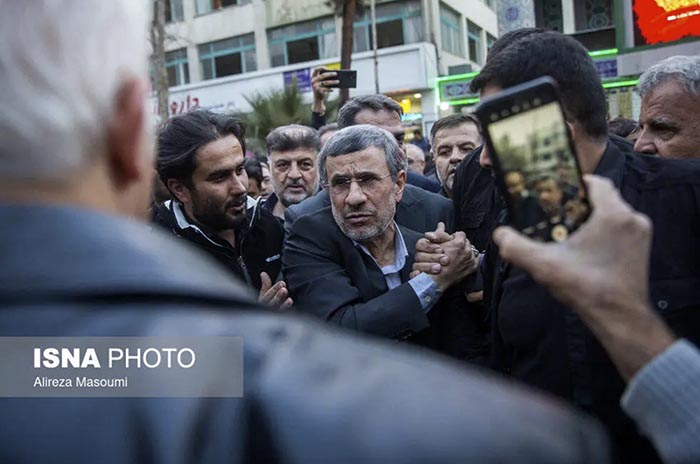
Memorial Ceremony of Zarrin Ahmadinejad: A Detailed Overview of the Funeral of Mahmoud Ahmadinejad’s Sister
The Role of Religious and Cultural Traditions in Iranian Funerals
Islamic Funeral Customs in Iran
In Iran, Islamic funeral rites are deeply rooted in religious teachings and cultural practices. The funeral of Zarrin Ahmadinejad exemplified these traditions, emphasizing the importance of faith, community, and respect for the departed.
Key elements of Iranian Islamic funerals include:
- Ghusl (Washing): The body is washed and shrouded in white cloth, symbolizing purity.
- Kafan (Shroud): The deceased is wrapped in a simple white shroud, reflecting humility.
- Salat al-Janazah (Funeral Prayer): A collective prayer performed to seek mercy from Allah.
- Dua and Recitations: Recitations of Quranic verses and supplications for the soul’s peace.
- Burial: The body is buried facing Qibla (the direction of Mecca), with a focus on simplicity and humility.
Significance of Mourning Rituals in Persian Culture
Beyond religious rites, Persian cultural traditions play a vital role in funerals. Mourning often includes poetry recitations, especially from classical Persian poets like Hafez and Rumi, expressing grief and hope for the afterlife.
Common mourning customs include:
- Reciting elegies (eulogies) to honor the deceased.
- Holding gatherings where family and community share stories and memories.
- Displaying symbolic items such as candles, flowers, and photographs.
Mourning Periods and Cultural Practices
In Iran, mourning periods can extend from three days to forty days or more, with specific rituals performed at each stage. The funeral of Zarrin Ahmadinejad was a central event in this mourning cycle, serving as an opportunity for collective grief and solidarity.
November 18, 2025 | 7:09 pmMore stories
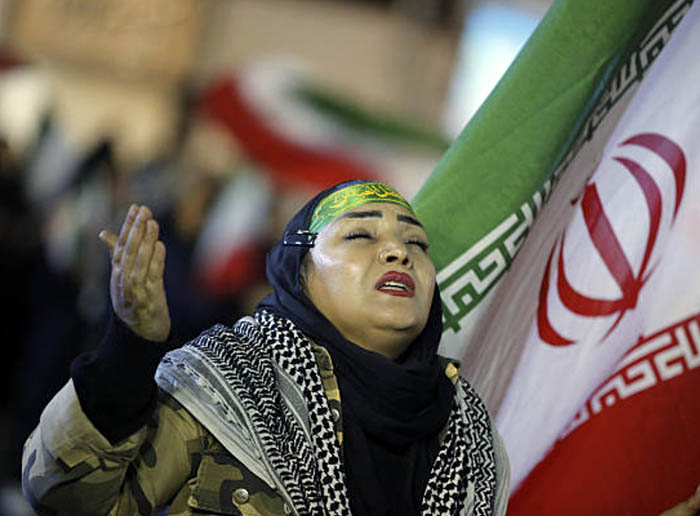
Israeli and U.S. Attacks on Spark Mass Protests in Tehran: Rising Middle East Tensions in 2026
Introduction In a dramatic escalation of tensions in the Middle East, mass protests erupted in Tehran following reports of coordinated … Continue reading ➝
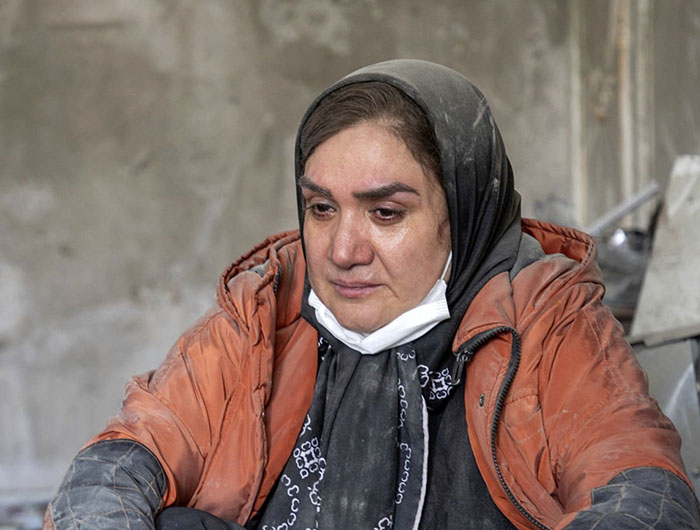
The Sorrow of Destruction in West Tehran: Inside the Human Cost of the War
Introduction The city of Tehran woke to devastation on March 30, 2026. In the western districts of Iran’s capital, residential … Continue reading ➝
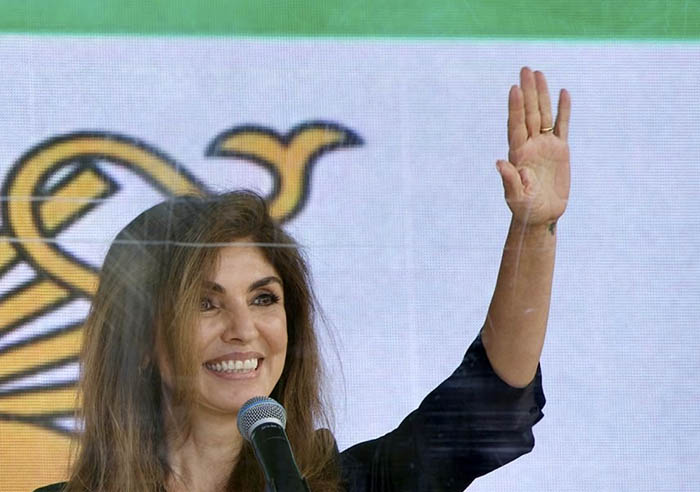
US–Israel–Iran War Demonstration in Washington, DC: Iranian Diaspora Rally for Freedom
Introduction On March 29, 2026, thousands gathered on the National Mall in Washington, DC near the iconic US Capitol to … Continue reading ➝
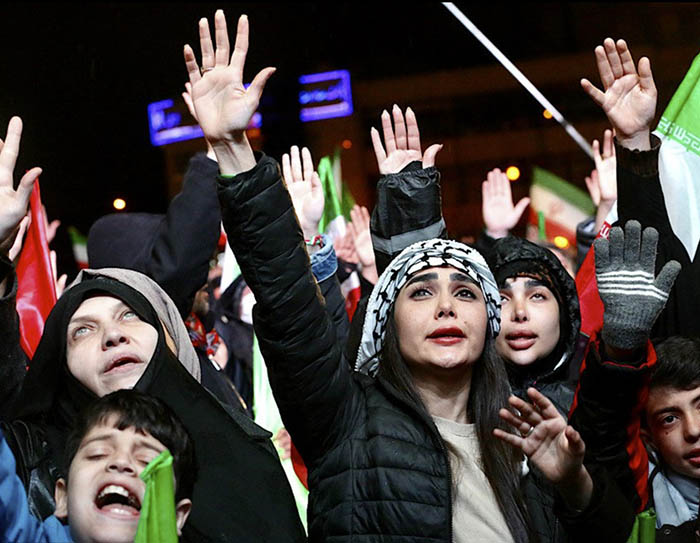
Night Gatherings in Tehran During Wartime in Vanak and the Transformation of Urban Space
Introduction Night gatherings in Tehran during wartime have become a significant aspect of urban life, particularly in central districts such … Continue reading ➝
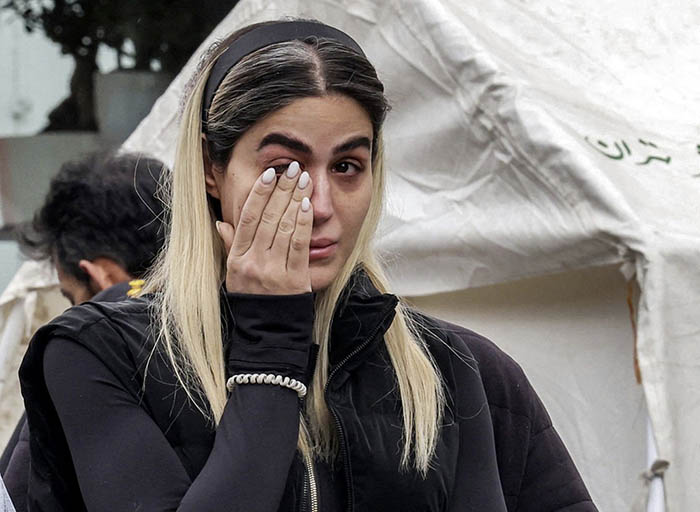
Missile Strike on Al-Arabi TV Office in Tehran Amid Escalating Iran–Israel Conflict
Introduction The rapidly escalating tensions in the Middle East reached a dramatic and alarming turning point as a missile strike … Continue reading ➝