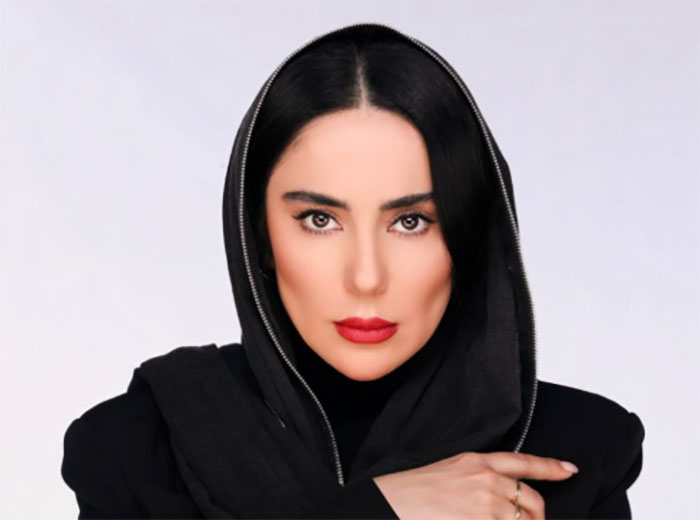
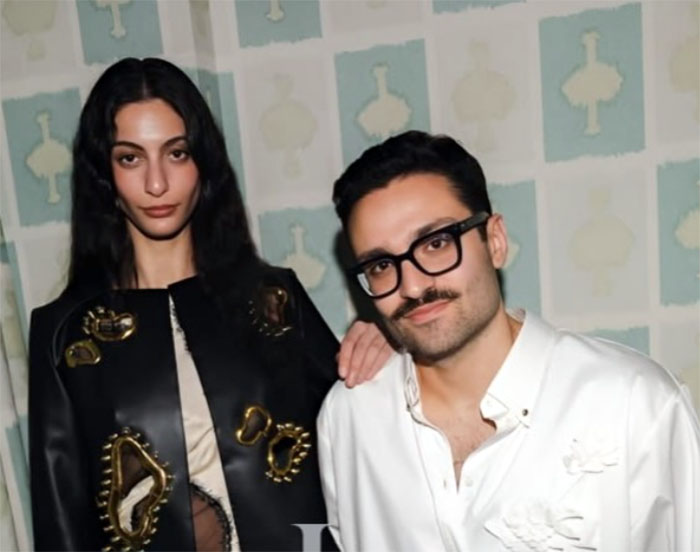
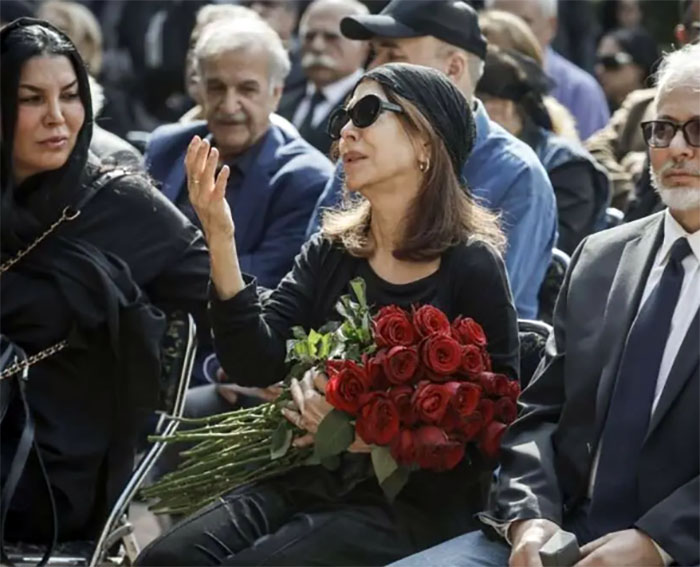
Mehdi Jahangiri Visits the Set of Deh Pahlevan: Everything About Hassan Fathi’s New Historical Series
Shida and the Future of Iranian Historical Drama
The association between Deh Pahlevan and Shida is another reason the series has attracted attention.
Iranian streaming services are competing for audiences who have become accustomed to international streaming productions. This has encouraged local producers to invest in stories with strong characters, recognizable directors, distinctive visual styles, and more ambitious production values.
Historical stories provide an important opportunity in this environment.
Iran possesses thousands of years of recorded history and an enormous archive of cultural narratives. From the Achaemenid and Sasanian periods to the Islamic centuries, the Seljuk era, the Safavid period, the Qajar period, and modern Iranian history, filmmakers have access to an unusually extensive range of historical material.
Deh Pahlevan is therefore part of a broader trend toward developing major Iranian historical stories for contemporary audiences.
The Importance of Production Design
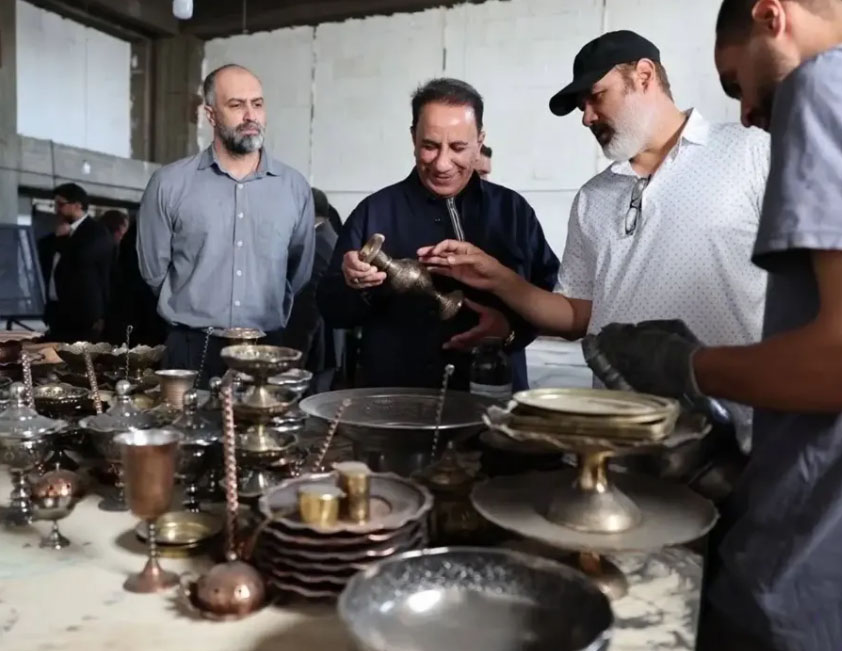
One of the most important elements of any historical series is production design.
For Deh Pahlevan, production design can help establish the Safavid world before a character even speaks.
A marketplace can communicate social and economic life.
A palace can communicate political power.
A traditional house can communicate family structure.
A military camp can communicate conflict.
A religious building can establish the spiritual and cultural environment of the period.
These environments need to work together.
Historical production design is therefore not simply decoration. It is part of the storytelling language.
Costume design is equally important.
The clothing worn by a royal figure should differ from that of a merchant, soldier, craftsman, religious figure, farmer, or ordinary citizen. Clothing can communicate status, profession, wealth, regional identity, and historical period.