Mehdi Jahangiri Visits the Set of Deh Pahlevan: Everything About Hassan Fathi’s New Historical Series
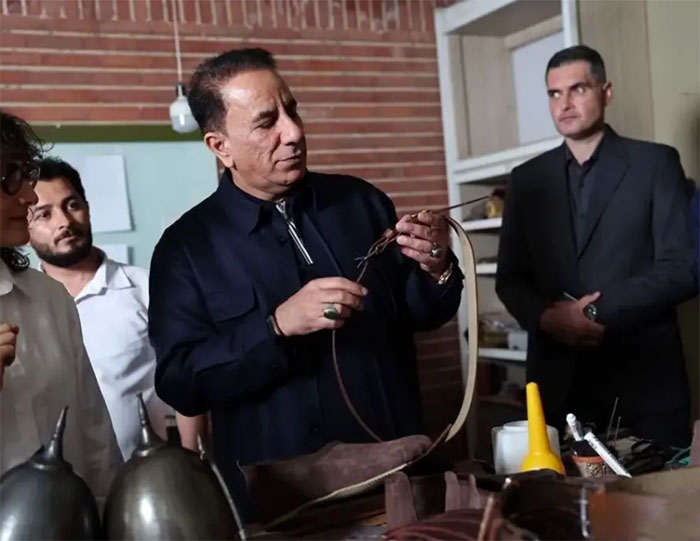
The Safavid Era as the Setting
The Safavid era provides one of the most visually and historically distinctive settings available to Iranian filmmakers.
The Safavid dynasty ruled Persia from the early sixteenth century until the eighteenth century. Its period of rule witnessed major transformations in Iranian political history and played a significant role in the development of Persian art and architecture.
Cities such as Isfahan became major centers of architecture, commerce, culture, and political power.
Safavid architecture remains one of the most recognizable periods of Persian architectural history.
Mosques, palaces, bazaars, bridges, gardens, public squares, and other structures from this period have become internationally recognized examples of Persian architectural heritage.
For filmmakers, this historical environment provides an extraordinary visual vocabulary.
The colors, architectural forms, textiles, weapons, manuscripts, ceramics, furniture, and clothing of the period can all contribute to the visual identity of a series.
This is particularly important for modern streaming audiences, who increasingly expect television productions to have a strong visual identity.
Why Historical Iranian Series Remain Popular
Historical dramas occupy an important position in Iranian television and streaming culture.
Series set in earlier historical periods allow viewers to explore stories that are geographically and culturally familiar while simultaneously presenting a world that feels distant from contemporary everyday life.
October 1, 2026 | 8:49 pm