Maryam Rajavi’s Speech at the FOFI Session in Brussels
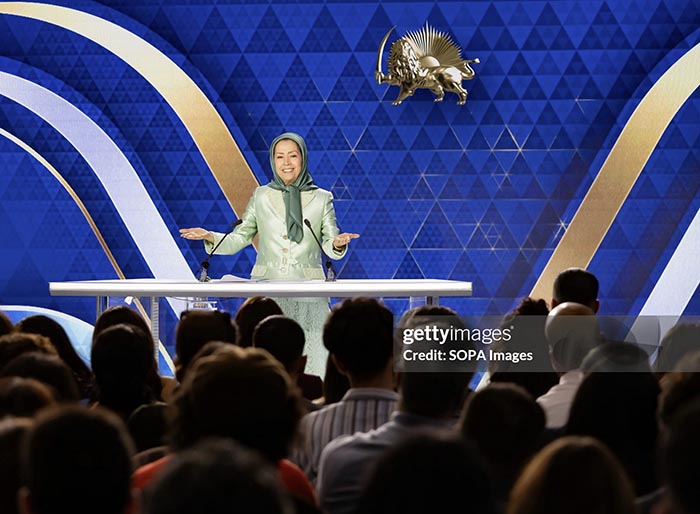
Deep Dive into Iran’s Political Landscape and the Role of Resistance Movements
The Evolution of Iran’s Opposition: From Shah to the Islamic Republic
Iran’s political opposition has undergone significant transformations over the past decades. During the Shah’s reign, opposition centered around secular, nationalist, and liberal groups advocating for democracy and reform. The 1979 Revolution initially unified diverse factions but soon devolved into theocratic rule under Ayatollah Khomeini.
Since then, opposition forces have faced brutal repression, exile, and fragmentation. The Islamic regime has systematically dismantled political dissent, imprisoning activists, and executing dissidents. However, resilient opposition groups like the NCRI and MEK have maintained their commitment to overthrowing the regime and establishing a democratic Iran.
The Role of Resistance Movements in Iran’s Future
Resistance movements like the NCRI and MEK serve as the primary organized opposition to the regime. Their strategic goal is to mobilize internal dissent, garner international support, and build a democratic alternative.
- The NCRI’s broad coalition: Comprising various political and social groups, the NCRI aims to represent the diverse aspirations of Iranians.
- The MEK’s militant history and current strategy: Once labeled a terrorist organization, the MEK has since been recognized by the EU and US as a legitimate resistance movement. Its military wing has played a role in exposing Iran’s nuclear activities and supporting resistance inside Iran.
The Political Significance of Recognizing the Opposition
International recognition of the NCRI and MEK is crucial in shifting Iran’s political balance. It legitimizes their leadership, attracts support, and helps coordinate efforts for regime change.
- Countering regime propaganda: Recognized opposition groups can effectively counter Tehran’s narratives domestically and internationally.
- Mobilizing global support: Recognition facilitates diplomatic engagement, sanctions, and support for resistance activities.
More stories
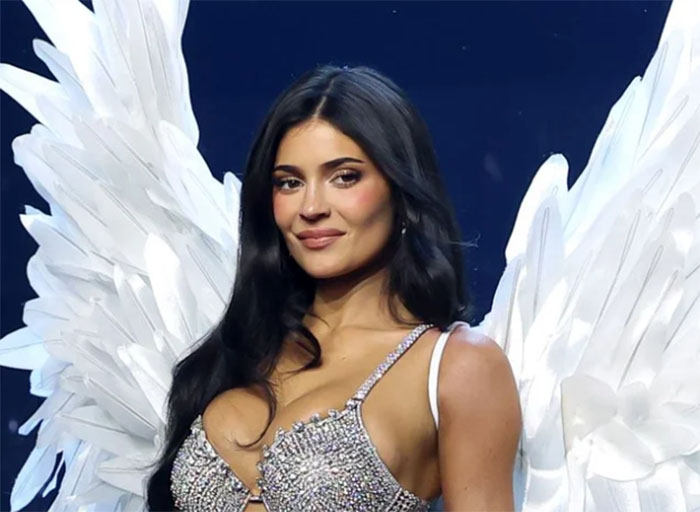
Kylie Jenner Makes Victoria’s Secret Fashion Show Debut in $50 Million Fantasy Bra
Introduction Babak Takhti is an Iranian writer, publisher and the only son of Gholamreza Takhti, the legendary Iranian freestyle wrestler … Continue reading ➝
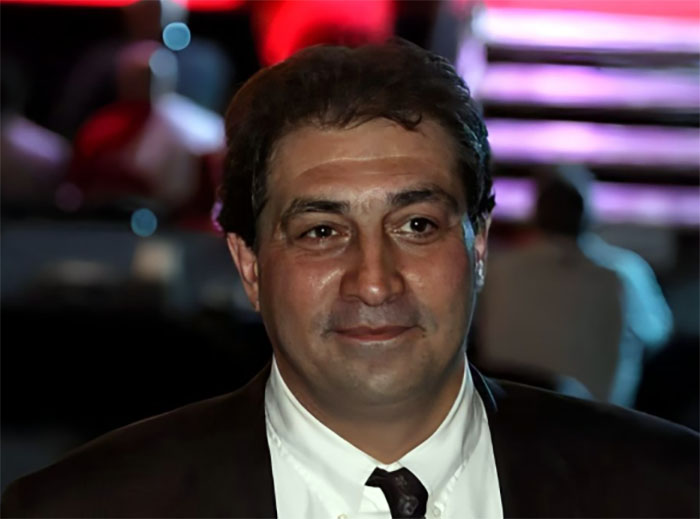
Who Is Babak Takhti? Gholamreza Takhti’s Only Son, His Family, Career, and His Father’s Controversial Death
Introduction Babak Takhti is an Iranian writer, publisher and the only son of Gholamreza Takhti, the legendary Iranian freestyle wrestler … Continue reading ➝
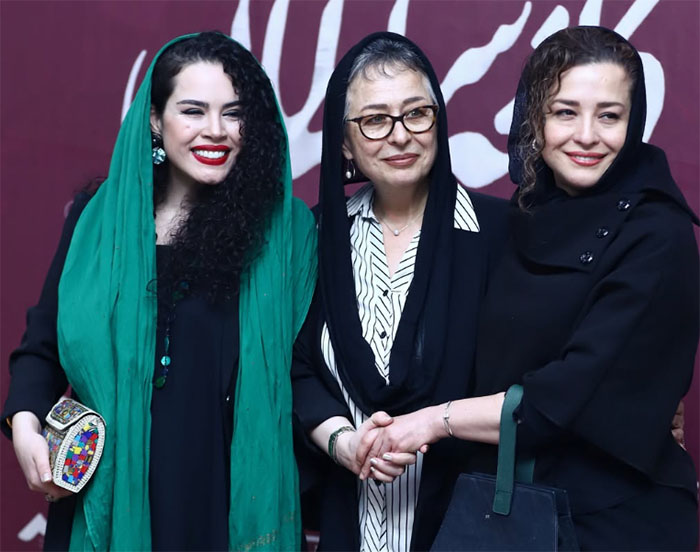
Azita Hajian, Mehraveh Sharifinia and Melika Sharifinia Attend Cafe Soltan Private Screening at Megamall Cinema
Introduction The private screening of Cafe Soltan, the Iranian feature film directed by Mostafa Razagh-Karimi and produced by Morteza Razagh-Karimi, … Continue reading ➝

Bot (Bet) Movie: Hamid Nematollah’s Drama Holds Private Screening at Galleria Cinema Complex
Introduction The Iranian social drama Bot, also transliterated as Bet and associated with the English title Idol, has attracted attention … Continue reading ➝
10 Fascinating Stories About Most Famous Actresses: Behind-the-Scenes Secrets From Iconic Films and TV Shows
Introduction 1. Gohar Kheirandish in Banoo: The Makeup That Could Not Hide Her Beauty Film: Banoo (The Lady) Director: Dariush … Continue reading ➝