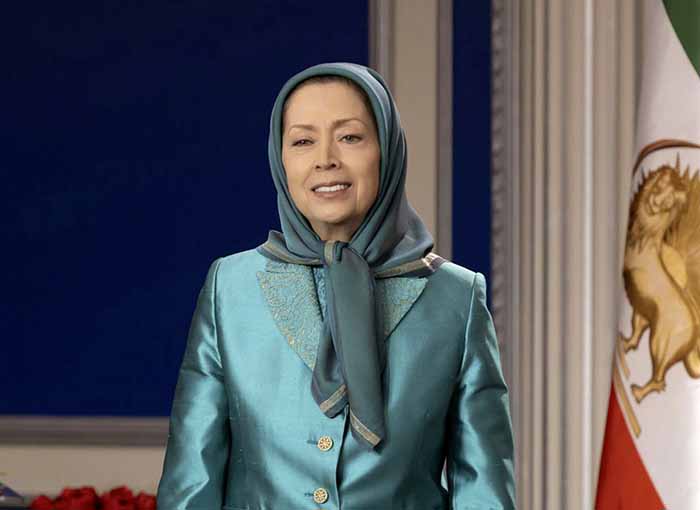
Maryam Rajavi: Unpopularity, Political Controversies, NCRI Leadership, and Life in Albania’s MEK Camp
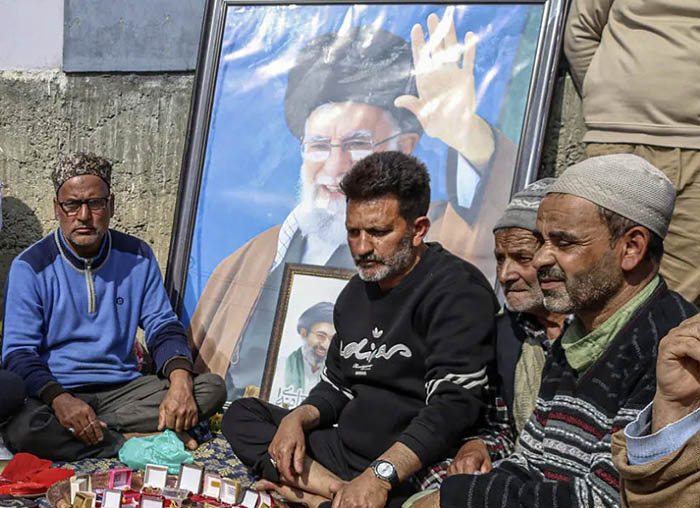
Claims of Unpopularity Among Iranians
One of the most widely discussed aspects of Maryam Rajavi and the MEK is their perceived lack of popularity inside Iran.
Reasons Often Cited
- Historical Associations
Critics frequently point to the group’s past, including its time in Iraq during the rule of Saddam Hussein. - Political Rivalriesanian government and other opposition groups.
- Limited Visibility Inside Iran
Due to restrictions and political conditions, measuring support within Iran is difficult. - Public Perception
Some analysts argue that the group’s image among Iranians has been shaped by decades of political conflict and propaganda from multiple sides. - Future Prospects and Strategic Challenges
Looking ahead, several challenges remain for Maryam Rajavi and the NCRI:
Internal Challenges
- Maintaining organizational unity
- Addressing criticism and defections
External Challenges
- Gaining broader recognition
- Competing with other opposition groups
- Navigating international politics
Long-Term Vision for Iran
Maryam Rajavi’s long-term vision includes:
- A secular republic
- Democratic elections
- Integration into the global community
Whether this vision can gain traction inside Iran remains uncertain.
Maryam Rajavi stands at the center of one of the most complex and polarizing movements in modern Middle Eastern politics.
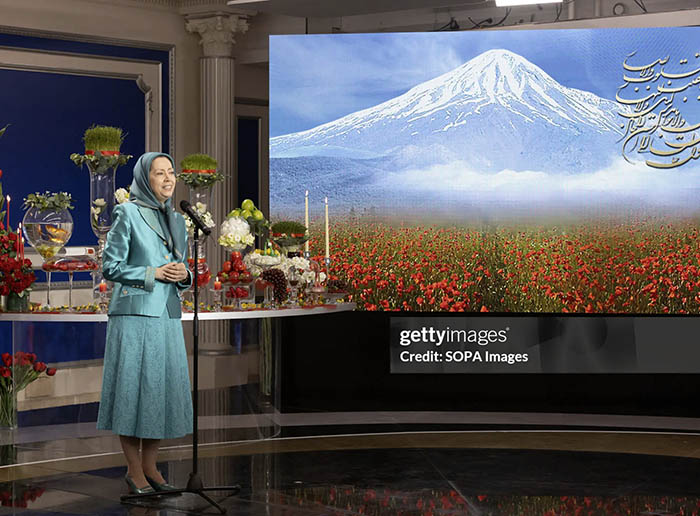
Her leadership of the National Council of Resistance of Iran, combined with the operational base in Albania and the Ashraf 3 camp, illustrates the transformation of the MEK from a revolutionary group into a transnational political organization.
At the same time, questions about unpopularity, legitimacy, and historical controversies continue to shape perceptions of her and her movement.