Marco Rubio: Personal Life, Identity, and the nightmare of the sons of the Islamic Republic in USA
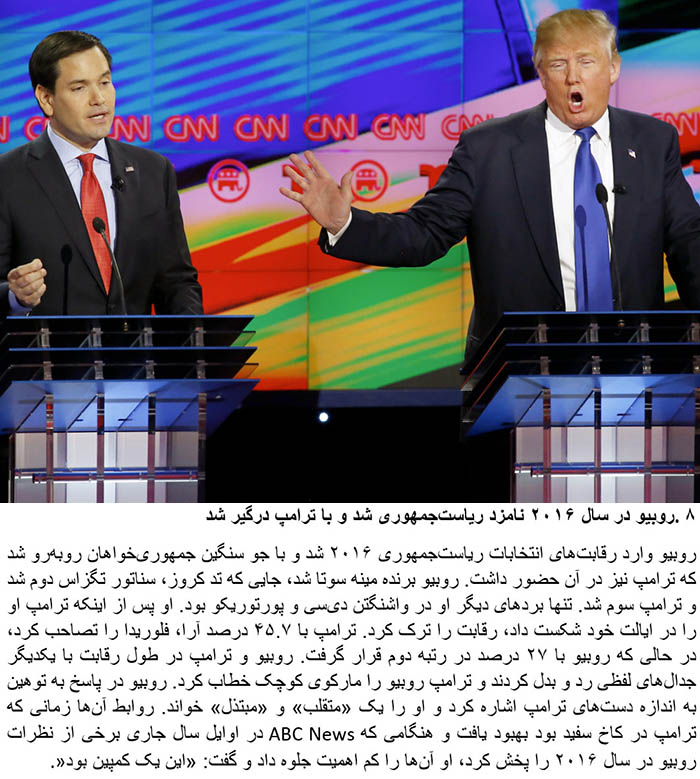
As Rubio’s responsibilities expanded on the global stage, the tension between his private identity and public role became even more pronounced. Holding positions such as Secretary of State and, at times, simultaneously serving as a national security figure placed Marco Rubio in a unique position of influence. Yet even in these high-pressure environments, observers often note that his rhetoric and decision-making remain deeply consistent with the themes that defined his earlier life. This consistency is not accidental; it reflects a worldview that has been shaped over decades rather than constructed for political convenience.
One of the defining characteristics of Rubio’s personal outlook is his belief in the fragility of freedom. Unlike individuals who inherit stability without question, Rubio grew up in a household where the idea of losing one’s country was not theoretical. The stories of displacement and adaptation that surrounded him as a child created a lasting impression: that political systems matter profoundly, and that they can change rapidly, often with irreversible consequences. This perspective helps explain why Rubio tends to approach international affairs with a sense of urgency and caution, particularly when dealing with governments he perceives as resistant to democratic norms.
At the same time, his personal life reflects a desire for stability and continuity. Despite the demands of public office, Rubio has consistently emphasized the importance of maintaining a grounded family environment. Friends and colleagues have often described him as someone who seeks to preserve routines and traditions, even when his professional responsibilities pull him in multiple directions. This effort to maintain balance suggests an awareness of the personal costs associated with political life, and a deliberate attempt to mitigate them.
April 11, 2026 | 4:28 pmMore stories
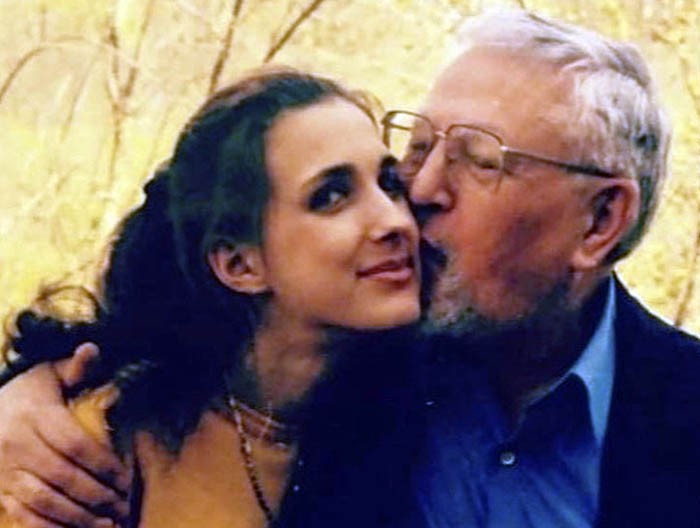
Children of Ebrahim Yazdi in the USA: Family, Legacy, and Influence
Introduction Ebrahim Yazdi was one of the most influential figures in modern Iranian political history. Known for his role as … Continue reading ➝
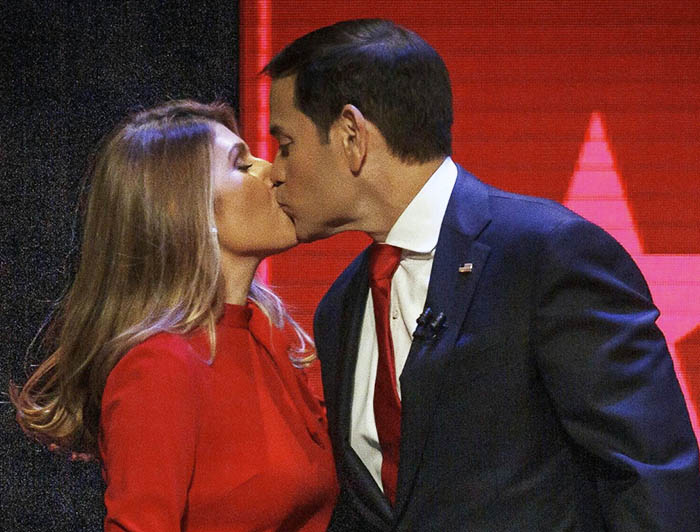
Marco Rubio: Personal Life, Identity, and the nightmare of the sons of the Islamic Republic in USA
Introduction Marco Rubio stands as one of the most influential American political figures of the 21st century, particularly in the … Continue reading ➝
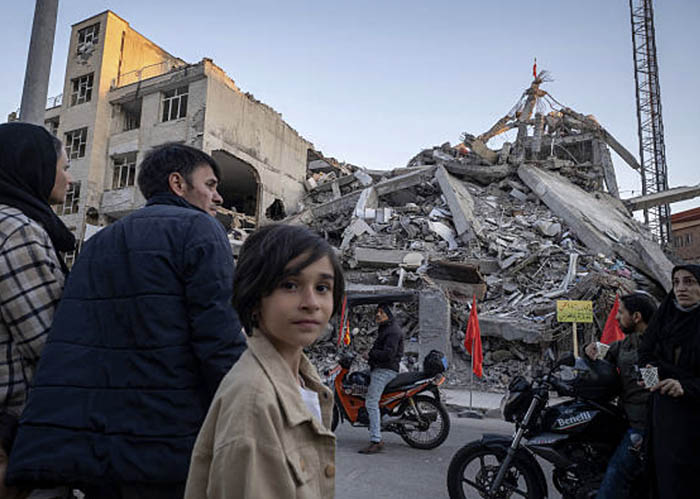
The Islamic Republic’s Instrumental Misuse of War Ruins: Propaganda
Introduction In the aftermath of the March 9 military strikes attributed to joint U.S.-Israeli operations, parts of residential Tehran were … Continue reading ➝
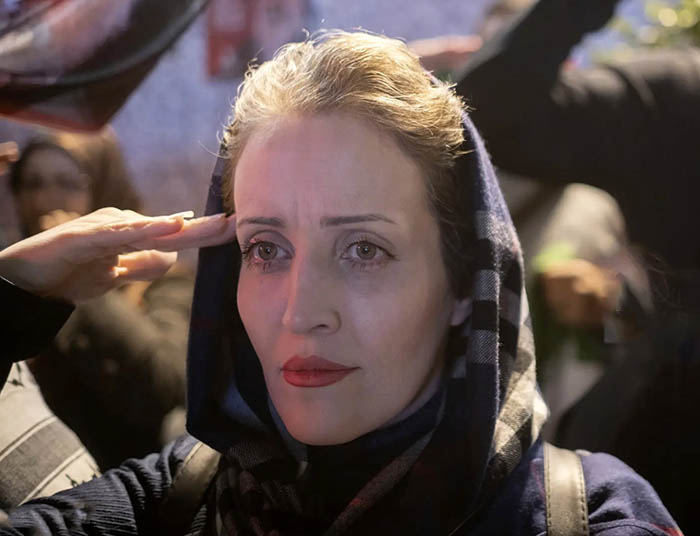
Iran Funeral Ceremony 2026: Rising Tensions After Killing of IRGC Intelligence Chief Majid Khademi
Introduction The funeral ceremony of Majid Khademi, the head of the Islamic Revolutionary Guard Corps (IRGC) Intelligence Organization, has become … Continue reading ➝
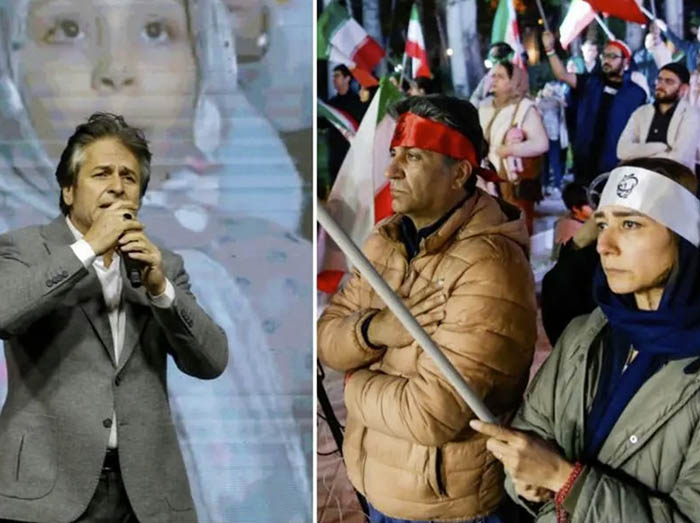
Tajik and Zanko Street Concert in Ferdows Garden: A Powerful Musical Tribute
Introduction On the evening of Tuesday, 18 Farvardin 1405, Ferdows Garden became the heart of an unforgettable cultural moment in … Continue reading ➝