Marco Rubio: Personal Life, Identity, and the nightmare of the sons of the Islamic Republic in USA
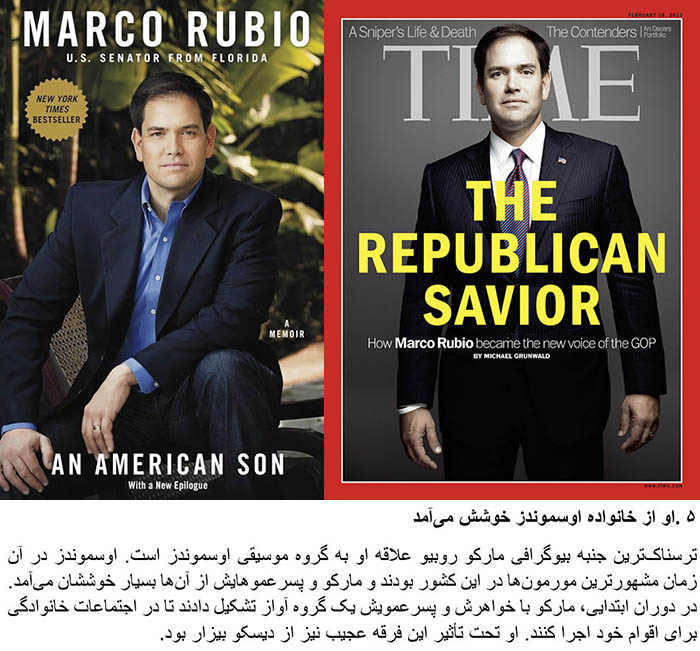
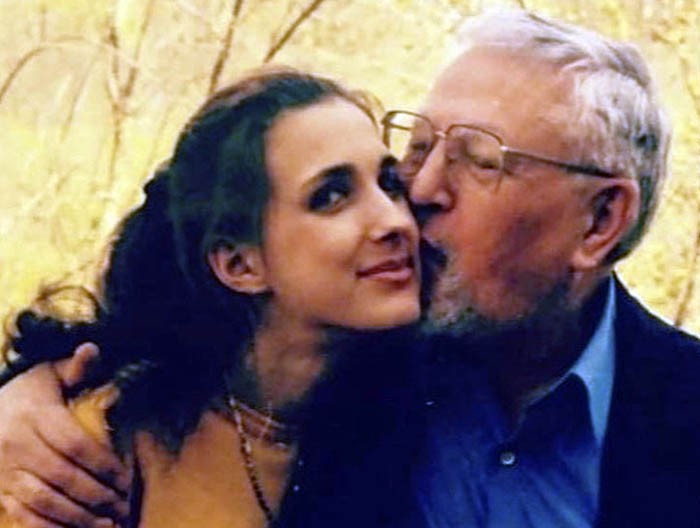
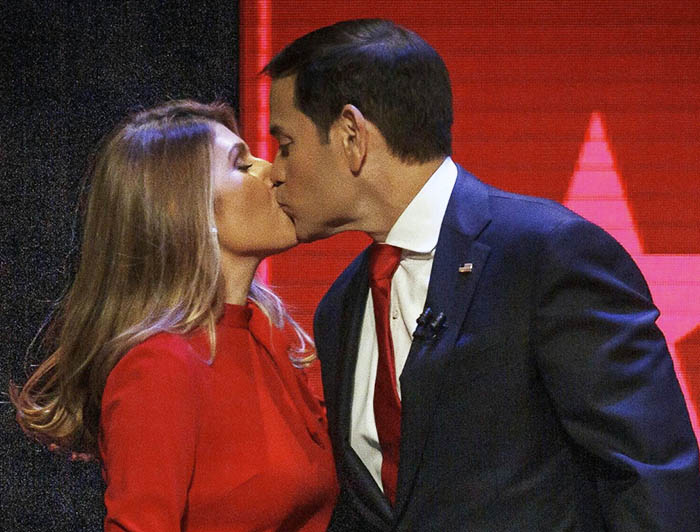
Marriage added another dimension to Rubio’s personal narrative. His relationship with Jeanette Dousdebes introduced a partnership rooted in shared cultural values and mutual support. Their life together, raising four children, reflects a commitment to family stability that Rubio frequently highlights in his public speeches. Despite the demands of political life, he has consistently portrayed his family as the center of his world, suggesting that his ambitions are tied not only to personal success but to the future he envisions for his children.

At the same time, Rubio’s personal life has not been without tension or scrutiny. Public figures often face intense examination, and Rubio is no exception. Questions about his family history and the way it has been presented illustrate the complex relationship between personal narrative and political identity. For many politicians, biography becomes a tool for connection with voters, but it also opens the door to criticism and reinterpretation. Rubio’s response to such scrutiny has generally been measured, emphasizing intention over precision and reinforcing the broader truth of his family’s immigrant experience.

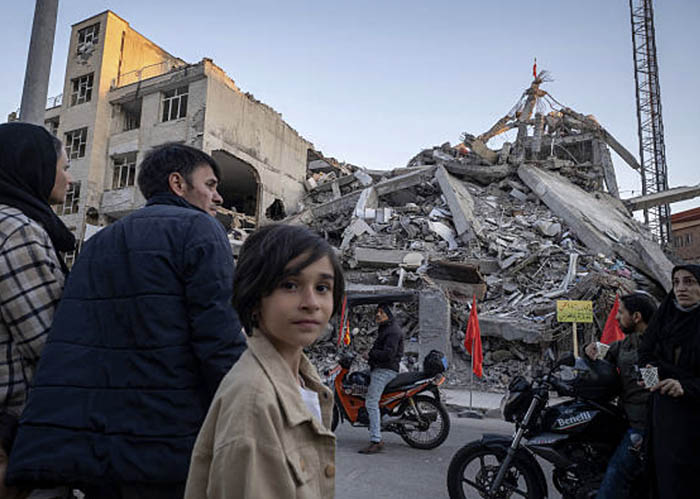
As his career progressed, the influence of his personal life became increasingly visible in his policy positions. Rubio’s approach to international relations, particularly his stance toward governments he perceives as authoritarian, reflects more than strategic calculation. It is rooted in a worldview shaped by family stories, cultural identity, and a belief in the value of democratic systems. His views on countries like Iran are often framed within this broader perspective, focusing on governance and political structures rather than individual populations.

Pages ( 5 of 9 ): « Previous1 ... 34 5 67 ... 9Next »
April 11, 2026 | 4:28 pm