Marco Rubio: Personal Life, Identity, and the nightmare of the sons of the Islamic Republic in USA
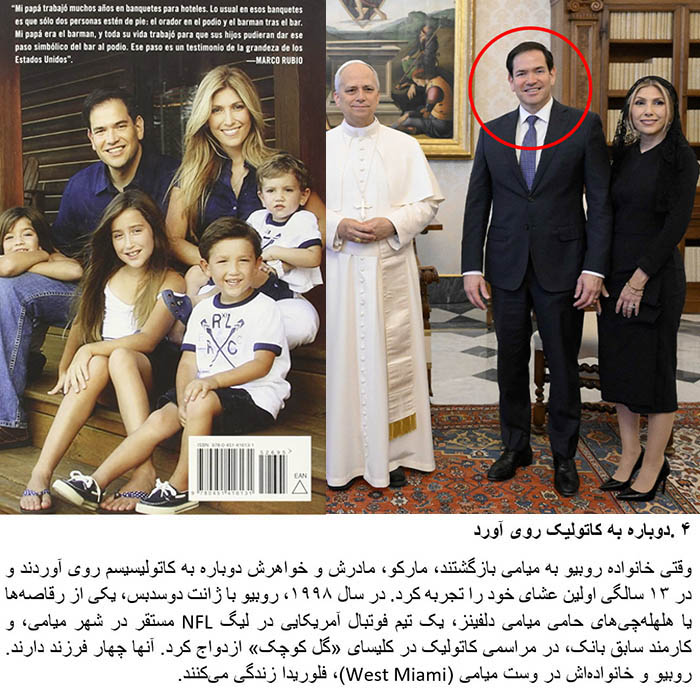
Religion became another cornerstone of Rubio’s personal life. His spiritual journey, which included time spent within the The Church of Jesus Christ of Latter-day Saints and later a return to Catholicism, reflects a search for meaning that went beyond politics. Faith, for Rubio, is not merely symbolic; it informs his views on morality, responsibility, and leadership. He has often spoken about the importance of faith in guiding decision-making, suggesting that his beliefs serve as a compass in both personal and professional contexts.
As Rubio moved into adulthood, his experiences began to crystallize into a clearer sense of purpose. His educational journey, which took him through the University of Florida and later the University of Miami, was marked by persistence rather than privilege. The financial burden he carried, including significant student loan debt, grounded him in the realities faced by many Americans. This period of his life is often overlooked, but it is crucial for understanding his later emphasis on economic opportunity and upward mobility.
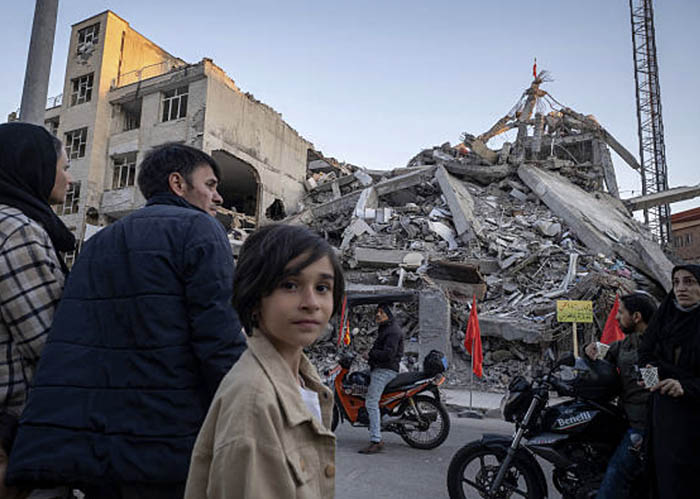
The political use of destruction is not unique to Iran, but the intensity and clarity of its application in this context reveal a deliberate and layered approach. The state did not rely solely on official statements or traditional propaganda channels. Instead, it leaned heavily on imagery. Images of damaged buildings, burned vehicles, and fractured streets carry an immediacy that written narratives often lack. When these images are combined with human presence, especially in the form of religious figures and families, they acquire emotional depth that is difficult to challenge or reinterpret.
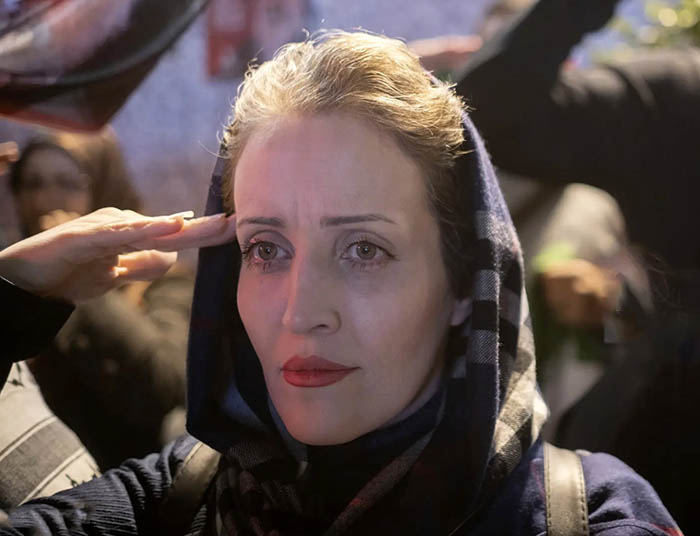
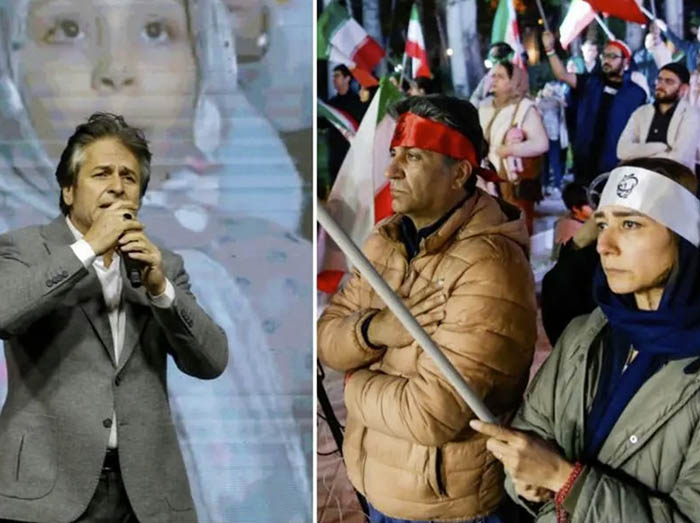
The presence of civilians in these spaces plays a crucial role in reinforcing the intended message. When families walk through damaged neighborhoods, they embody endurance. When children appear in the same environments, they introduce a sense of innocence and vulnerability. When national symbols are displayed among the ruins, the message becomes one of collective identity under threat. Each element contributes to a broader narrative that emphasizes victimhood while simultaneously asserting resilience.
Religious figures add another layer of meaning. Their presence transforms the ruins from purely physical sites into spaces of symbolic significance. Ceremonies held in front of destroyed buildings create a fusion between the material and the spiritual. The damage is no longer just structural. It becomes moral and existential. This shift allows the state to frame the aftermath of the strikes not only as an act of aggression but also as part of a larger struggle defined by values, identity, and purpose.
April 11, 2026 | 4:28 pm