Mahmoud Ahmadinejad’s Bold Return: Registering for Iran’s 14th Presidential Election
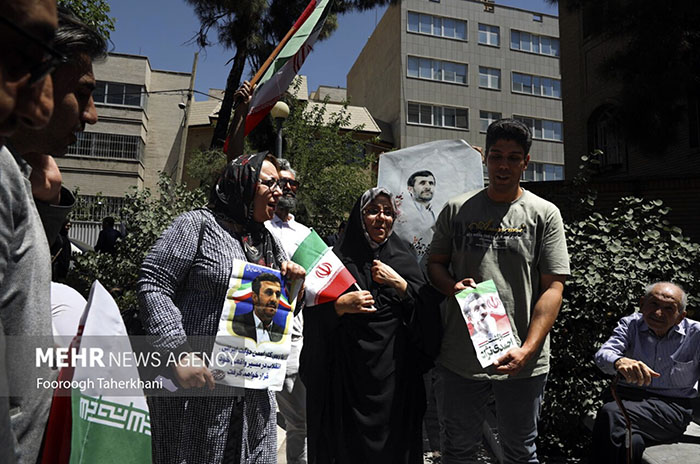
Ahmadinejad’s Strategies for the Future
To address the nation’s challenges, Mahmoud Ahmadinejad’s bold return focuses on several key strategies. First, he aims to implement comprehensive economic reforms to tackle poverty and reduce the class gap. Ahmadinejad plans to prioritize job creation, support for small businesses, and investment in infrastructure to stimulate economic growth.
In addition to economic reforms, Ahmadinejad emphasizes the importance of social justice. He advocates for equal opportunities in education and healthcare, aiming to create a more equitable society. His administration would also focus on anti-corruption measures to restore public trust in the government.
On the international front, Ahmadinejad’s bold return includes a vision for strengthening Iran’s position on the global stage. He seeks to pursue a foreign policy that fosters cooperation and mutual respect, aiming to improve relations with neighboring countries and the broader international community. Ahmadinejad also supports continuing Iran’s nuclear program within the framework of international agreements, emphasizing the peaceful use of nuclear energy.
New Challenge with Supreme Leader Khamenei
Despite Mahmoud Ahmadinejad’s bold return to the political scene, he faces a significant new challenge: his ongoing tensions with Supreme Leader Ayatollah Ali Khamenei. This relationship has been fraught with conflict since Ahmadinejad’s second term as president, particularly over the dismissal of intelligence minister Gholam-Hossein Mohseni-Eje’i and Ahmadinejad’s support for his close adviser, Esfandiar Rahim Mashaei.
Khamenei’s influence is a formidable force in Iranian politics, and his approval or disapproval can significantly impact any political figure’s career. Ahmadinejad’s past attempts to re-enter politics have been thwarted by the Guardian Council, which operates under Khamenei’s authority. This council rejected Ahmadinejad’s candidacy in both the 2017 and 2021 presidential elections, illustrating the ongoing power struggle between the former president and the Supreme Leader.
As Ahmadinejad registers for the 14th presidential election, he must navigate this complex relationship with Khamenei. Ahmadinejad’s bold return to politics will require strategic maneuvering to avoid direct confrontation while still promoting his vision for Iran. His ability to reconcile with or at least neutralize Khamenei’s opposition will be critical in determining his success.
June 2, 2024 | 10:48 amMore stories
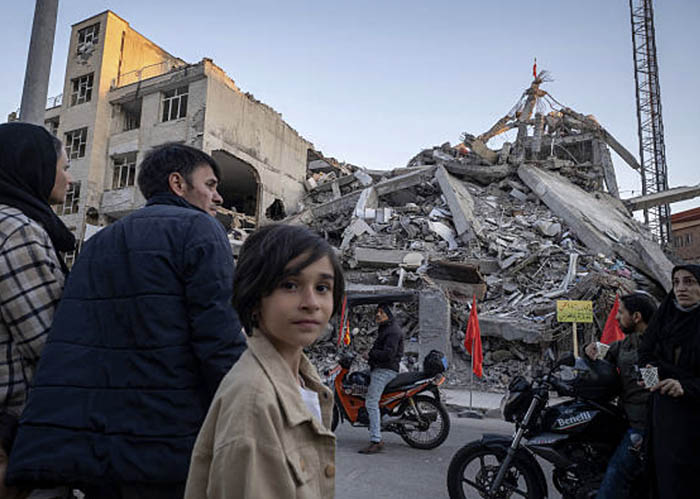
The Islamic Republic’s Instrumental Misuse of War Ruins: Propaganda
Introduction In the aftermath of the March 9 military strikes attributed to joint U.S.-Israeli operations, parts of residential Tehran were … Continue reading ➝
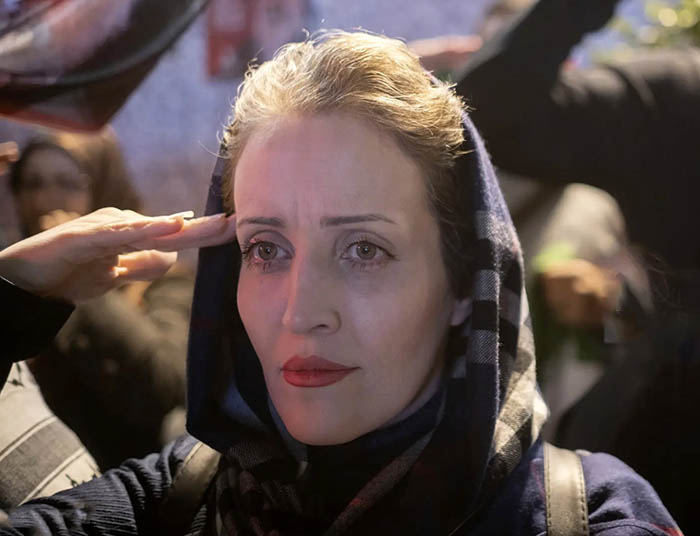
Iran Funeral Ceremony 2026: Rising Tensions After Killing of IRGC Intelligence Chief Majid Khademi
Introduction The funeral ceremony of Majid Khademi, the head of the Islamic Revolutionary Guard Corps (IRGC) Intelligence Organization, has become … Continue reading ➝
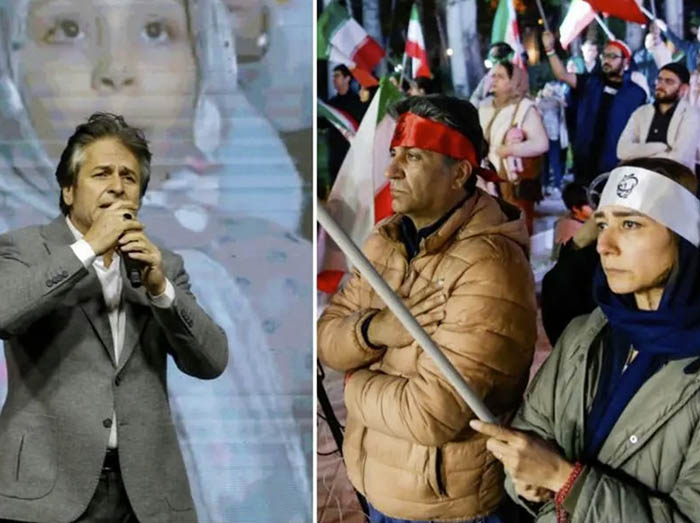
Tajik and Zanko Street Concert in Ferdows Garden: A Powerful Musical Tribute
Introduction On the evening of Tuesday, 18 Farvardin 1405, Ferdows Garden became the heart of an unforgettable cultural moment in … Continue reading ➝
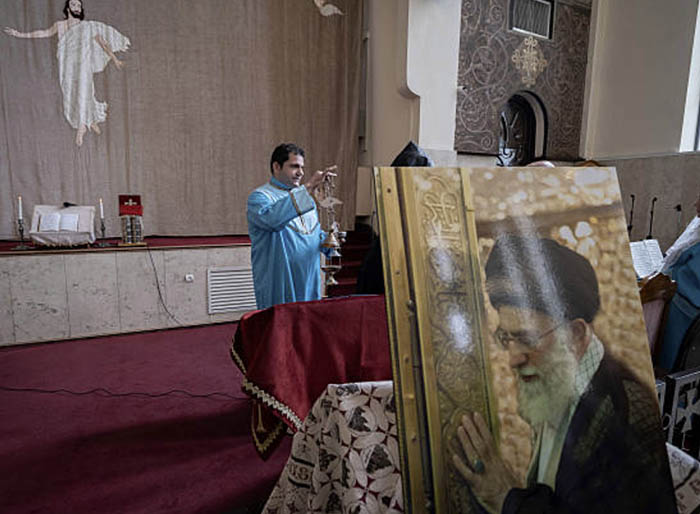
Prayer Ceremony for Late Supreme Leader Ali Khamenei, The bloodthirsty dictator Amid Ceasefire Tensions
Introduction The death of Ali Khamenei on April 8, 2026, has sent shockwaves across Iran and the wider Middle East, … Continue reading ➝
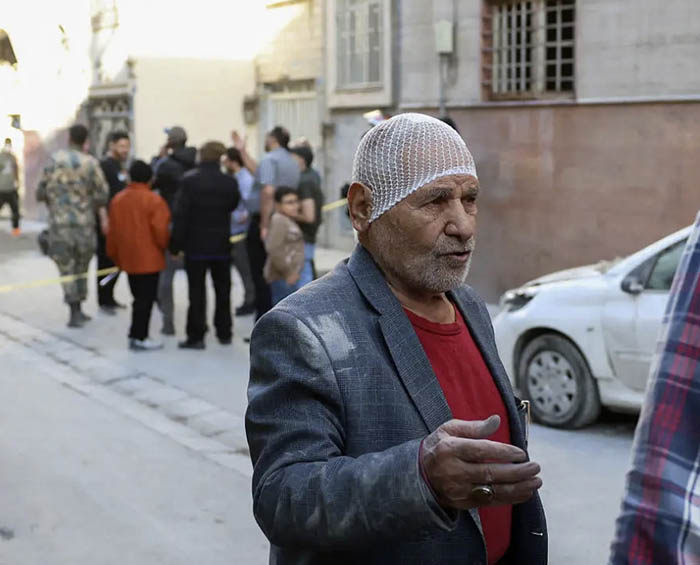
Israeli-American Strikes in Tehran 2026: Synagogue Destroyed Amid Escalating War
Introduction The ongoing conflict between Iran, Israel, and the United States has reached a devastating new chapter. On April 7, … Continue reading ➝