Iran-US-Israel Conflict Escalation 2025: US Strikes Iranian Nuclear Sites & Global Protest Movements
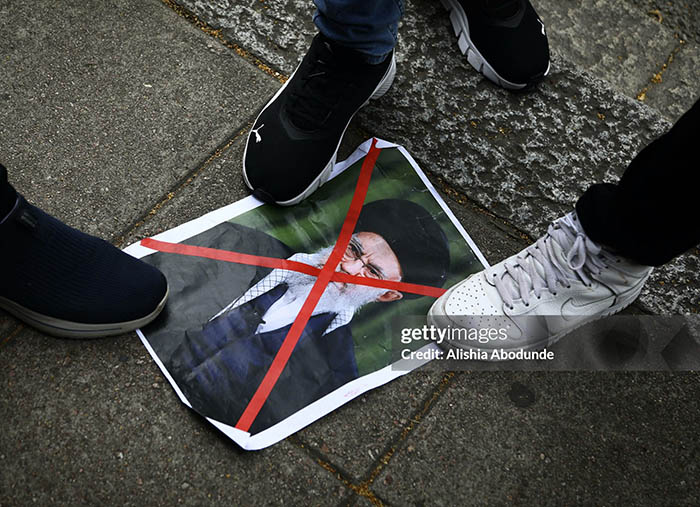
6. Internal Power Dynamics and Leadership Succession in Iran
The Role of the Supreme Leader and Potential Succession Paths
Iran’s political structure is anchored by the Supreme Leader, who commands ideological, military, and political authority. As of 2025, Ayatollah Ali Khamenei’s health remains a source of concern, with rumors of age-related decline and potential succession crises.
- Current Influence:
Khamenei’s grip over Iran’s military, judiciary, and intelligence agencies ensures continuity of hardline policies. His backing is crucial for the Revolutionary Guards’ dominance over Iran’s strategic sectors. - Succession Challenges:
Iran lacks a formal, transparent process for leadership transition. Succession is typically determined within the clerical hierarchy, often by consensus among senior ayatollahs, but political rivalries can complicate this. - Potential Candidates:
The immediate successors could be senior clerics within the Assembly of Experts, a body tasked with selecting the next Supreme Leader. Candidates may include:- Ebrahim Raisi:
The current President (as of 2025), known for his conservative stance, close ties to the IRGC, and hardline policies. - Ayatollahs with military backgrounds:
Such figures could prioritize regional security and military sovereignty. - Reformist-leaning clerics:
Though less likely in the current climate, they could emerge if internal pressures favor moderation.
- Ebrahim Raisi:
Military and Revolutionary Guard’s Role in Leadership
The IRGC has evolved into a formidable political and economic power within Iran, controlling sectors from energy to construction.
- Power Base:
The IRGC’s influence extends beyond military affairs into Iran’s economy and foreign policy, especially in proxy conflicts. - Future Impact:
In a leadership transition, the IRGC’s role may strengthen, possibly leading to an even more militarized government, or conversely, internal factions within the Guard may vie for influence if economic hardships worsen.
The Role of the Judiciary and Religious Institutions
Iran’s judiciary, heavily influenced by conservative clerics, often aligns with the IRGC’s interests, shaping policies on dissent, reform, and foreign engagement.
- Reform prospects:
If economic or social unrest intensifies, factions within these institutions might push for reforms or, alternatively, tighten control.
More stories
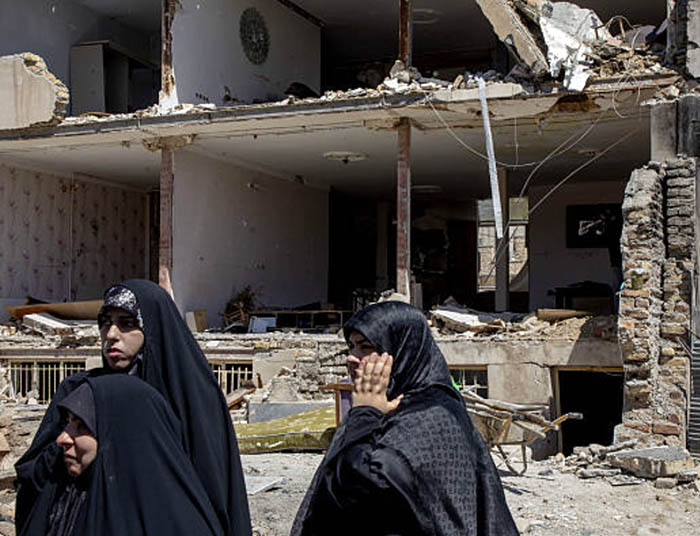
U.S.-Israeli Military Operations: Full Analysis of the 2026 Middle East Conflict
Introduction The escalating conflict involving United States, Israel, and Iran has rapidly evolved into one of the most dangerous geopolitical … Continue reading ➝
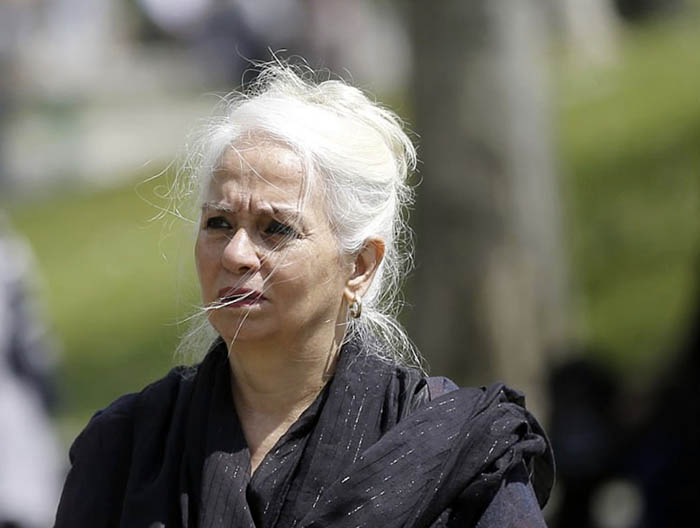
13 Bedar in Tehran: Celebrating Life on the Frontline of War
Introduction In the heart of Tehran, where headlines often speak of geopolitical tension, military escalation, and uncertainty, a different story … Continue reading ➝
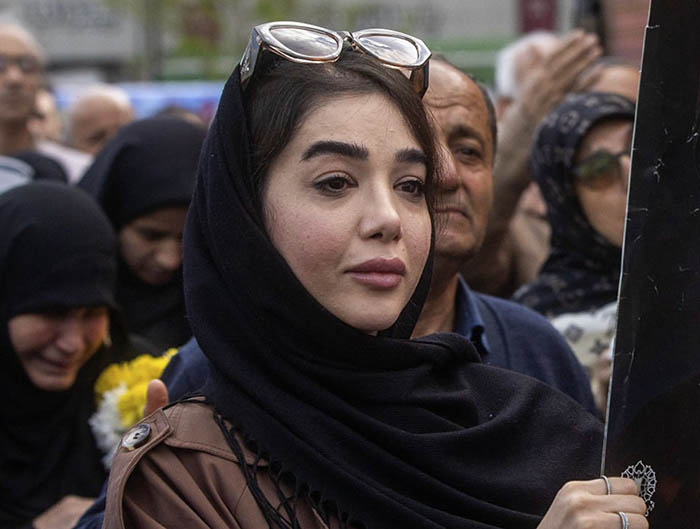
A Mournful Face at Tangsiri’s Funeral: Grief, Power, and Tension in Tehran
Introduction The image of a mournful face at the funeral of Alireza Tangsiri has become one of the most haunting … Continue reading ➝
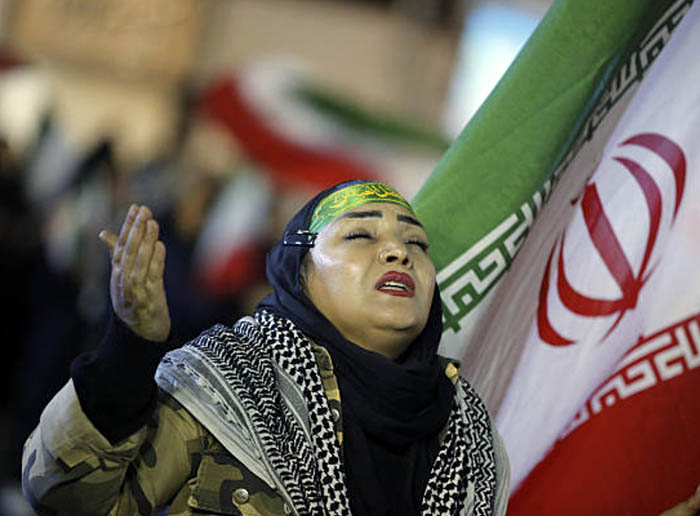
Israeli and U.S. Attacks on Spark Mass Protests in Tehran: Rising Middle East Tensions in 2026
Introduction In a dramatic escalation of tensions in the Middle East, mass protests erupted in Tehran following reports of coordinated … Continue reading ➝
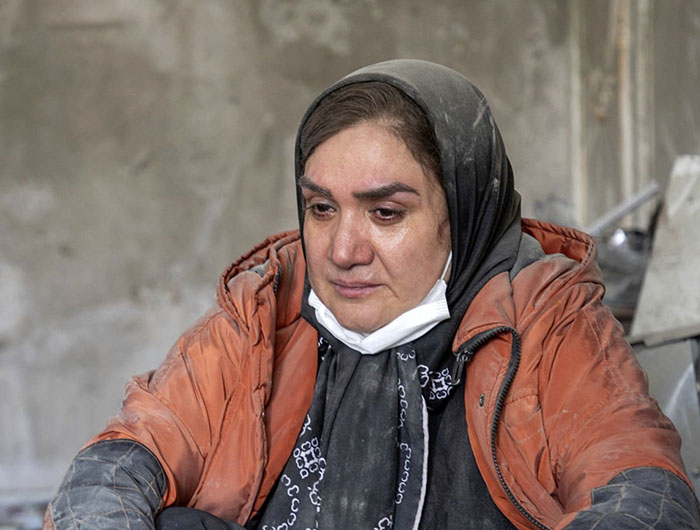
The Sorrow of Destruction in West Tehran: Inside the Human Cost of the War
Introduction The city of Tehran woke to devastation on March 30, 2026. In the western districts of Iran’s capital, residential … Continue reading ➝