Iran-Israel War and Its Impact on People: A Comprehensive Analysis

Introduction

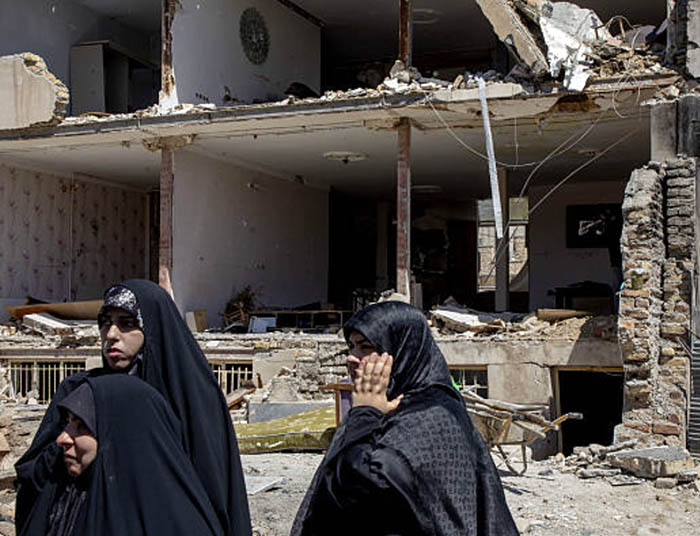
The ongoing Iran-Israel conflict has been a defining feature of Middle Eastern geopolitics for decades. It involves deep-rooted political, religious, and ideological differences that have led to periods of intense hostility, military skirmishes, and diplomatic crises. As tensions escalate in 2025, concerns about a potential full-scale war grow, with devastating consequences for civilians on both sides. This article explores the history of Iran-Israel relations, recent developments, the human toll of the conflict, regional implications, and the prospects for peace.

1. Historical Background of Iran-Israel Relations

Early Relations and Divergence

The relationship between Iran and Israel has historically been complex. Before the 1979 Iranian Revolution, Iran maintained relatively friendly relations with Israel, engaging in trade and diplomatic exchanges. However, the revolution transformed Iran from a pro-Western monarchy into an Islamic republic with a staunch anti-Israel stance.

The Islamic Republic’s Ideology

Post-1979, Iran’s leadership adopted an anti-Israel rhetoric, viewing Israel as an illegitimate entity occupying Palestinian land. Iran’s support for Palestinian militant groups like Hamas and Islamic Jihad became a cornerstone of its foreign policy, fueling regional tensions.

Iran’s Nuclear Ambitions

Iran’s nuclear program, initiated in the late 20th century, became a central concern for Israel, which perceives Iran’s potential nuclear capability as an existential threat. Israel’s fierce opposition to Iran’s nuclear ambitions led to covert operations, cyber-attacks, and diplomatic efforts to curb Iran’s nuclear development.

Pages ( 1 of 10 ): 1 23 ... 10Next »
August 17, 2025 | 11:38 am